Understanding IVF: A Step-by-Step Guide
Dec. 13, 2025, 6:35 a.m.
A Quick Overview of IVF
In vitro fertilization, or IVF, gives hope to millions facing infertility. This process helps create life outside the body by combining eggs and sperm in a lab. From preparation to holding your baby, IVF transforms dreams into reality. Discover the steps, insights, and support you need in Understanding IVF: A Step-by-Step Guide - https://www.asrm.org/topics/ivf.
Imagine sitting in a quiet doctor's office, heart racing with a mix of fear and excitement. That's where my IVF journey began. After two years of trying to conceive naturally, my husband and I turned to fertility specialists. Infertility can feel isolating, but sharing stories like mine reminds us we're not alone.
What Is IVF and Why Does It Matter?
IVF stands for in vitro fertilization. Doctors take eggs from your ovaries, mix them with sperm in a lab, and place the resulting embryos back into your uterus. It's a game-changer for infertility caused by blocked tubes, low sperm count, or age-related issues.
Many couples choose IVF after other treatments fail. According to the American Society for Reproductive Medicine (ASRM), about 1 in 8 couples face infertility. IVF offers a path forward, with success rates up to 50% for women under 35.
Personal note: My diagnosis? Endometriosis. It twisted my insides and dashed our natural hopes. But IVF felt like reclaiming control. If you're reading this amid your own struggles, know that small steps lead to big miracles.

Step 1: Getting Ready for Your IVF Cycle
Your journey starts with preparation. Your doctor reviews your medical history, runs blood tests, and does an ultrasound. They check hormone levels and screen for infections.
You'll discuss medications, lifestyle tweaks, and emotional support. Quit smoking, eat balanced meals, and manage stress—these boost your odds.
Pro tip: Build a support team early. Join online forums or therapy groups. I leaned on friends who had walked this road; their tips eased my nerves.
This phase lasts 1-2 months. It's your chance to ask questions. What if costs worry you? Many clinics offer financing. ASRM estimates an IVF cycle at $12,000-$15,000, but insurance covers parts for some.
Step 2: Ovarian Stimulation – Waking Up Your Eggs
Now comes the fun part: shots! For 8-14 days, you inject hormones to grow multiple eggs. Follicle-stimulating hormone (FSH) does the heavy lifting.
Doctors monitor progress with ultrasounds and blood draws. They track follicle size and hormone levels, including estradiol.
How Estradiol Affects Fertility Preservation
Estradiol, or E2, is key here. It signals how your ovaries respond. In IVF and fertility preservation (like egg freezing), ideal E2 levels (around 200-400 pg/mL per mature follicle) show healthy growth. Too low? Your body might need more meds. Too high? It risks ovarian hyperstimulation syndrome (OHSS).
Research from Cleveland Clinic notes balanced E2 improves implantation chances. For fertility preservation, high E2 confirms eggs are ready to freeze, safeguarding future options amid cancer treatments or delayed family plans.
I remember my first ultrasound—seeing those tiny follicles felt magical. But the daily pokes? They built resilience. Track your levels; they guide adjustments.
| Common Stimulation Meds | What They Do |
|---|---|
| FSH (Gonal-F) | Grows eggs |
| hMG (Menopur) | Boosts egg quality |
| GnRH agonists | Prevents early ovulation |
When follicles hit 18-20mm, you get a trigger shot (hCG) to mature eggs. Rest up—this preps for retrieval.

Step 3: Egg Retrieval – Harvesting Hope
Day 36-ish: Retrieval day. Under light sedation, a doctor uses ultrasound to guide a needle through your vagina to the ovaries. They aspirate fluid containing eggs—usually 10-15.
It takes 20-30 minutes. Mild cramping follows, but most head home same-day. Your partner provides sperm that day (or uses frozen).
Fun fact: Eggs are like hidden treasures. My retrieval yielded 12—plenty for options.
Risks? Rare, like infection (1%). Success hinges on egg quality, not just quantity.
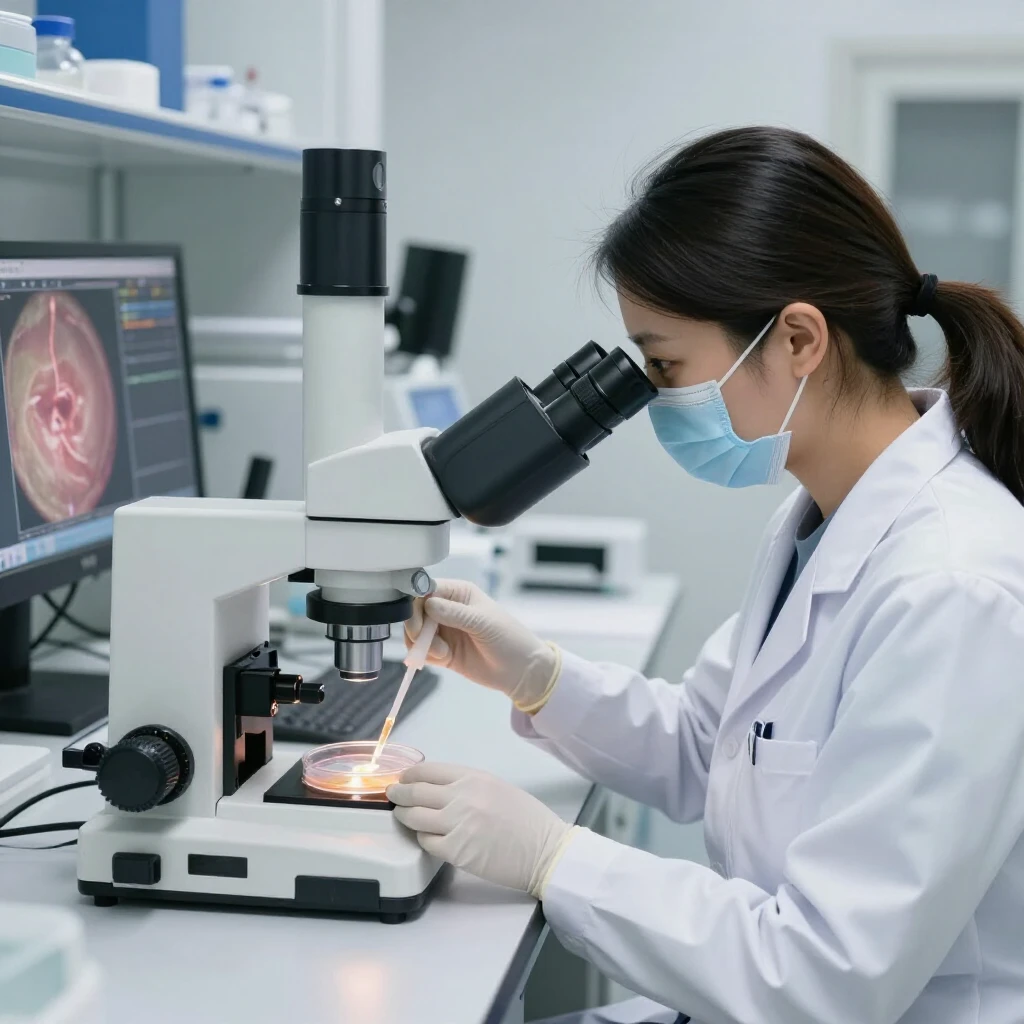
Step 4: Fertilization in the Lab – Creating Life
Lab magic happens next. Eggs meet sperm via: - Standard IVF: Mix in a dish. - ICSI: Inject sperm directly (great for male infertility).
Embryos grow 3-5 days. Genetic testing (PGT) screens for issues if needed.
I opted for ICSI due to sperm motility. Watching day-5 blastocysts via photos? Heart-melting.
- Day 1: Fertilization check (pronuclei).
- Day 3: Cleavage stage.
- Day 5: Blastocyst (best for transfer).
Step 5: Embryo Transfer and The Two-Week Wait
Select the healthiest embryo(s). A thin catheter places it in your uterus—no anesthesia needed. It's quick, like a Pap smear.
Extra embryos? Freeze them for fertility preservation. This saves future cycles.
Then, the wait: 10-14 days for a pregnancy test. Beta hCG bloodwork confirms.
My transfer felt surreal—whispering to that tiny life inside. Bed rest? Skip it; light walks help.
Success rates vary: | Age Group | Live Birth Rate per Cycle | |-----------|---------------------------| | Under 35 | 40-50% | | 35-37 | 30-40% | | 38-40 | 20-30% | | Over 40 | 10-20% | (Source: SART data)
Fertility Preservation: Securing Your Future
Not ready for babies now? IVF tech shines in egg or embryo freezing. Cancer patients or career-focused folks preserve fertility pre-treatment.
Estradiol monitoring ensures optimal timing. Studies show frozen transfers match fresh success rates.
Sarah's story: Diagnosed with PCOS, she froze eggs at 32. Years later, IVF brought twins. 'It gave me time,' she says.
Costs for freezing: $5,000-$10,000 upfront, plus storage. Worth it for peace of mind.
Real Talk: Risks, Emotions, and Wins
IVF isn't easy. OHSS swells ovaries (manageable with rest). Multiples risk preterm birth. Emotionally? Rollercoaster.
From RESOLVE.org stories: One mom battled miscarriage grief, then celebrated her rainbow baby. Actionable tip: Journal feelings; it heals.
Wins outweigh woes. Globally, 8 million IVF babies since 1978.
Nurse Malinda's tale: PCOS led to IVF, birthing her son. 'Science plus heart equals family,' she shares.
Wrapping Up Your IVF Adventure
IVF demands courage but delivers joy. From stim shots to sticky notes on tests, each step builds your story. Remember: Infertility doesn't define you; your resilience does.
Consult pros, stay informed via ASRM, and celebrate progress. Your family awaits.