The Science of Fertility Preservation Explained
Dec. 14, 2025, 6:41 a.m.
Overview
Fertility preservation offers hope to those facing potential loss of reproductive ability due to medical treatments, age, or other factors. This guide breaks down the science, from egg freezing basics to cutting-edge tech, while addressing emotional challenges. Whether you're planning ahead or seeking support, you'll find clear, empowering information here.
What Is Fertility Preservation?
Imagine safeguarding your future family dreams before life's curveballs hit. That's fertility preservation in a nutshell. It involves saving eggs, sperm, embryos, or even ovarian tissue so you can use them later to build a family.
Doctors recommend it for people undergoing cancer treatments, those with genetic conditions, or anyone delaying parenthood. The goal? To keep your biological options open without rushing into decisions.
For many, this starts with a simple chat with a specialist. They assess your health and timeline. No two paths look the same, but the science remains grounded in protecting what makes us human—our ability to create life.
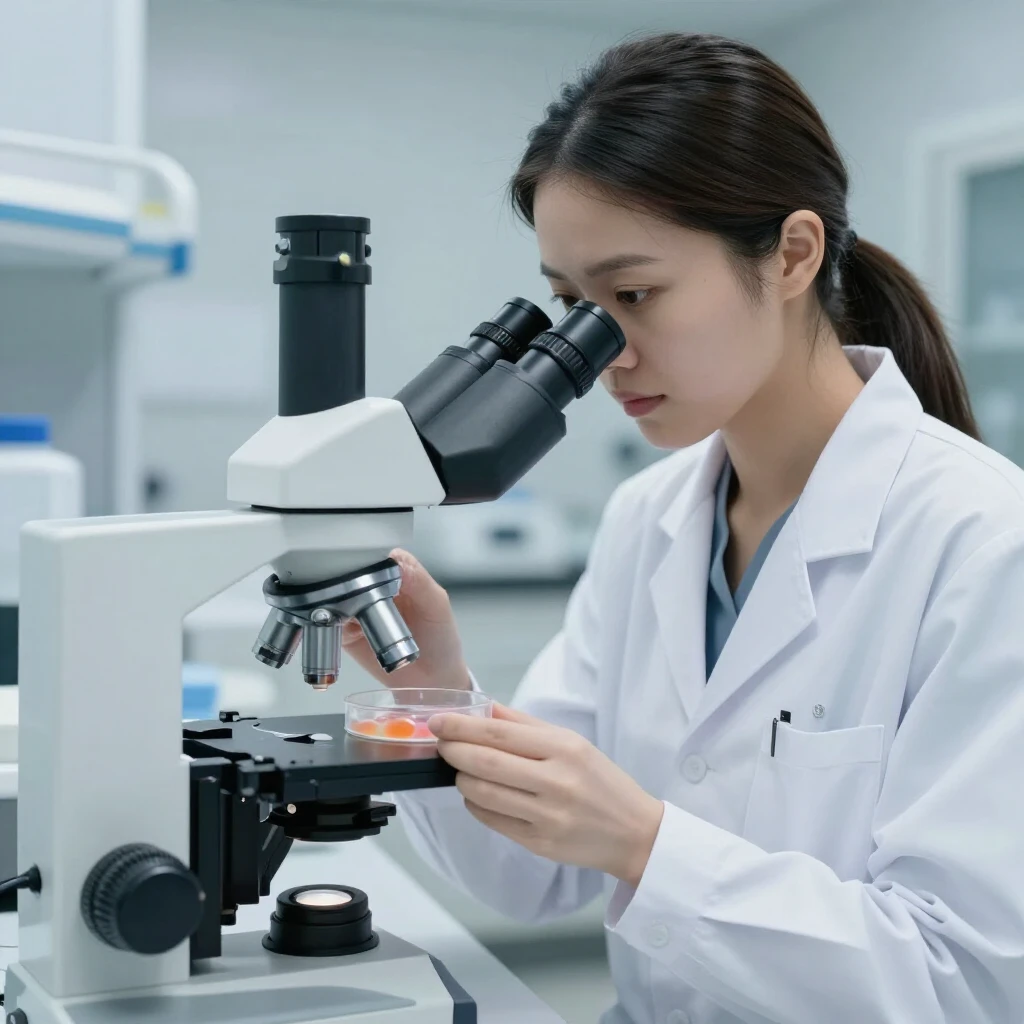
Why Consider Fertility Preservation in Women?
Women often face unique pressures. Our fertility peaks in our 20s and dips after 35. Add medical issues like chemotherapy, and the clock ticks faster. Fertility preservation in women empowers you to pause that clock.
Take Sarah, a 28-year-old teacher I once advised. Diagnosed with breast cancer, she froze her eggs before treatment. Years later, she welcomed twins. Stories like hers show it's not just science—it's personal triumph.
Common triggers include:
- Cancer therapies: Chemo and radiation can harm ovaries.
- Autoimmune diseases: Conditions like endometriosis steal time.
- Career or life delays: Freezing eggs buys breathing room.
Early action matters. Consult a specialist within weeks of diagnosis for best results.
Key Techniques for Fertility Preservation in Women
Let's dive into the how. Most methods revolve around freezing—think ultra-cold storage at -196°C to halt biological aging.
Egg Freezing (Oocyte Cryopreservation)
You take hormone shots to mature eggs, then doctors retrieve them via a quick procedure. These gems go into liquid nitrogen. It's straightforward and doesn't need a partner.
Embryo Freezing
Similar to egg freezing, but eggs meet sperm first in a lab. This creates embryos ready for future implantation. Many prefer it for higher success odds.
Ovarian Tissue Freezing
For urgent cases, surgeons remove and freeze ovarian strips. Later, they transplant it back. It's experimental but life-saving for kids or those skipping hormones. Explore ovarian tissue cryopreservation details from the National Institutes of Health.

Success Rates of Fertility Preservation Techniques
Numbers tell a story of hope. For women under 35, egg freezing yields about 30-60% live birth rates per cycle, per recent data. Embryo freezing edges higher at 35-50%.
Ovarian tissue transplant? Around 30% pregnancy rates, with live births in 20-40% of cases. These vary by age and health—younger starts win big.
| Technique | Live Birth Rate (Under 35) | Key Notes |
|---|---|---|
| Egg Freezing | 30-60% | Best for singles or delays |
| Embryo Freezing | 35-50% | Partner or donor sperm needed |
| Ovarian Tissue | 20-40% | Ideal for urgent medical needs |
Check ASCO's updated guidelines on fertility preservation success rates for the latest stats.
Remember, success isn't one-and-done. Multiple cycles boost chances. Track your numbers with your doc for realistic expectations.
The Latest Advances in Fertility Preservation Tech
Science races forward. By 2025, AI scans embryos for viability, slashing guesswork. Vitrification—flash-freezing—now saves over 90% of eggs post-thaw.
In vitro maturation grows eggs outside the body, skipping hormone risks. And stem cell tweaks? They hint at lab-grown ovaries someday.
These tools make preservation safer and smarter. A patient I guided used AI-optimized freezing last year—her thaw rate hit 95%. Game-changer.
Watch for:
- Non-invasive genetic tests: No embryo biopsies needed.
- Pharmacologic shields: Drugs protect ovaries during chemo.
- Tissue engineering: Custom scaffolds revive frozen tissue faster.
Read about emerging fertility tech from the National Cancer Institute.

The Impact of Infertility on Mental Health
Behind the labs and stats lies heartache. Infertility hits like a storm—waves of grief, anger, isolation. Studies show 40-50% of couples face depression; anxiety tags along for 30-40%.
Women often shoulder more, feeling 'broken' amid societal baby pressure. Sleepless nights, strained relationships—it's real. One client shared, 'Each negative test chipped my spirit until preservation gave me control back.'
Coping tips: - Journal feelings daily. - Join support groups—online or local. - Practice mindfulness; apps like Calm help.
Seek therapy early. Cognitive behavioral techniques ease the load. Understand psychological effects from NIH research. You're not alone; healing starts with acknowledgment.
Partners matter too. Open talks prevent rifts. Date nights? Non-negotiable amid treatments.
Personal Insights: Navigating the Journey
Over years counseling families, I've seen patterns. Start small: Educate yourself via trusted sites. Build a team—doc, counselor, cheer squad.
Budget wisely; insurance gaps exist, but grants help. Track cycles with apps for empowerment.
One insight? Flexibility rules. If Plan A falters, B blooms. A couple I know switched from eggs to tissue freezing mid-crisis—now they're parents.
Embrace self-care: Walks, hobbies, affirmations. 'My body is capable,' one mom repeated. It stuck.
For women eyeing preservation:
- Age 20-30? Prime time—higher yields.
- Track ovulation monthly.
- Freeze before meds if possible.
Actionable step: Schedule that consult today. Knowledge arms you.
Wrapping It Up
The science of fertility preservation explained boils down to choice and hope. From egg freezing's reliability to tech's bold strides, options abound. Yet, honor the mental side—seek support to thrive.
You're taking brave steps. With informed moves, brighter tomorrows await. Chat with pros; your story deserves a happy chapter.