Navigating Through Female Infertility
Dec. 16, 2025, 6:41 a.m.
Overview
Female infertility affects many women, but hope exists through understanding and treatment. This article explores causes, options, and paths forward, including unexplained infertility and IVF success.
Understanding Female Infertility
Female infertility happens when a woman struggles to get pregnant after trying for a year. It touches about one in six couples. Many factors play a role, but knowledge empowers you to take steps.
Doctors define infertility as no pregnancy after 12 months of regular, unprotected sex. For women over 35, they check sooner, after six months. This issue can feel isolating, but you're not alone. Millions navigate through female infertility each year.
Personal stories show the emotional side. One woman shared how she felt lost at first, but learning about her body helped her regain control. She said, 'It shifted from fear to action.' Insights like these remind us that support matters.
Common Causes of Female Infertility
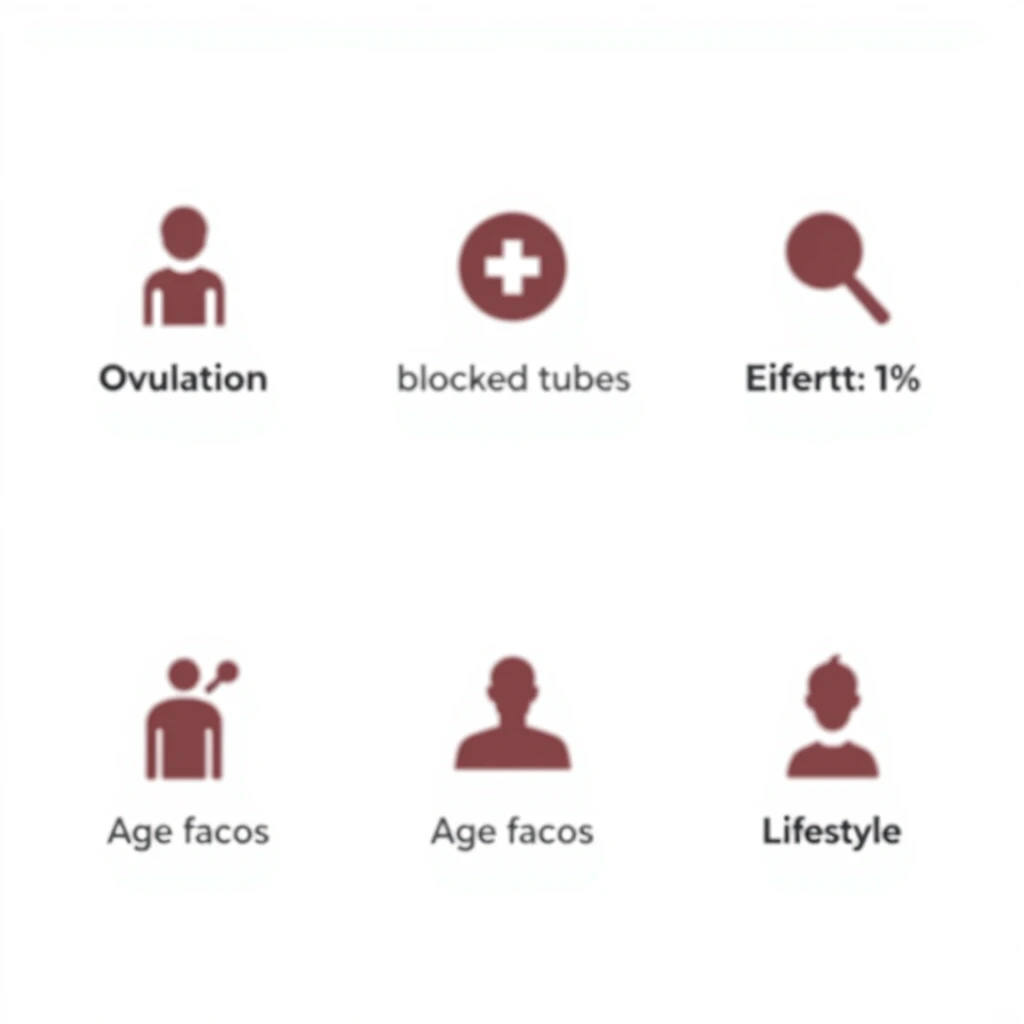
Several issues can lead to infertility. Problems with ovulation top the list. Without regular egg release, pregnancy can't happen.
Hormone imbalances often cause this. Polycystic ovary syndrome (PCOS) is a big one. It disrupts cycles and affects egg quality. Blocked fallopian tubes from infections or endometriosis also block the path for sperm and egg to meet.
Age plays a key role too. As women get older, egg count and quality drop. By 35, fertility declines faster. Uterine problems, like fibroids, can interfere with implantation.
Lifestyle factors add up. Smoking, heavy drinking, and extreme weight changes harm fertility. Stress can throw off hormones as well.
For detailed causes, check this resource from the National Institute of Child Health and Human Development: Causes of Female Infertility.

Diagnosing the Issue
Diagnosis starts with a chat about your health history. Your doctor asks about cycles, past pregnancies, and lifestyle.
Tests follow. Blood work checks hormone levels. Ultrasounds look at ovaries and uterus. A hysterosalpingogram (HSG) tests tube blockage with dye and X-rays.
Sometimes, laparoscopy explores inside with a small camera. It spots endometriosis or scars. These steps pinpoint problems and guide treatment.
Treatment Options for Female Infertility
Treatments vary by cause. Medications often help first. Clomiphene citrate stimulates ovulation. It's a pill taken for five days early in your cycle.
If that doesn't work, injections of gonadotropins boost egg production. Surgery fixes blocked tubes or removes fibroids.
Assisted reproductive technologies shine for tougher cases. Intrauterine insemination (IUI) places sperm directly in the uterus. It's less invasive and costs less than IVF.
In vitro fertilization (IVF) mixes egg and sperm in a lab, then transfers embryos. It's powerful but involves more steps.
For more on treatments, see Mayo Clinic's guide: Diagnosis and Treatment of Female Infertility.
Lifestyle Changes That Help
You can boost chances with daily habits. Eat balanced meals rich in fruits, veggies, and whole grains. Aim for a healthy weight—being too thin or heavy affects hormones.
Exercise moderately. Quit smoking and limit alcohol. Manage stress with yoga or walks. These changes support overall health and fertility.
| Lifestyle Factor | Impact on Fertility |
|---|---|
| Smoking | Reduces egg quality and count |
| Weight | Extremes disrupt ovulation |
| Stress | Alters hormone balance |
| Diet | Nutrient-rich foods aid reproduction |
Dealing with Unexplained Infertility
Sometimes, tests show nothing wrong, yet pregnancy doesn't happen. This is unexplained infertility. It affects up to 30% of couples.
It frustrates because there's no clear fix. But options exist. Fertility drugs with IUI often try first. Success rates hover around 10-20% per cycle.
IVF steps up for unexplained cases. It bypasses unknown issues by handling conception outside the body. Studies show good outcomes. One review found IVF success in unexplained infertility matches other causes.
A couple I know faced this. After two years, they tried IVF. 'We didn't know why, but IVF worked on the second try,' they said. Stories like theirs offer hope.
For success rates, use the CDC's IVF estimator: IVF Success Estimator. It personalizes chances based on age and factors.
Unexplained Infertility and IVF Success
IVF shines for unexplained infertility. Live birth rates reach 40-50% per cycle for women under 35. They drop with age, but advances improve odds.
Preimplantation genetic testing screens embryos for issues. It boosts success by picking healthy ones.
Costs and emotions run high. Cycles average $12,000-$15,000. Insurance varies. Support groups help cope. One woman noted, 'Sharing eased the burden.'
Explore more from Women's Health.gov: Infertility Overview.

Emotional Support and Next Steps
Infertility tests resilience. Feelings of grief, anger, or jealousy are normal. Talk to friends, family, or a counselor. Online forums connect you with others.
Consider alternatives like adoption or donor eggs if needed. Each path is valid.
Summary
Navigating through female infertility demands patience and knowledge. From causes to treatments like IVF for unexplained cases, options grow. Seek medical advice, make healthy changes, and lean on support. Many find success and build families.