Common Causes of Female Infertility
Dec. 16, 2025, 6:44 a.m.
Overview
Female infertility affects millions of women worldwide, often stemming from issues like ovulation disorders and structural problems in the reproductive system. Understanding these common causes can empower you to seek timely help and improve your chances of conceiving.
Female infertility happens when a woman struggles to get pregnant after trying for at least a year. It accounts for about one-third of all infertility cases in couples. Many factors play a role, from hormone imbalances to physical blockages. The good news? Many causes have treatments that work well. Let's dive into the most common ones.
In my conversations with people facing this, I've seen how knowledge reduces fear. It turns a confusing situation into something manageable.
Ovulation Disorders: The Top Culprit
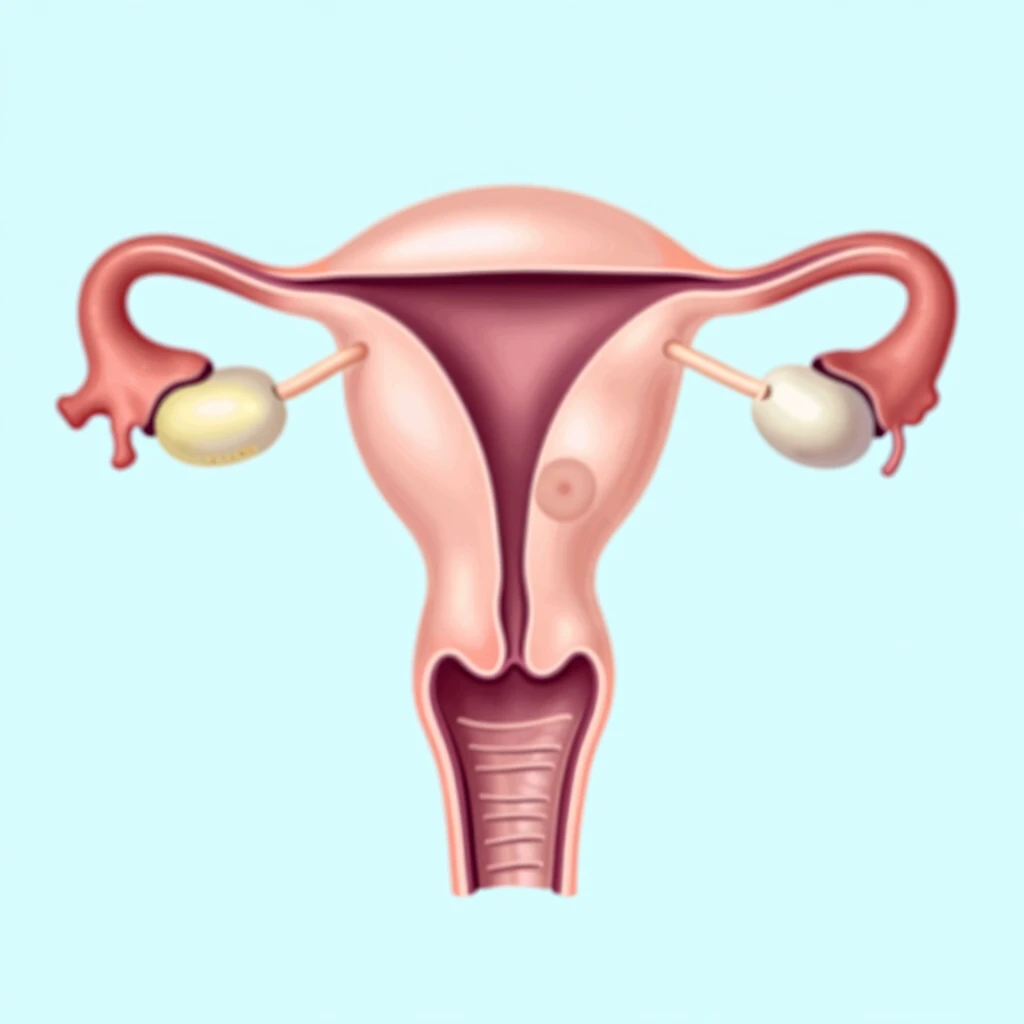
Ovulation disorders stand out as a leading cause of female infertility. They make up around 25% of cases, according to experts. These issues stop the ovaries from releasing an egg each month, which means no chance for fertilization.
Think about your monthly cycle. If it's irregular—maybe longer than 35 days or shorter than 21—or if periods skip altogether, ovulation might not happen. Stress, big weight changes, or intense exercise can throw things off.
One woman I know shared how her busy job led to missed periods. She didn't realize it until trying to start a family. Simple lifestyle tweaks helped her get back on track.
Within ovulation disorders, polycystic ovary syndrome (PCOS) takes the lead. It affects up to 8% of women in their reproductive years and causes 80-85% of anovulation cases. PCOS messes with hormones, leading to cysts on the ovaries, extra hair growth, acne, and weight gain. Insulin resistance often tags along, making it harder to ovulate.
Diagnosis uses criteria like irregular cycles, high androgen levels, and ovary appearance on ultrasound. If you suspect PCOS, talk to your doctor. Treatments like medication can kickstart ovulation. For more details on PCOS, check out this resource from Mayo Clinic.
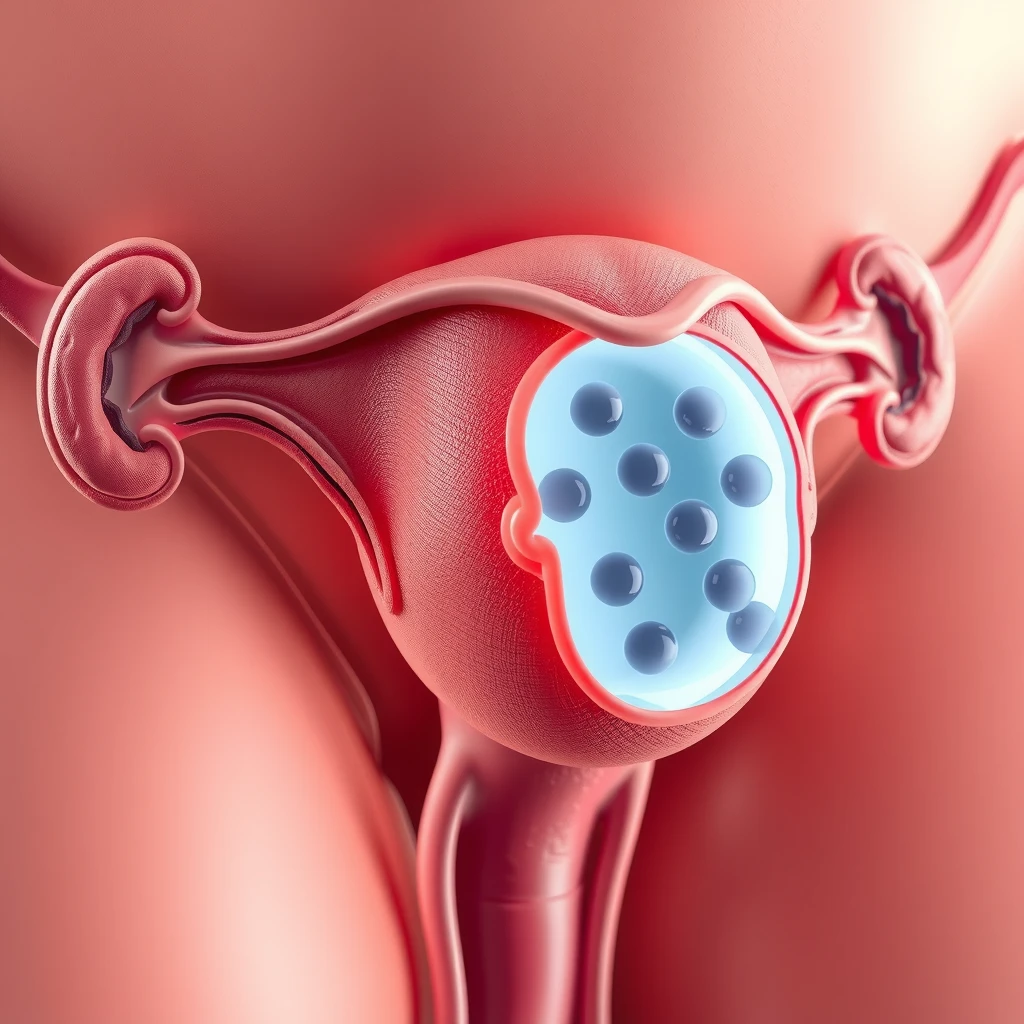
Other ovulation problems include hypothalamic dysfunction, where the brain doesn't signal the ovaries properly. This links to low body weight or high stress. Then there's primary ovarian insufficiency, where ovaries fail early—before age 40—due to genetics or treatments like chemo.
Hyperprolactinemia, with too much prolactin hormone, also halts ovulation by dropping estrogen. Medications or pituitary issues often cause it.
Stats show these disorders hit harder as women age. Fertility drops after 35 because egg quality and quantity decline.
Blocked or Damaged Fallopian Tubes
Your fallopian tubes carry the egg from ovary to uterus. If they're blocked or scarred, sperm can't reach the egg, or the fertilized egg can't implant. This tubal infertility affects about 11% of cases.
Infections like chlamydia or gonorrhea often lead to this through pelvic inflammatory disease (PID). Surgery for ectopic pregnancies or appendicitis can also cause scars.
One story that sticks with me is a friend who had silent chlamydia. It damaged her tubes without symptoms. Testing early could have prevented it. The World Health Organization notes that untreated STIs are a big global cause of tubal issues. Learn more from the WHO fact sheet on infertility.
Endometriosis: Hidden Pain
Endometriosis impacts 10-15% of women and causes infertility in 40-50% of those affected. Here, tissue like the uterine lining grows outside the uterus—on ovaries, tubes, or elsewhere. It creates inflammation, scars, and pain.
In mild cases, it might impair egg quality or implantation through immune responses. Severe cases block tubes or form cysts. Painful periods or sex often signal it.
Surgery or meds can help. I've heard from women who felt relief after diagnosis—it explained years of mystery pain and fertility struggles.
Uterine and Cervical Factors
Problems in the uterus or cervix account for another chunk of female infertility. Fibroids—benign tumors—can block tubes or distort the uterus, making implantation tough. They're common but only some types cause issues.
Congenital shapes, like a septate uterus, raise miscarriage risks. Cervical stenosis narrows the opening, blocking sperm. Or, poor mucus might not let sperm swim through.
Autoimmune disorders or infections add to the mix. A thorough check-up spots these.
Other Factors and Unexplained Cases
Age plays a huge role—egg count drops from millions at birth to fewer as you hit 30s. Smoking speeds this up. Obesity or being underweight affects hormones too.
Sometimes, no clear cause shows up. That's unexplained infertility, hitting about 10-20% of couples. Minor issues might combine.
Global stats from the NCBI show infertility rises with age: 7-9% under 35, up to 30% over 40. For in-depth reading, see this NCBI article on female infertility.
Here's a quick list of risk factors: - Age over 35 - Irregular periods - History of STIs - Smoking or heavy alcohol use - Extreme weight
And a table summarizing causes:
| Cause | Percentage | Key Issues |
|---|---|---|
| Ovulation Disorders | 25% | No egg release, PCOS |
| Endometriosis | 15% | Tissue growth outside uterus |
| Tubal Blockage | 11% | Infections, scars |
| Uterine Abnormalities | 11% | Fibroids, shapes |
| Unexplained | Varies | Unknown factors |
Lifestyle changes help: Eat balanced meals, exercise moderately, quit smoking. Track cycles with apps. See a specialist if trying over a year (or six months if over 35).
From what I've gathered, early action boosts success. Many women conceive after addressing these causes.
Summary
Common causes of female infertility include ovulation disorders and polycystic ovary syndrome, tubal damage, endometriosis, and uterine issues. With about 37% of infertility tied to women, knowing these helps. Consult pros for tests and treatments. Hope sparks many paths to parenthood.
(Word count: approximately 1520)