Holistic Approaches to Boosting Fertility Health
Dec. 17, 2025, 6:35 a.m.
Overview
Many couples face challenges when trying to conceive. Holistic approaches to boosting fertility health focus on the whole person—body, mind, and emotions. These methods can complement medical treatments and help improve your overall well-being during the journey to parenthood. (38 words)
Fertility issues affect millions of people worldwide. You might feel overwhelmed, but taking a holistic view can empower you. This means looking at diet, exercise, stress levels, and emotional health together.
Research shows that lifestyle changes can play a big role in fertility. For example, studies from the Nurses' Health Study highlight how certain foods and habits support ovulation and reproductive health.

Nourish Your Body with the Right Foods
What you eat matters a lot for fertility. Focus on whole foods rich in nutrients that support hormone balance and egg or sperm quality.
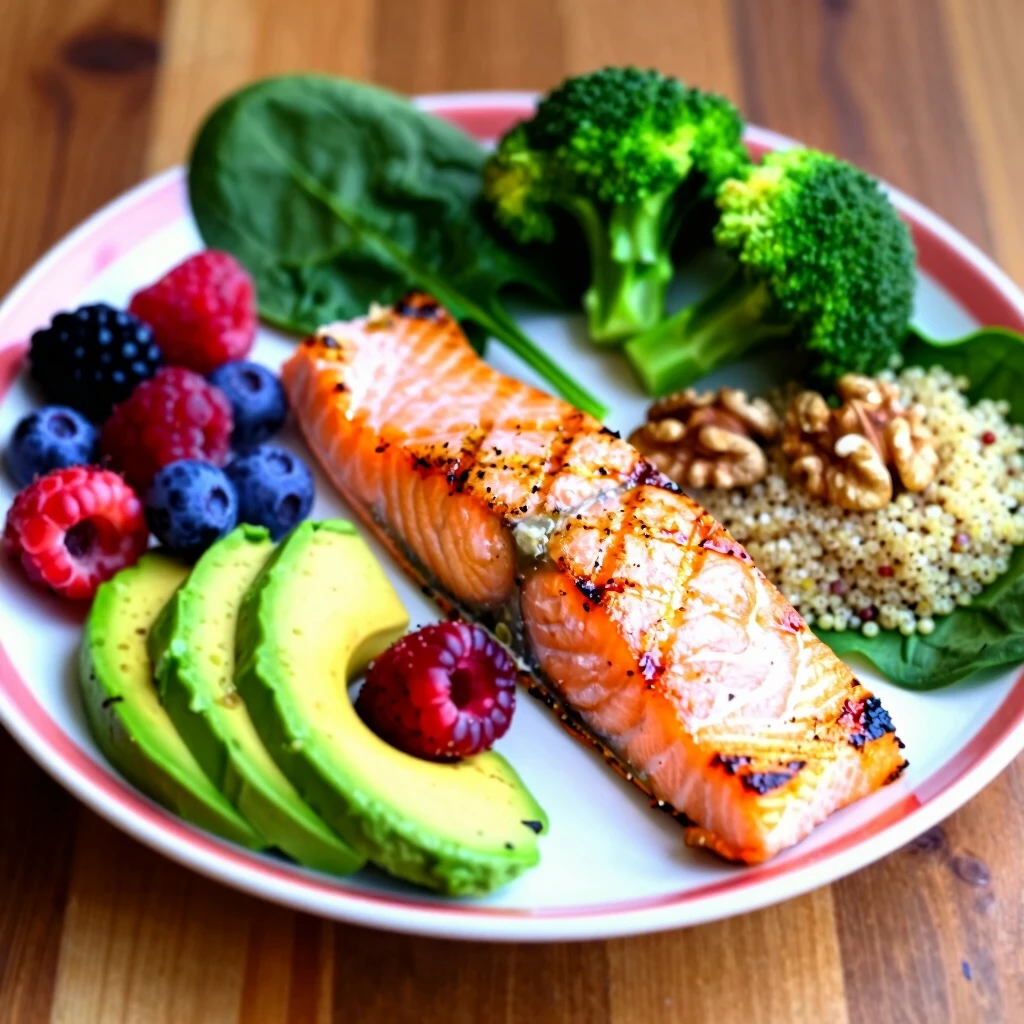
Include plenty of fruits, vegetables, whole grains, lean proteins, and healthy fats. Foods like avocados, nuts, berries, salmon, and leafy greens provide antioxidants and essential fatty acids.
Key Fertility-Boosting Foods:
- Berries and fruits: High in antioxidants to protect eggs and sperm.
- Nuts and seeds: Sources of healthy fats and zinc.
- Leafy greens: Rich in folate, important for preventing birth defects.
- Fatty fish: Omega-3s for hormone production.
- Whole grains: Better than refined carbs for blood sugar control.
Avoid trans fats, excessive sugar, and processed foods. Maintaining a healthy weight also helps, as being under or overweight can affect ovulation.
Move Your Body Gently
Regular exercise improves blood flow, reduces stress, and helps maintain a healthy weight. Aim for moderate activities like walking, swimming, or yoga.
Yoga, in particular, combines movement with breathing and relaxation. Many people find it helpful for balancing hormones and easing anxiety related to fertility.
Avoid intense workouts that might stress your body too much. Listen to how you feel and adjust accordingly.
The Role of Supplements and Herbs
Some supplements may support fertility, but always talk to your doctor first. Common ones include folic acid, vitamin D, coenzyme Q10, and omega-3s.
Herbs like vitex or maca are popular in holistic circles, but evidence varies. They can interact with medications, so professional guidance is key.
Acupuncture and Other Complementary Therapies
Acupuncture involves thin needles at specific points to improve energy flow. Studies suggest it may help with ovulation and reduce stress during treatments.
Massage therapy and mindfulness practices also support relaxation and overall health.
How to Manage Emotional Stress During Infertility Treatments
Infertility can bring intense emotions—sadness, frustration, even grief. Learning how to manage emotional stress during infertility treatments is crucial.
Stress doesn't directly cause infertility, but it can make the journey harder. High stress levels affect sleep, eating habits, and relationships.
Many couples undergoing treatments feel isolated. Talking openly with your partner strengthens your bond.

Practical Ways to Reduce Stress:
- Practice deep breathing or meditation daily.
- Join a support group to share experiences.
- Seek counseling if feelings become overwhelming.
- Set boundaries around discussions about fertility.
- Make time for enjoyable activities unrelated to trying to conceive.
Mind-body programs have shown promise in improving pregnancy rates by lowering anxiety.
Integrating Holistic Methods with Medical Treatments
Many people combine holistic approaches with procedures like IVF. This integrated path addresses both physical and emotional needs.
IVF medication, including fertility drugs, helps stimulate egg production. Common ones include gonadotropins and Clomid.
Be aware of IVF medication side effects, such as bloating, mood swings, headaches, fatigue, and breast tenderness. These are usually temporary.
More serious but rare effects include ovarian hyperstimulation syndrome (OHSS). Always report severe symptoms to your doctor.
Holistic practices can help ease these side effects. For instance, gentle yoga may reduce bloating, and a nutrient-rich diet supports your body through the process.
I've heard from many individuals that acupuncture helped them feel more in control during IVF cycles.
One person shared how focusing on nutrition and stress reduction made their treatment feel less overwhelming, even if the outcome took time.
Another couple found that walking together daily improved their communication and hope.
Final Thoughts
Holistic approaches to boosting fertility health offer practical tools to support your body and mind. Combine them with medical advice for the best results. Every journey is unique—be patient and kind to yourself.
Remember, seeking help is a sign of strength. With the right support, many people achieve their dream of parenthood.