Understanding the Different Types of IVF
Dec. 18, 2025, 6:33 a.m.
A Quick Overview
In Vitro Fertilization (IVF) has helped millions of people build families when infertility stands in the way. Understanding the different types of IVF can feel overwhelming at first, but it empowers you to choose the approach that fits your body, lifestyle, and goals. This guide breaks down the main options in simple terms.

What Is In Vitro Fertilization?
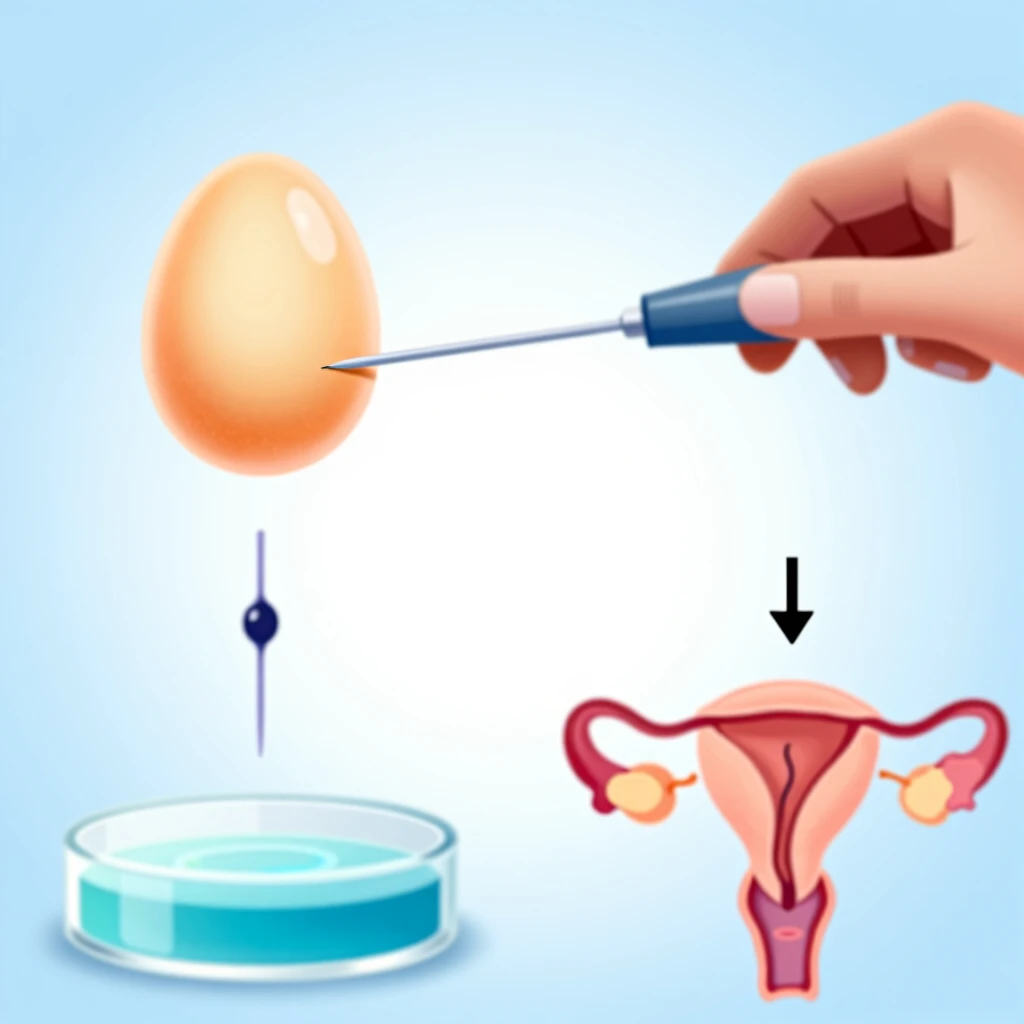
IVF is a process where eggs are retrieved from the ovaries, fertilized with sperm in a lab, and then the resulting embryo is placed back in the uterus. It treats many causes of infertility, from blocked tubes to low sperm count.
According to the Centers for Disease Control and Prevention (CDC), IVF is the most common form of assisted reproductive technology (ART), helping thousands of babies be born each year.
The Main Types of IVF
While all IVF follows the same basic steps—egg retrieval, fertilization, and embryo transfer—the way doctors handle ovarian stimulation sets the types apart. Here are the key ones:
1. Conventional (Stimulated) IVF
This is the most common type. You take hormone injections for about 10-12 days to encourage your ovaries to produce multiple eggs. Doctors then retrieve those eggs, fertilize them, and transfer one or more embryos.
Why choose it? It gives more eggs and embryos, which raises the chances of success in one cycle. Many clinics recommend transferring just one embryo to avoid multiples.
The Mayo Clinic explains the IVF procedure in detail, including how stimulation works.
2. Natural Cycle In Vitro Fertilization
Natural cycle IVF skips the strong stimulation drugs. Doctors monitor your body's natural cycle and retrieve the single egg you produce each month.
Pros: Fewer side effects, no risk of ovarian hyperstimulation syndrome (OHSS), and lower cost per cycle since you avoid expensive medications.
Cons: Only one egg means lower success rates per cycle—often you need several attempts. It's best for women with regular cycles who want a gentler approach.
Many patients I’ve heard from appreciate how natural cycle In Vitro Fertilization feels less invasive on their body.
3. Mild or Mini IVF
This sits in the middle. You use lower doses of hormones to produce 3-10 eggs instead of 15+.
It reduces side effects and costs while still offering better odds than natural cycle IVF. It's popular for women who respond strongly to drugs or prefer fewer injections.
4. IVF with ICSI (Intracytoplasmic Sperm Injection)
This isn't a separate cycle type but an add-on used in most conventional cycles today. A single sperm is injected directly into the egg—great for male factor infertility.
The CDC notes that ICSI is used in about 75% of IVF procedures in the U.S.

Other Variations to Know
- Frozen Embryo Transfer (FET): Embryos from any cycle are frozen and transferred later. Often gives higher success rates.
- Donor Egg or Sperm IVF: Uses donated eggs or sperm when needed.
- Gestational Carrier IVF: Embryos transferred to a surrogate.
These build on the core types above.
Choosing the Right Type for You
Your doctor will look at your age, ovarian reserve, past treatments, and infertility cause. Younger women often succeed with milder approaches. Those with low egg counts might need conventional stimulation.
Talk openly about side effects, costs, and emotional impact. Many couples find peace in knowing they have options tailored to their needs.
| Type | Stimulation Level | Eggs Retrieved | Success Rate per Cycle | Best For |
|---|---|---|---|---|
| Conventional IVF | High | 10-20+ | Higher | Most patients, higher chances |
| Natural Cycle IVF | None | 1 | Lower | Regular cycles, avoid meds |
| Mild/Mini IVF | Low | 3-10 | Moderate | Reduce side effects, cost |
| With ICSI | Varies | Varies | Similar to base | Male factor infertility |
Real Insights from the Journey
Patients often share that the injections in conventional IVF feel tough but worthwhile when they hold their baby. Others love natural cycle IVF for feeling more in tune with their body. Every path is personal—no one type is best for everyone.
Wrapping It Up
Understanding the different types of IVF—from stimulated to natural cycle In Vitro Fertilization—helps you partner with your doctor on the best plan. IVF offers real hope for overcoming infertility, and advances continue to make it safer and more effective.
Consult a specialist to see what fits you. You're taking a brave step toward your family.