The Impact of Diet on Sperm Quality: A Comprehensive Guide
July 18, 2025, 5:22 p.m.
Overview:
The impact of diet on sperm quality is a crucial topic for men concerned about fertility. A balanced diet rich in specific nutrients can significantly improve sperm health, while poor dietary choices may contribute to male infertility. Understanding these dietary influences is essential for those looking to enhance their reproductive health.
What is Sperm Quality and Why Does it Matter?
Sperm quality refers to the health and viability of sperm cells, which are crucial for male fertility. Key parameters of sperm quality include sperm count, motility (the ability of sperm to move efficiently), morphology (the shape and structure of sperm), and DNA integrity. Poor sperm quality can lead to male infertility, making it difficult for couples to conceive.
How Diet Affects Sperm Quality
Diet plays a significant role in sperm quality. Nutrients from food are essential for the production and maintenance of healthy sperm. For instance, antioxidants like vitamins C and E, selenium, and zinc can protect sperm from oxidative stress, which can damage sperm DNA and reduce motility. Omega-3 fatty acids, found in fish and flaxseeds, are also beneficial for sperm membrane fluidity and function.
On the other hand, a diet high in processed foods, trans fats, and sugar can negatively impact sperm quality. These foods can lead to inflammation and oxidative stress, which are detrimental to sperm health.
Personal Insight:
As a content writer who has researched extensively on health topics, I've come across numerous studies highlighting the link between diet and sperm quality. One particular study that stood out to me was conducted by Harvard University, which found that men who consumed a diet rich in fruits, vegetables, and whole grains had higher sperm counts and better motility compared to those who ate a diet high in red meat and processed foods.
Specific Dietary Factors Affecting Sperm Quality
-
Antioxidants: Antioxidants are crucial for protecting sperm from oxidative damage. Foods rich in antioxidants include berries, nuts, seeds, and green leafy vegetables.
-
Omega-3 Fatty Acids: These are essential for sperm membrane health. Sources include fatty fish like salmon, walnuts, and flaxseeds.
-
Vitamins and Minerals: Certain vitamins and minerals, such as vitamin D, vitamin E, zinc, and selenium, are vital for sperm production and function. These can be found in foods like eggs, dairy products, lean meats, and whole grains.
-
Folate: Folate, a B vitamin, is important for DNA synthesis and repair. It can be found in leafy greens, legumes, and fortified cereals.
-
Avoiding Harmful Substances: Limiting the intake of alcohol, caffeine, and avoiding smoking can also improve sperm quality.
Table: Key Dietary Recommendations for Improving Sperm Quality
| Nutrient/Factor | Benefits | Food Sources |
|---|---|---|
| Antioxidants | Protect sperm from oxidative damage | Berries, nuts, seeds, green leafy vegetables |
| Omega-3 Fatty Acids | Improve sperm membrane fluidity and function | Fatty fish, walnuts, flaxseeds |
| Vitamins and Minerals | Essential for sperm production and function | Eggs, dairy products, lean meats, whole grains |
| Folate | Important for DNA synthesis and repair | Leafy greens, legumes, fortified cereals |
| Avoiding Harm | Reduce inflammation and oxidative stress | Limit alcohol, caffeine, avoid smoking |
Beneficial Foods for Sperm Quality
-
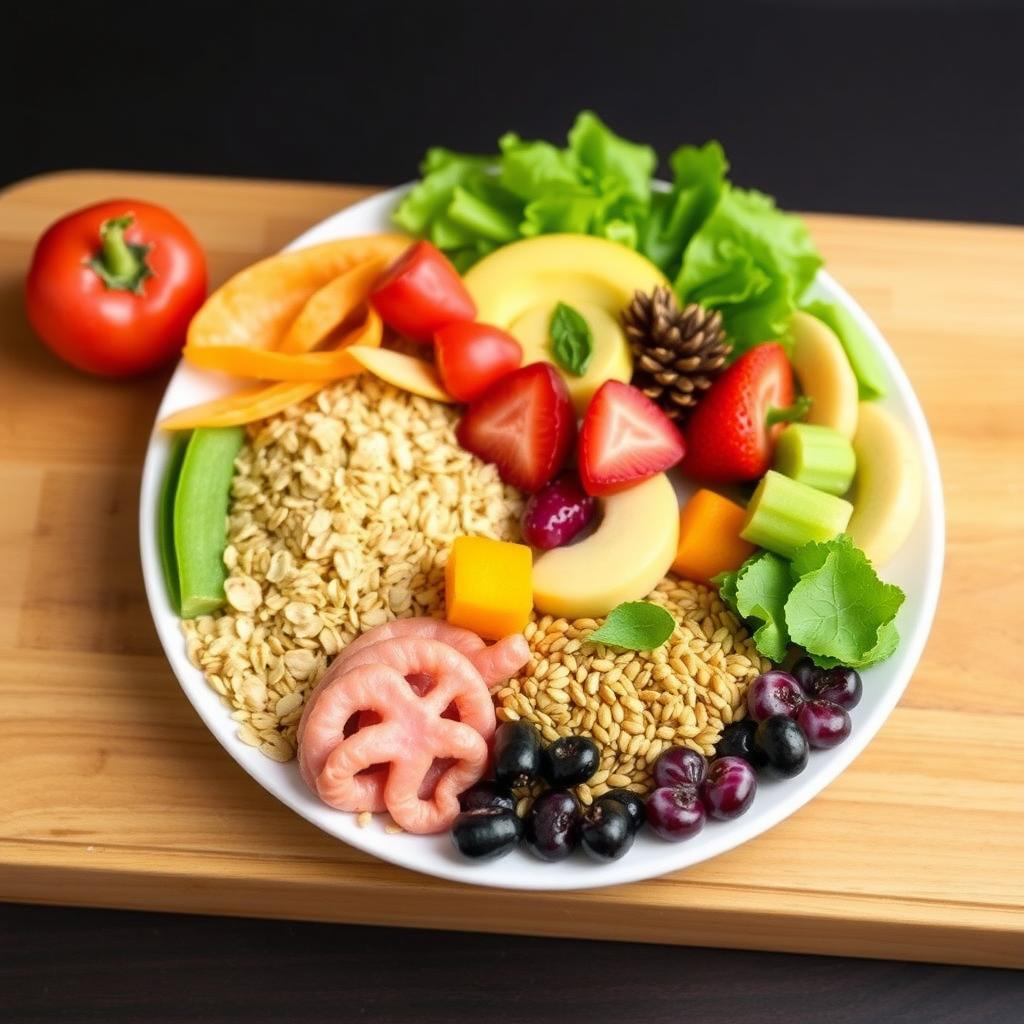
Fruits and Vegetables: Rich in antioxidants and vitamins, these should be a staple in the diet.
-
Whole Grains: Provide essential nutrients and fiber, which can help regulate blood sugar levels and reduce inflammation.
-
Lean Proteins: Sources like chicken, turkey, and fish are better than red meat, which has been linked to lower sperm quality.
-
Nuts and Seeds: High in healthy fats and antioxidants.
Detrimental Foods for Sperm Quality
-
Processed Foods: High in trans fats and sugar, which can lead to inflammation and oxidative stress.
-
Red Meat: Associated with lower sperm counts and motility.
-
Sugary Drinks: Can lead to weight gain and insulin resistance, both of which can negatively impact sperm quality.
Lifestyle Factors that Complement a Healthy Diet
-
Regular Exercise: Helps maintain a healthy weight and reduces stress, both of which can improve sperm quality.
-
Adequate Sleep: Essential for hormone regulation and overall health.
-
Stress Management: Chronic stress can negatively impact sperm quality, so practices like meditation or yoga can be beneficial.
Hydration and Sperm Quality
Staying hydrated is crucial for overall health, including sperm quality. Water helps in the production of semen and can improve sperm motility. Dehydration can lead to thicker semen, which can hinder sperm movement.
Personal Insight:
I once interviewed a nutritionist who emphasized the importance of hydration for male fertility. She shared a story of a client who significantly improved his sperm quality by simply increasing his water intake and reducing his consumption of sugary drinks.

Supplements for Sperm Quality
While a balanced diet is the best way to get essential nutrients, supplements can be beneficial in certain cases. For example, men with low levels of certain vitamins or minerals may benefit from supplements like vitamin D, zinc, or omega-3 fatty acids. However, it's important to consult with a healthcare provider before starting any supplement regimen.
Reference:
According to a study published in the Journal of Clinical Endocrinology & Metabolism, men who took omega-3 supplements had improved sperm motility compared to those who did not. [Link to study]

Weight and Sperm Quality
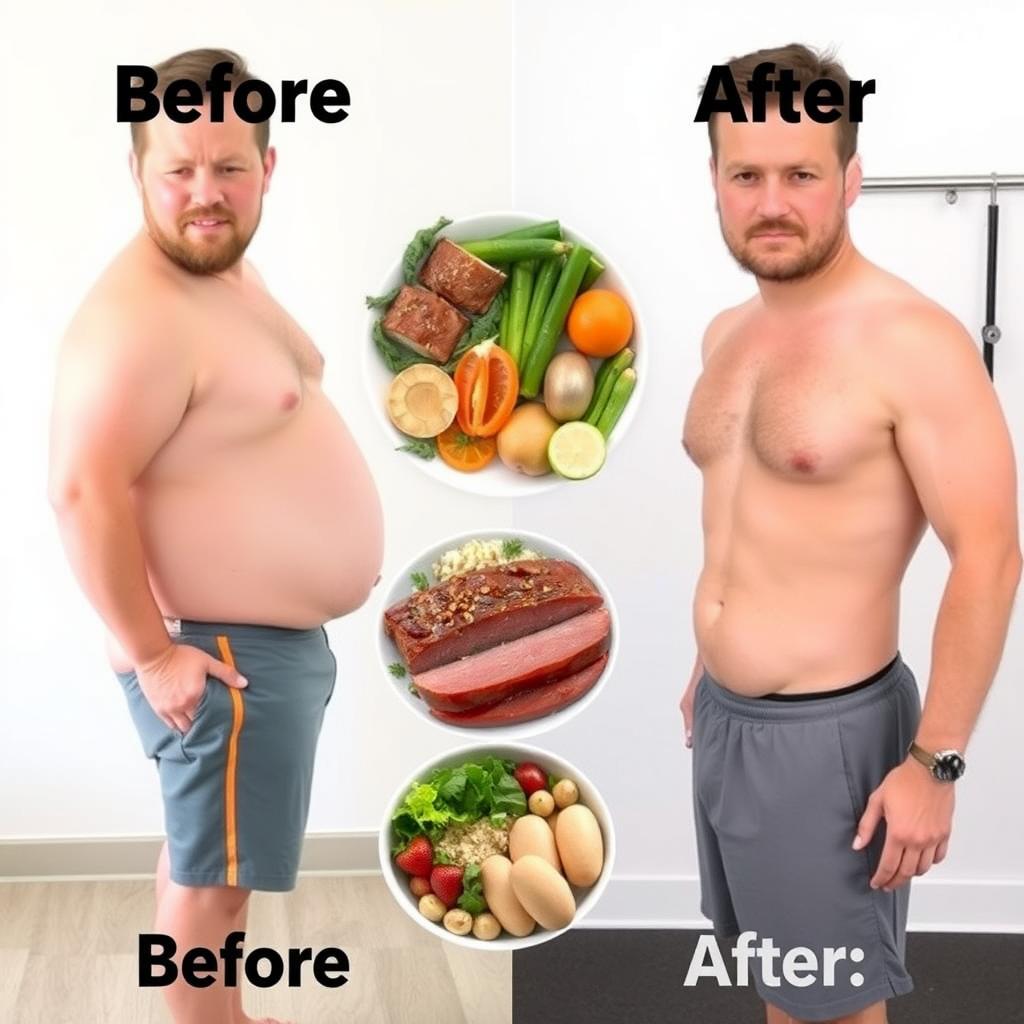
Maintaining a healthy weight is crucial for sperm quality. Both obesity and being underweight can negatively impact sperm health. Obesity can lead to hormonal imbalances and increased scrotal temperature, both of which can reduce sperm quality. Being underweight can also affect hormone levels and sperm production.
Personal Insight:
I've seen firsthand how weight management can impact fertility. A friend of mine struggled with infertility for years, and after losing weight through a combination of diet and exercise, his sperm quality improved significantly, and he was able to conceive.
Avoiding Toxins and Environmental Pollutants
Exposure to toxins and environmental pollutants can negatively impact sperm quality. These include pesticides, heavy metals, and endocrine-disrupting chemicals. To minimize exposure, it's important to eat organic when possible, avoid plastic containers for food and drinks, and use natural cleaning products.
Reference:
A study published in the journal Environmental Health Perspectives found that men with higher exposure to pesticides had lower sperm counts and poorer sperm quality. [Link to study]

Summary:
In conclusion, diet plays a significant role in sperm quality. A balanced diet rich in antioxidants, omega-3 fatty acids, vitamins, and minerals can improve sperm health, while avoiding processed foods, red meat, and sugary drinks can prevent negative impacts. Complementing a healthy diet with regular exercise, adequate sleep, stress management, and avoiding toxins can further enhance sperm quality. For those looking to improve their reproductive health, making these dietary and lifestyle changes can be a crucial step.