Natural Supplements for Fertility: What Works and What Doesn’t
Aug. 2, 2025, 7:01 a.m.
Curious about natural supplements for fertility? This article breaks down which ones actually work—like folic acid and CoQ10—and which don’t, while offering practical tips and personal insights. Expect a clear, honest guide to boosting fertility naturally, backed by science and real experience.
Trying to start a family can feel like an emotional rollercoaster. My husband and I spent months wondering why it wasn’t happening, which led me to explore natural supplements for fertility. With so many options promising miracles, I wanted to know: what works and what doesn’t? This article digs into the science, shares my journey, and offers actionable steps for anyone navigating infertility.
Fertility is your body’s ability to conceive a child naturally. Infertility, on the other hand, is when conception doesn’t happen after a year of trying (or six months if you’re over 35). About 10-15% of couples face infertility, according to the National Institute of Child Health and Human Development. Age, stress, and health issues can all make it harder to conceive. Knowing this helped me feel less alone—and more determined to find solutions.
Not every supplement lives up to the hype, but some have real science behind them. Here’s what I found works, based on research and my own experience.
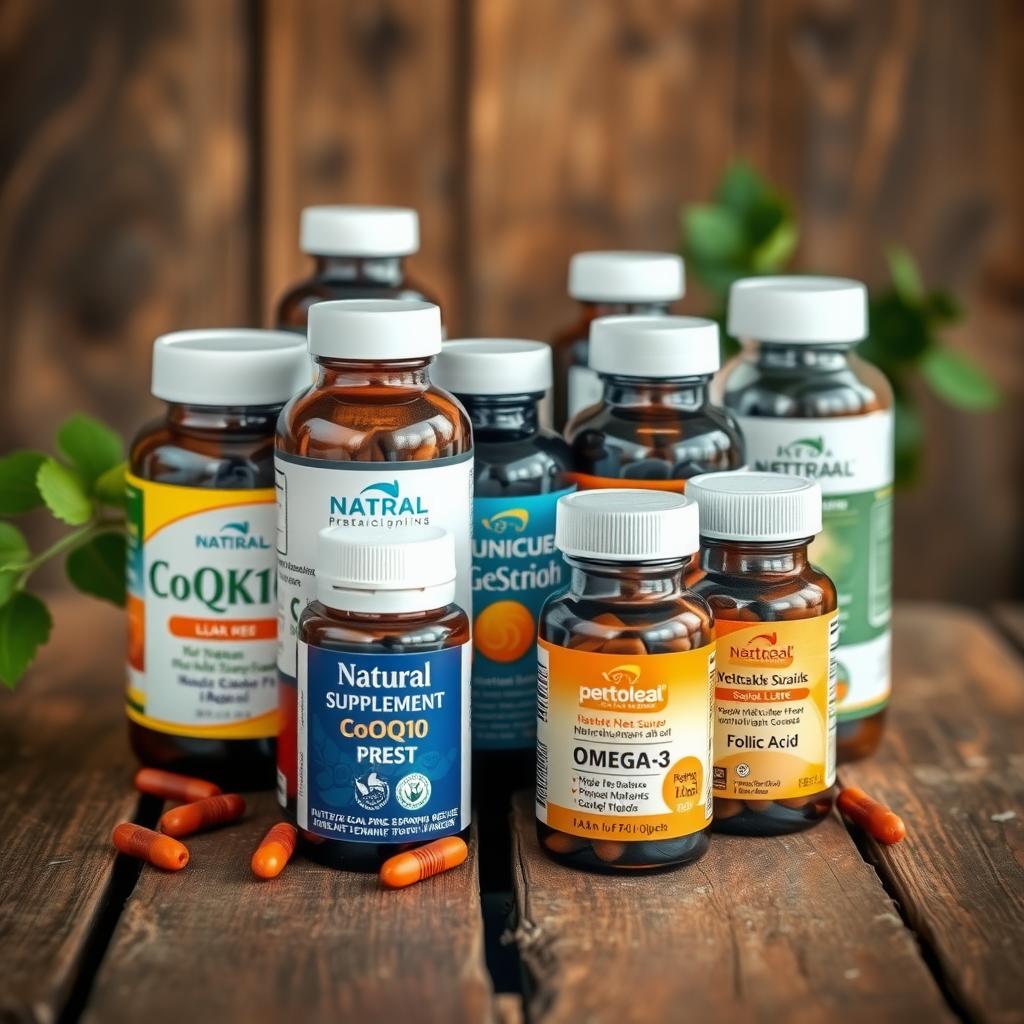
Folic acid is a must. It supports healthy cell division and reduces birth defect risks. Studies from Harvard T.H. Chan School of Public Health show it can also boost ovulation. I started taking 400 mcg daily before we even began trying—it felt like a small, proactive step.
- Dosage: 400-800 mcg daily
- Why It Works: Helps eggs develop properly
CoQ10 caught my attention because I’m over 35. It’s an antioxidant that powers up cells, potentially improving egg quality. Research in the Journal of Assisted Reproduction and Genetics backs this up, especially for IVF patients. I added 200 mg daily and felt more hopeful about my odds.
- Dosage: 200-600 mg daily
- Why It Works: Boosts egg health
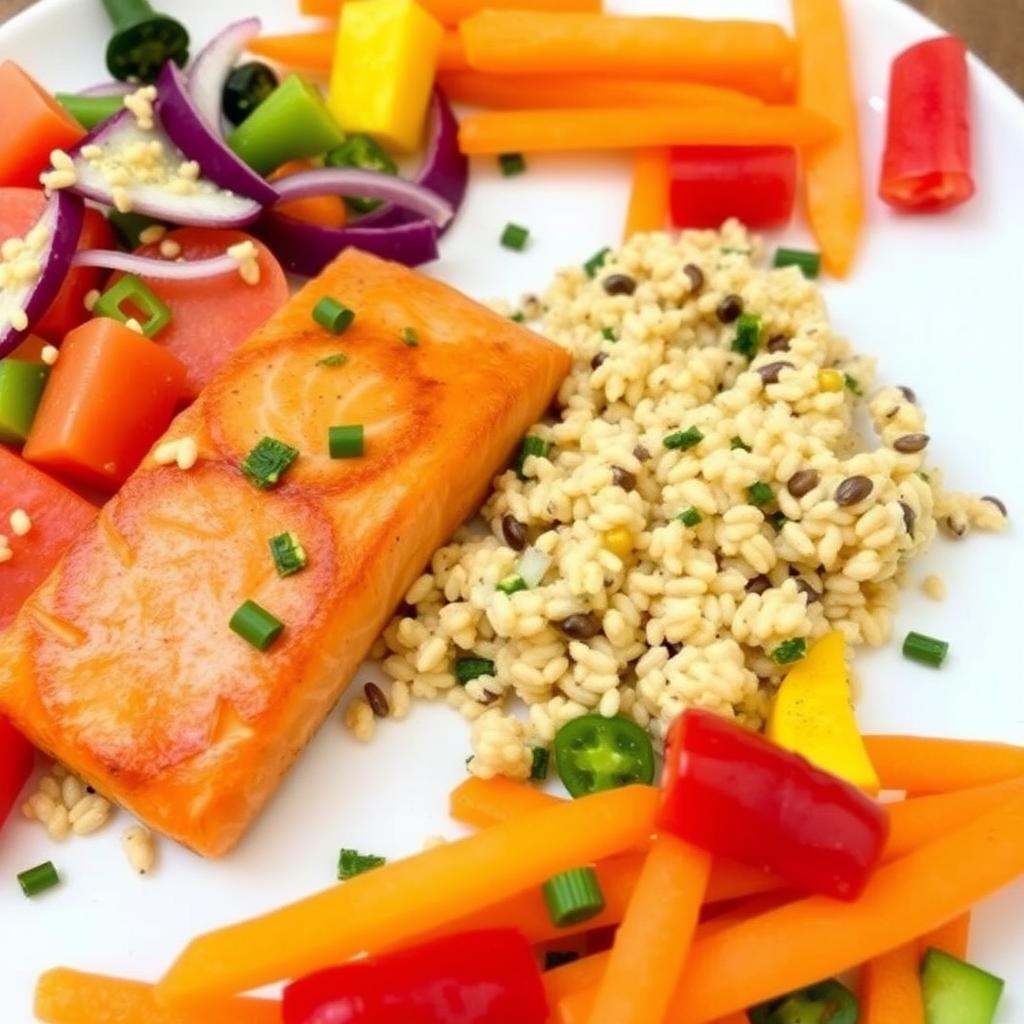
Omega-3s, like those in fish oil, reduce inflammation and support hormone balance. A 2022 study in Human Reproduction linked them to higher conception rates. I swapped out junk food for salmon twice a week—small change, big difference.
- Dosage: 1000-2000 mg daily
- Why It Works: Improves reproductive blood flow
Low vitamin D hit close to home—I tested deficient last year. It’s tied to better pregnancy rates, per Nutrients. After starting 1000 IU daily, my energy improved, and I wondered if it helped my cycle too.
- Dosage: 1000-2000 IU daily
- Why It Works: Regulates hormones
For women with PCOS, myo-inositol is a game-changer. It balances insulin and encourages ovulation. A friend with PCOS swore by it, and studies in Gynecological Endocrinology agree. I don’t have PCOS, but it’s worth considering if you do.
- Dosage: 2000-4000 mg daily
- Why It Works: Fixes ovulation issues
Some supplements sound great but lack proof. Here’s what I’d skip—and why.
I tried black cohosh hoping it’d balance my hormones. It didn’t. There’s no solid evidence it helps fertility, and it might even mess with treatments.
This one’s popular for cervical mucus, but research doesn’t support it. I used it for a month—nothing changed, and some say it’s risky in pregnancy.
Maca promised energy and fertility boosts. I felt a slight lift, but studies are weak. It’s more hype than help.
Vitex seemed promising for cycle regulation, but results are inconsistent. It might help some, but it didn’t for me—and could worsen PCOS.
Supplements aren’t enough on their own. These lifestyle tweaks made a bigger impact than I expected.
Being too thin or heavy can throw off hormones. The American Society for Reproductive Medicine says a BMI of 18.5-24.9 is ideal. I shed 10 pounds and noticed more regular cycles.
A diet full of veggies, lean meats, and whole grains works wonders. The Mediterranean diet, per Fertility and Sterility31822-9/fulltext), boosts fertility. Swapping soda for water was my first win.
Moderate exercise—like 30-minute walks—helps fertility. Overdoing it can backfire, though. I cut intense workouts and felt less stressed.
Stress was my enemy. Yoga and deep breathing calmed me down, and I slept better. Studies link lower stress to better conception odds.
Pesticides and plastics like BPA can hurt fertility. I switched to glass containers and organic produce—peace of mind matters.
| Lifestyle Change | How It Helps | My Experience |
|---|---|---|
| Healthy Weight | Balances hormones | More regular periods |
| Balanced Diet | Fuels reproductive health | Felt stronger overall |
| Moderate Exercise | Improves blood flow | Less exhaustion |
| Stress Reduction | Stabilizes ovulation | Slept better |
| Avoid Toxins | Protects egg/sperm quality | Felt proactive |
Sometimes, nature needs a nudge. Personalized fertility treatment plans combine supplements, lifestyle changes, and medical options like IVF. A specialist tailored a plan for us after months of no luck—it was a relief to have direction.
If you’re under 35 and trying for a year, or over 35 and trying for six months, see a pro. Early tests caught my vitamin D issue—don’t wait like I did.
Natural supplements for fertility can help, but they’re not all equal. Folic acid, CoQ10, omega-3s, vitamin D, and myo-inositol have solid evidence; black cohosh and maca don’t. Pair them with lifestyle changes that boost fertility naturally—like eating well and relaxing—for the best shot. If it’s still tough, personalized fertility treatment plans can step in. You’ve got this.
- Nutrition’s Role in Boosting Fertility
- Infertility 101: Causes and Fixes
- Stress and Fertility: What’s the Link?
- What to Know About Fertility Treatments
- Decoding Fertility Supplements