Understanding Egg Freezing: A Step-by-Step Guide
Aug. 6, 2025, 7:01 a.m.
Egg freezing is a revolutionary fertility preservation technique that allows women to pause their biological clock. This guide will walk you through the process step-by-step, helping you understand how it works and what to expect.

Egg freezing, also known as oocyte cryopreservation, is a method of fertility preservation where a woman's eggs are extracted, frozen, and stored for future use. This process is particularly valuable for women who want to delay childbearing for personal reasons or need to preserve their fertility before undergoing medical treatments like chemotherapy, which can damage eggs.
The process involves several steps, each designed to ensure the best possible outcome. While it may seem daunting at first, many women find it empowering to take control of their reproductive future. Let's explore each step in detail.
The first step in the egg freezing process is meeting with a fertility specialist. During this consultation, the doctor will review your medical history, discuss your reasons for considering egg freezing, and explain the process in detail.
You'll also undergo tests to assess your fertility, such as blood tests to check hormone levels and an ultrasound to evaluate your ovarian reserve (the number of eggs you have left).
This is a crucial step because it helps determine whether egg freezing is a good option for you. For example, women with a low ovarian reserve may need to consider other fertility preservation methods. The specialist will also discuss the potential success rates based on your age and health.
"When I first walked into the clinic, I was nervous," says Emily, a 32-year-old marketing executive. "But the doctor was so kind and took the time to answer all my questions. It made me feel like I was making the right decision."
Once you've decided to proceed, the next step is ovarian stimulation. This involves taking hormonal medications for about 10-14 days to encourage your ovaries to produce multiple eggs.
Normally, a woman releases only one egg per month, but during egg freezing, the goal is to retrieve several eggs to increase the chances of future success.
You'll need to give yourself daily injections of these hormones, which can be intimidating at first. However, most women find that it becomes easier with practice. During this phase, you may experience side effects like bloating, mood swings, or mild discomfort, but these are usually temporary.
Many clinics offer classes or videos to teach you how to administer the injections properly. Don't hesitate to ask for help if you're unsure.
Throughout the ovarian stimulation phase, you'll have regular appointments for monitoring. These appointments typically include ultrasounds to check the growth of your egg follicles and blood tests to measure hormone levels.
The monitoring helps the doctor adjust your medication dosage if needed and determine the best time for egg retrieval.
Most women have 3-5 monitoring appointments during the stimulation phase. These visits are quick but essential for ensuring that your body is responding well to the medications.
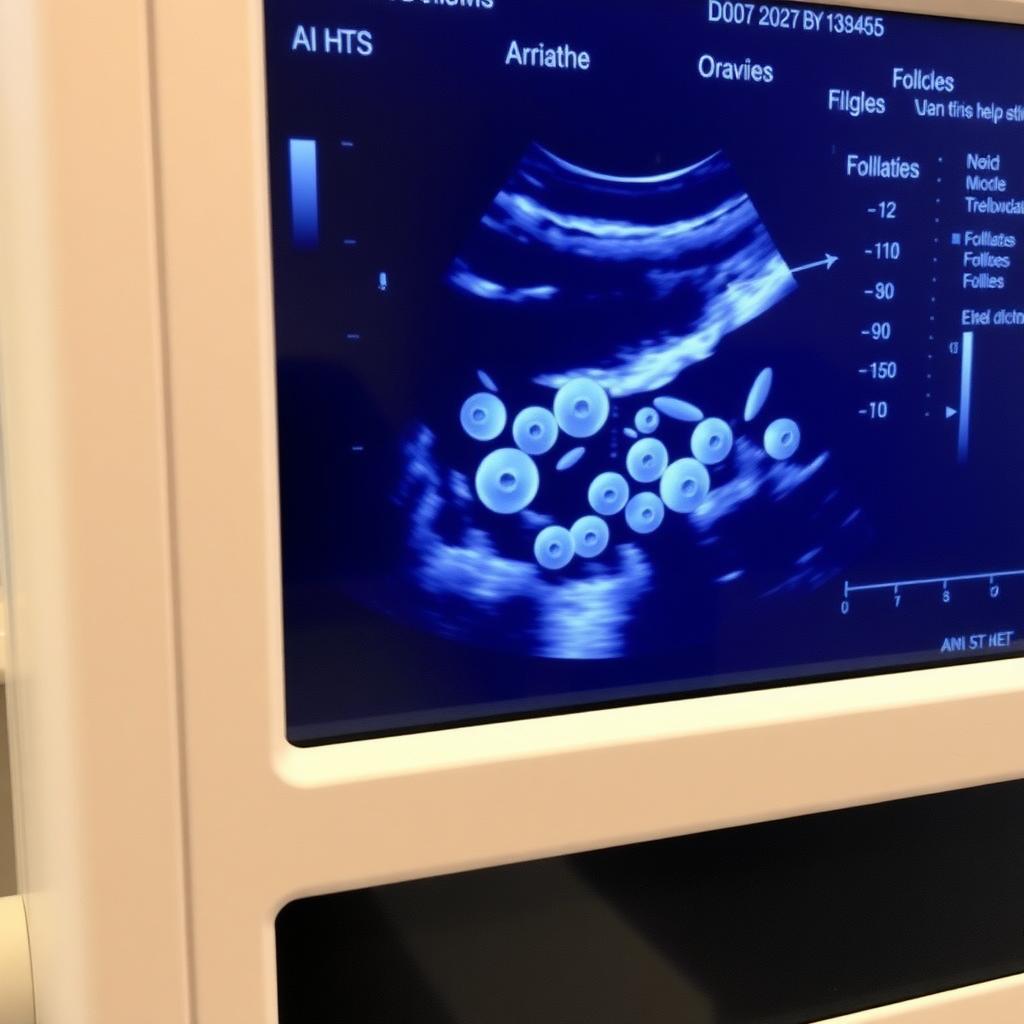
When your follicles are ready, you'll undergo the egg retrieval procedure. This is a minor surgical procedure performed under sedation, so you won't feel any pain.
The doctor uses a thin needle guided by ultrasound to collect the eggs from your ovaries. The entire process takes about 20-30 minutes.
After the procedure, you may experience some cramping or spotting, but most women recover quickly and can return to normal activities within a day or two.
"I was worried about the retrieval, but it was over before I knew it," says Maria, a 38-year-old teacher. "The staff made me feel so comfortable, and I was back at work the next day."

Once the eggs are retrieved, they are immediately taken to the lab for freezing. The most common method used today is vitrification, a fast-freezing technique that prevents ice crystals from forming and damaging the eggs.
This method has significantly improved the survival rates of frozen eggs.
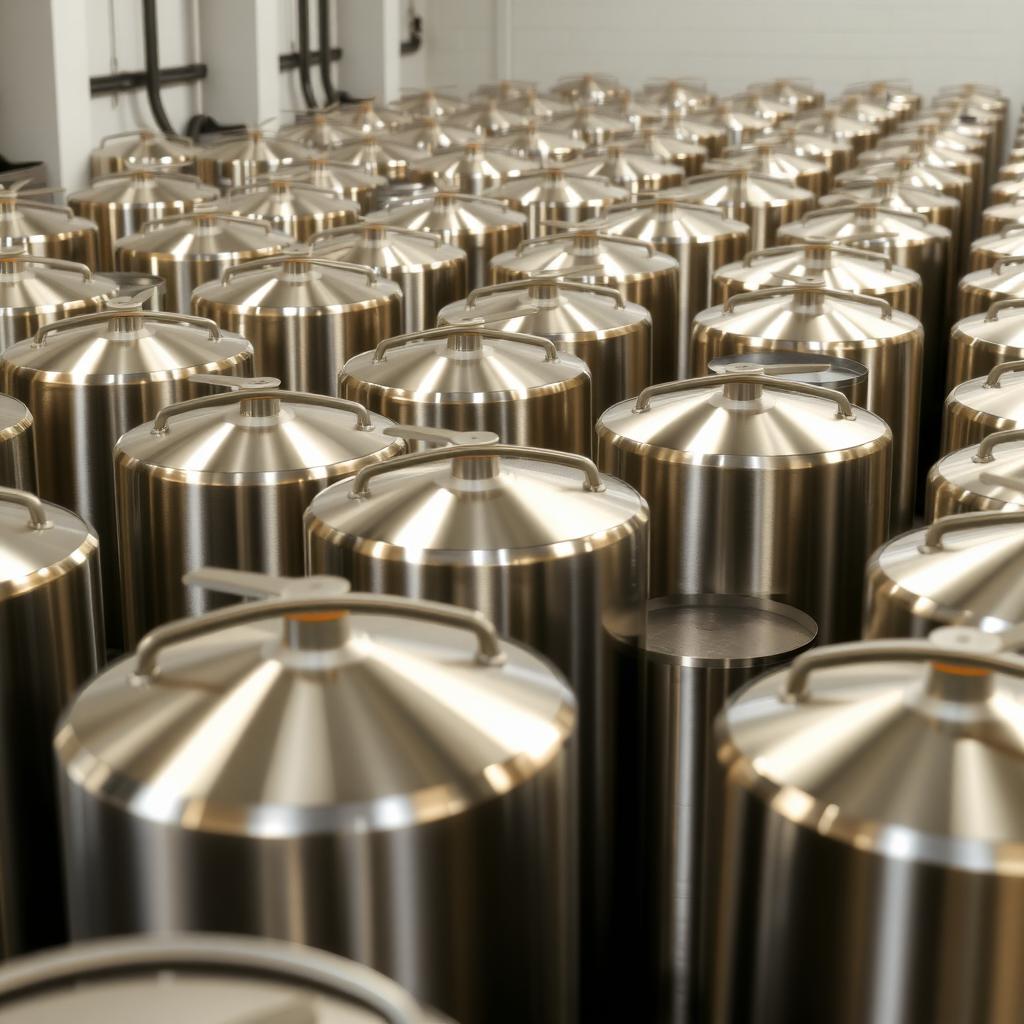
The eggs are then stored in liquid nitrogen tanks at very low temperatures until you're ready to use them.
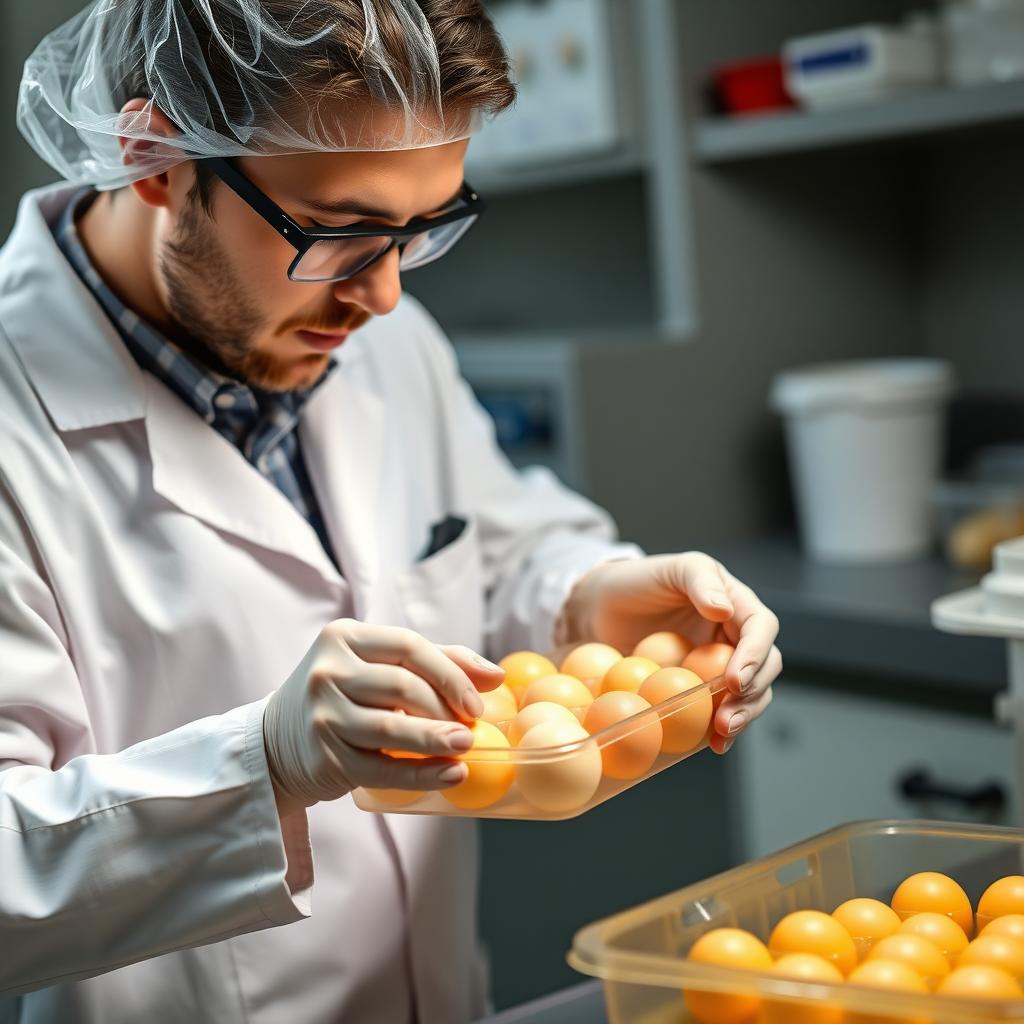
Your frozen eggs can be stored for many years without significant deterioration. When you're ready to use them, the eggs will be thawed, fertilized with sperm (either from a partner or donor), and the resulting embryos will be transferred to your uterus.
It's important to note that the success of using frozen eggs depends on several factors, including your age at the time of freezing and the number of eggs retrieved.
Yes, but it’s not a guarantee. The younger you are when you freeze your eggs, the better your chances. Here’s a quick look:
| Age When Freezing | Chance of a Baby per Egg |
|---|---|
| Under 35 | 10-15% |
| 35-37 | 8-10% |
| 38-40 | 5-8% |
| Over 40 | Less than 5% |
These numbers are averages—your doctor can give you a personal take. The American Society for Reproductive Medicine (ASRM) says it’s a solid option, but results vary.
Egg freezing isn’t cheap. Expect to pay $10,000 to $15,000 for one round, covering meds, visits, and the procedure. Then there’s storage—about $500 to $1,000 a year.
If it’s for medical reasons, like fertility preservation before chemotherapy, insurance might help. Check your plan to see.
Mostly, yes. The biggest risk is ovarian hyperstimulation syndrome (OHSS), where your ovaries overreact to the meds. It’s rare and treatable, though.
Other risks, like bleeding from retrieval, are low too.
This isn’t just about infertility—it’s about choice. Here’s why women do it:
- Life Goals: Maybe you’re chasing a degree or a big job and kids aren’t on the radar yet.
- Health Needs: Chemotherapy can hurt your eggs, so freezing them first is a smart move.
- Future Flexibility: It’s a backup plan if the timing isn’t right now.
"I froze my eggs at 30," says Tara, a chef. "It’s like insurance—I hope I won’t need it, but it’s there."

Egg freezing is a powerful tool for fertility preservation, offering women the chance to delay childbearing while keeping their options open. The process involves several steps—consultation, ovarian stimulation, monitoring, egg retrieval, freezing, and storage—but each step is designed to maximize your chances of success.
If you're considering egg freezing, the first step is to consult with a fertility specialist who can guide you through the process and help you make an informed decision.