Understanding Endometriosis: A Comprehensive Guide to Symptoms, Diagnosis, and Treatment
Aug. 28, 2025, 6:38 a.m.
Overview
Endometriosis affects about 1 in 10 women worldwide, yet it remains widely misunderstood. This chronic condition, where tissue similar to the uterine lining grows outside the uterus, causes pain, infertility, and emotional challenges. Understanding endometriosis is the first step toward managing its impact and exploring options like in vitro fertilization for those facing infertility.
What Is Endometriosis?
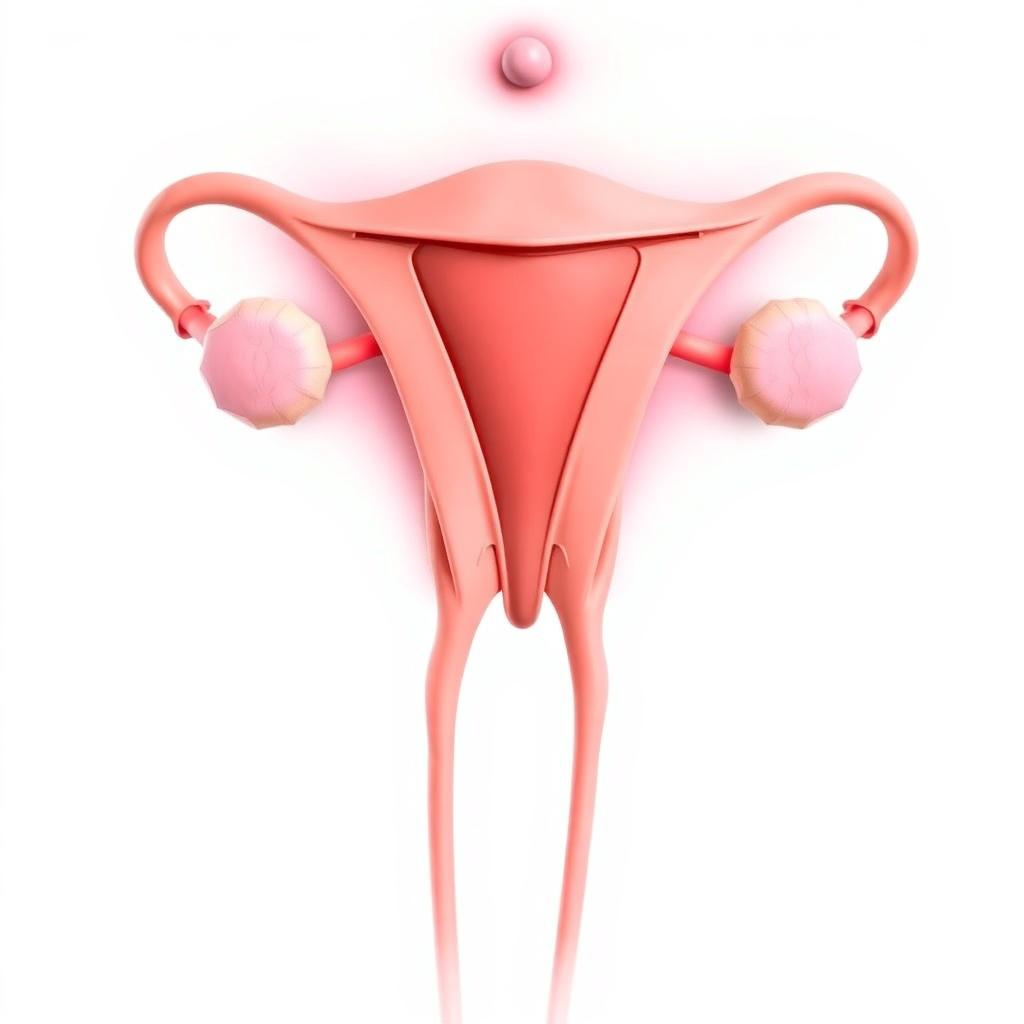
Endometriosis occurs when tissue resembling the endometrium, the lining of the uterus, grows in places it shouldn’t—like the ovaries, fallopian tubes, or even the intestines. Unlike normal endometrial tissue, which sheds during menstruation, this tissue has nowhere to go, leading to inflammation, scarring, and pain. According to the World Health Organization, over 190 million women are affected globally, and the condition often goes undiagnosed for years.
The cause of endometriosis isn’t fully understood, but theories point to genetics, hormonal imbalances, or retrograde menstruation—where menstrual blood flows backward into the pelvis. I’ve spoken with women who’ve described the frustration of living with unexplained pain for years, only to discover endometriosis after countless doctor visits. This delay in diagnosis can feel isolating, but it’s a shared experience for many.
Symptoms of Endometriosis
The symptoms of endometriosis vary widely, which makes it tricky to diagnose. Some women experience debilitating pain, while others have no symptoms but struggle with infertility. Common signs include:
- Pelvic Pain: Often worsening during periods or ovulation.
- Heavy Menstrual Bleeding: Excessive bleeding or clotting.
- Infertility: Up to 30-50% of women with endometriosis face fertility challenges, per the American College of Obstetricians and Gynecologists.
- Fatigue and Digestive Issues: Bloating, nausea, or pain during bowel movements.
- Pain During Intercourse: A frequent but often overlooked symptom.
I remember talking to a friend who described her periods as ‘like being stabbed in the pelvis.’ She thought it was normal until a fertility specialist for endometriosis helped her connect the dots. If you’re experiencing these symptoms, don’t dismiss them—track them and share them with a doctor.
Diagnosing Endometriosis
Diagnosing endometriosis often feels like solving a puzzle. Doctors typically start with a detailed medical history and pelvic exam. Imaging tests like ultrasounds or MRIs can help, but the gold standard is laparoscopy—a minimally invasive surgery where a camera checks for abnormal tissue. The Mayo Clinic notes that laparoscopy confirms the diagnosis and can sometimes treat the condition simultaneously.
The diagnostic process can be exhausting. One woman I know went through seven doctors before getting answers. Persistence is key—advocate for yourself and seek a specialist if your concerns aren’t being addressed. A fertility specialist for endometriosis can be particularly helpful if you’re trying to conceive.
Treatment Options for Endometriosis
There’s no cure for endometriosis, but treatments can manage symptoms and improve quality of life. Options include:
| Treatment Type | Description | Best For |
|---|---|---|
| Pain Medication | Over-the-counter drugs like ibuprofen or prescription pain relievers. | Mild symptoms. |
| Hormonal Therapy | Birth control pills, IUDs, or GnRH agonists to reduce tissue growth. | Pain management. |
| Surgery | Laparoscopic removal of endometrial tissue. | Severe cases or infertility. |
| Lifestyle Changes | Diet, exercise, and stress management to reduce inflammation. | Complementary support. |
Each option has pros and cons, and what works for one person may not work for another. For instance, hormonal therapy helped a colleague reduce her pain, but surgery was necessary to address her infertility.
The Benefits of In Vitro Fertilization for Infertility
For women with endometriosis facing infertility, in vitro fertilization (IVF) can be a game-changer. IVF involves fertilizing an egg with sperm in a lab and transferring the embryo to the uterus. The Cleveland Clinic reports that IVF success rates for women with endometriosis can be comparable to those without the condition, especially when guided by a fertility specialist.
IVF isn’t a one-size-fits-all solution, but its benefits are significant: - Bypasses Damaged Tissue: Endometriosis can scar fallopian tubes, but IVF avoids this by directly placing embryos in the uterus. - Customized Protocols: Fertility specialists tailor IVF to your specific needs, adjusting medications to optimize egg quality. - Higher Success Rates: For women under 35, IVF success rates can reach 40-50% per cycle.
I’ve seen the emotional rollercoaster of IVF through a family member’s journey. It’s not easy—physically or emotionally—but the possibility of starting a family kept her going.
Working with a Fertility Specialist
A fertility specialist for endometriosis is your ally in navigating both the condition and its impact on fertility. These experts understand how endometriosis affects egg quality, implantation, and pregnancy. They can recommend treatments like IVF or less invasive options like intrauterine insemination (IUI) based on your unique case.
Finding the right specialist is crucial. Look for someone board-certified in reproductive endocrinology with experience in endometriosis. Ask about their approach to IVF and how they handle complex cases. One patient I spoke with said her specialist’s empathy and clear communication made all the difference during her IVF journey.

Living with Endometriosis
Beyond medical treatments, lifestyle changes can help manage endometriosis. A diet rich in anti-inflammatory foods—like leafy greens, fatty fish, and nuts—may reduce symptoms. Regular exercise, even gentle yoga, can ease pain and improve mood. Support groups, both online and in-person, offer a space to share experiences and feel less alone.
Emotionally, endometriosis can take a toll. I’ve heard stories of women feeling dismissed by doctors or misunderstood by loved ones. Counseling or therapy can help you process these feelings and build resilience. You’re not alone, and your pain is valid.
Summary
Understanding endometriosis is about recognizing its challenges and exploring solutions like pain management, surgery, or in vitro fertilization. By working with a fertility specialist and making informed choices, you can take control of your health and fertility. Stay proactive, seek support, and don’t hesitate to advocate for the care you deserve.