The Fertility Handbook: A Guide to Getting Pregnant – Your Path to Parenthood
Aug. 26, 2025, 6:40 a.m.
Overview: Your Roadmap to Conception
Trying to conceive can feel like navigating uncharted waters. The Fertility Handbook: A Guide to Getting Pregnant by Jorge Chavarro, Walter C. Willett, and Patrick J. Skerrett offers a science-backed, practical guide to boost your chances of pregnancy. This article dives into the book’s key strategies, from fertility-friendly diets to stress-reducing mindfulness techniques, blending personal insights with actionable advice to help you on your journey to parenthood.
Why The Fertility Handbook Stands Out
When I first picked up The Fertility Handbook: A Guide to Getting Pregnant, I was struck by its approachable tone. Unlike many medical texts that feel overwhelming, this book breaks down complex research into clear, actionable steps. Based on the landmark Nurses’ Health Study, which tracked nearly 20,000 women, it highlights how diet, lifestyle, and mental well-being can significantly impact fertility. The authors, experts from Harvard, emphasize small changes that make a big difference, which resonated with me as someone who values practical solutions over quick fixes.
Top Foods to Boost Your Fertility Naturally
One of the book’s core focuses is nutrition. The authors stress that what you eat can directly influence your reproductive health. They advocate for a diet rich in whole foods, leaning heavily on the Mediterranean diet model. Here are some top foods to boost your fertility naturally, as recommended in the book:
- Beans and Lentils: Packed with fiber and protein, these support ovulation by stabilizing blood sugar and reducing insulin resistance, which can disrupt hormonal balance.
- Walnuts: Rich in omega-3 fatty acids and vitamin E, walnuts improve sperm quality in men and support ovulation in women.
- Full-Fat Dairy: Studies cited in the book show that full-fat dairy, like Greek yogurt, is linked to lower risks of ovulatory infertility compared to low-fat options.
- Citrus Fruits: High in vitamin C and polyamines, these fruits enhance sperm health and support reproductive processes.
- Salmon: A great source of omega-3s and vitamin D, salmon promotes healthy egg development and fetal growth.
The book also warns against trans fats, found in processed foods, which can increase ovulatory infertility risk by up to 70%, according to a Harvard study on diet and fertility. Avoiding sugary drinks and fast food is equally critical, as these can delay conception.
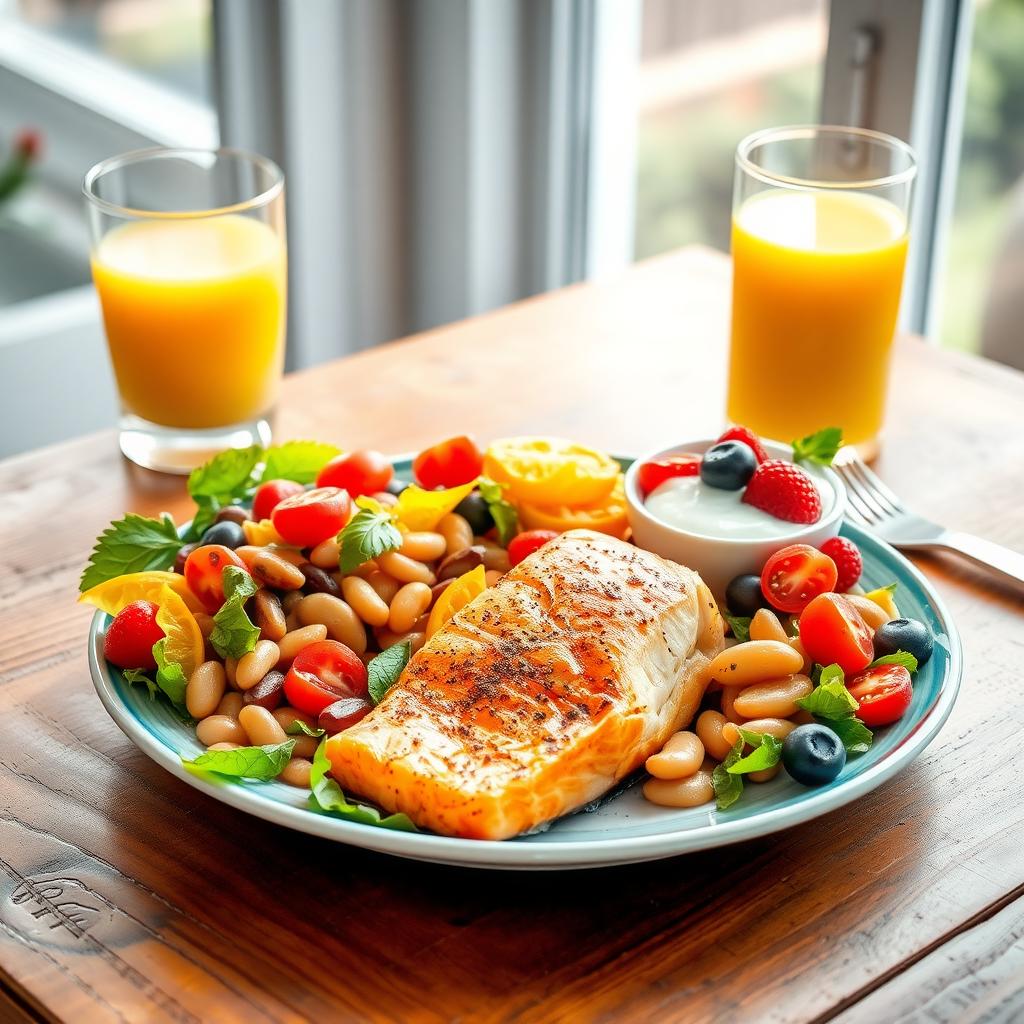
Fertility-Friendly Recipes for Every Meal
The Fertility Handbook includes a week’s worth of fertility-friendly recipes for every meal, making it easy to incorporate these foods into your routine. I tried their recipe for a walnut-crusted salmon with quinoa and kale salad, and it was a game-changer—simple, delicious, and packed with fertility-boosting nutrients. Here’s a sample meal plan inspired by the book:
| Meal | Recipe Idea | Key Fertility Benefit |
|---|---|---|
| Breakfast | Greek yogurt with berries and walnuts | Antioxidants and omega-3s support ovulation |
| Lunch | Lentil and spinach soup with whole-grain bread | Folate and fiber stabilize hormones |
| Dinner | Grilled salmon with roasted sweet potatoes | Omega-3s and beta-carotene boost egg health |
| Snack | Citrus fruit smoothie with chia seeds | Vitamin C and polyamines enhance fertility |
These recipes aren’t just healthy—they’re designed to optimize your body for conception. The book emphasizes variety and balance, encouraging you to enjoy meals socially to reduce stress, which brings us to the next key strategy.
Mindfulness Techniques to Reduce Stress and Improve Fertility
Stress can wreak havoc on your hormones, potentially delaying conception by up to 29%, according to research from the American Society for Reproductive Medicine. The Fertility Handbook dedicates a section to mindfulness techniques to reduce stress and improve fertility. I’ve personally found mindfulness to be a lifeline during my own fertility journey. The book suggests:
- Mindfulness Meditation: Spend 5-10 minutes daily focusing on your breath to calm your nervous system.
- Deep Breathing Exercises: Practice diaphragmatic breathing to lower cortisol levels, which can disrupt ovulation.
- Gentle Yoga: Poses like child’s pose or cat-cow can ease tension and promote relaxation.
- Journaling: Write down your thoughts to process emotions and reduce anxiety.
I started journaling after reading the book, and it helped me release the pressure of tracking ovulation cycles. The authors also recommend professional counseling if stress feels overwhelming, a tip I found invaluable when navigating the emotional rollercoaster of trying to conceive.

Lifestyle Changes to Boost Fertility Naturally
Beyond diet and mindfulness, The Fertility Handbook emphasizes lifestyle changes to boost fertility naturally. These adjustments can feel daunting, but the book makes them approachable. Here are some key changes it recommends:
- Maintain a Healthy Weight: Both underweight and overweight conditions can disrupt ovulation. A study from UCLA Health notes that losing just 5% of body weight can improve fertility outcomes.
- Limit Caffeine and Alcohol: Keep caffeine to 1-2 cups of coffee daily and avoid alcohol when trying to conceive.
- Quit Smoking: Smoking reduces fertility in both men and women, impacting sperm quality and egg health.
- Exercise Moderately: Activities like walking or swimming boost circulation without overtaxing your body.
- Sleep Well: Aim for 7-9 hours of quality sleep to regulate hormones like estrogen and progesterone.
When I cut back on late-night scrolling and prioritized sleep, I noticed my cycles became more regular. The book’s holistic approach—combining diet, stress management, and lifestyle—felt like a blueprint for not just fertility but overall well-being.
Personal Insights: My Journey with The Handbook
What I love about The Fertility Handbook is its balance of science and empathy. As someone who’s been trying to conceive for over a year, I felt seen by the authors’ acknowledgment that fertility struggles are both physical and emotional. Their advice to involve both partners in dietary and lifestyle changes was a lightbulb moment—my husband started eating more walnuts and salmon, and we both felt more connected in the process. The book’s focus on small, sustainable changes made it less overwhelming than other fertility guides I’ve read.

Putting It All Together: Your Fertility Plan
The Fertility Handbook: A Guide to Getting Pregnant isn’t just a book—it’s a roadmap. By combining top foods to boost your fertility naturally, fertility-friendly recipes for every meal, mindfulness techniques to reduce stress and improve fertility, and lifestyle changes to boost fertility naturally, it offers a comprehensive approach to conception. Start with one or two changes, like adding lentils to your meals or trying a 5-minute meditation. Over time, these small steps can create an optimal environment for pregnancy.
If you’re struggling, the book also encourages consulting a healthcare provider to rule out underlying issues like PCOS or low sperm count. This blend of self-help and professional guidance makes it a standout resource for anyone on the fertility journey.
Summary
The Fertility Handbook: A Guide to Getting Pregnant empowers you with practical, research-backed strategies to enhance your fertility. From nutrient-rich foods and stress-relieving mindfulness to simple lifestyle tweaks, it offers a holistic path to conception. Start small, stay consistent, and consult a professional if needed—your journey to parenthood is within reach.