Exploring the CDC ART Data Tool: Insights into In Vitro Fertilization and Multiple Pregnancies
Aug. 24, 2025, 6:36 a.m.
Overview
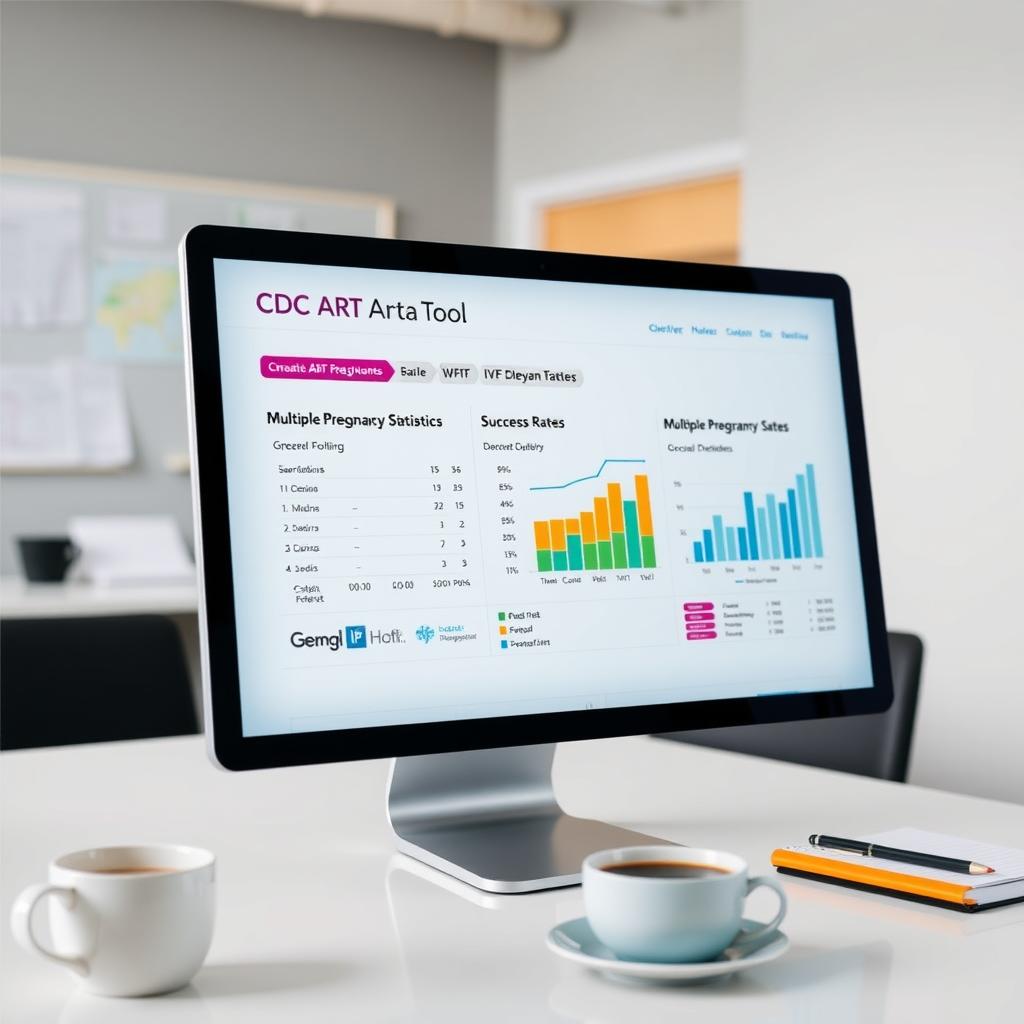
The CDC ART Data Tool, accessible at https://www.cdc.gov/art/artdata, is a powerful resource for understanding trends in assisted reproductive technology (ART), particularly in vitro fertilization (IVF). It offers detailed data on infertility treatments, success rates, and outcomes like multiple pregnancies, helping patients and professionals make informed decisions.
What Is the CDC ART Data Tool?
The CDC ART Data Tool is an online platform maintained by the Centers for Disease Control and Prevention (CDC). It compiles data from the National ART Surveillance System (NASS), which tracks ART procedures across the United States. This tool is a goldmine for anyone wanting to dive into the numbers behind infertility treatments. Whether you're a hopeful parent exploring IVF or a researcher studying fertility trends, this tool provides clear, reliable data.
The platform includes information on ART cycles, success rates, and outcomes like single or multiple births. It’s designed to be user-friendly, letting you filter data by year, state, or clinic. This transparency helps demystify the often complex world of fertility treatments.
Why the CDC ART Data Tool Matters
Infertility affects millions of people, with about 1 in 8 couples in the U.S. struggling to conceive, according to the CDC’s infertility statistics. The ART Data Tool sheds light on how in vitro fertilization and other treatments are helping. It’s not just numbers—it’s a window into hope, challenges, and outcomes for families.
The tool’s data comes from nearly all ART clinics in the U.S., making it one of the most comprehensive sources available. For example, in 2021, over 400 clinics reported more than 200,000 ART cycles, resulting in around 86,000 live births. These figures show both the scale of IVF use and its impact.
Understanding In Vitro Fertilization and Multiple Pregnancies
In vitro fertilization involves fertilizing an egg with sperm outside the body, then transferring the embryo to the uterus. While IVF has revolutionized infertility treatment, it comes with risks, like multiple pregnancies (twins, triplets, or more). Multiple pregnancies can lead to complications, such as preterm birth or low birth weight, which the CDC ART Data Tool tracks closely.
The tool shows that in 2021, about 15% of ART pregnancies resulted in multiple births, down from a peak of 34.9 per 1,000 live births in 2009 [Web ID: 15]. This decline reflects improvements in IVF techniques, like transferring fewer embryos to reduce risks. For patients, this data is crucial when weighing the pros and cons of treatment options.
How to Use the CDC ART Data Tool
Using the tool is straightforward, even if you’re not a data expert. Here’s a quick guide:
- Visit the Site: Head to https://www.cdc.gov/art/artdata.
- Select Filters: Choose a year, state, or specific clinic to narrow your search.
- Explore Metrics: Look at success rates, number of cycles, or outcomes like singleton vs. multiple births.
- Download Reports: The tool offers downloadable PDFs for deeper analysis.
For example, you can compare success rates between clinics in your state or see how age impacts IVF outcomes. This empowers patients to choose clinics wisely and understand their chances.

Key Insights from the Data
The CDC ART Data Tool reveals trends that can guide decisions. Here are some standout findings:
| Metric | 2021 Data |
|---|---|
| Total ART Cycles | 207,795 |
| Live Births | 86,146 |
| Multiple Birth Rate | 15% |
| Average Maternal Age | 35.1 years |
- Age Matters: Success rates drop as maternal age rises, with women under 35 having a 40% live birth rate per cycle, compared to 12% for those over 40.
- Clinic Performance: Success rates vary widely between clinics, so researching specific facilities is key.
- Multiple Pregnancies: Advances in single embryo transfer have lowered the multiple birth rate, improving safety.
These insights help patients set realistic expectations and prompt clinics to refine their practices [Web ID: 1].
Challenges and Limitations
While the CDC ART Data Tool is invaluable, it’s not perfect. It doesn’t capture every detail, like the emotional or financial toll of IVF. The data also focuses on live births, not pregnancy losses, which can be significant—about 30% of ART pregnancies may end in miscarriage or stillbirth [Web ID: 19]. Patients need to combine this data with personal research and consultations with fertility specialists.
Another limitation is that the tool reports clinic-level data, not individual patient experiences. Success rates can be skewed by factors like patient selection or clinic size. Still, the tool’s transparency is a big step forward.
Personal Perspective: Why This Data Resonates
As someone who’s seen friends navigate the rollercoaster of infertility, I know how overwhelming the journey can be. The CDC ART Data Tool feels like a lifeline—a way to cut through the uncertainty with hard facts. When a close friend was choosing an IVF clinic, she used the tool to compare success rates and found a clinic with a strong track record for her age group. That choice led to her now-thriving twins. Data doesn’t tell the whole story, but it can light the way.
For researchers, the tool is equally powerful. It’s a chance to spot trends, like the decline in multiple pregnancies, and push for safer, more effective treatments. It’s a reminder that behind every statistic is a family hoping for a miracle.

Practical Tips for Using the Tool
Here’s how to make the most of the CDC ART Data Tool:
- Start with Your Needs: Are you looking for clinic success rates or general trends? Focus your search accordingly.
- Compare Clinics: Use the tool to see how clinics in your area stack up. Look at live birth rates and multiple pregnancy rates.
- Check Age-Specific Data: Success varies by age, so filter for your age group.
- Talk to Experts: Pair the data with advice from a fertility specialist for a fuller picture.
- Stay Updated: The CDC updates the tool annually, so check for the latest data.
This approach helped my friend narrow down her options and feel confident in her IVF journey. It’s about blending data with personal goals.
The Bigger Picture
The CDC ART Data Tool isn’t just about numbers—it’s about empowering people. For those facing infertility, it offers clarity in a process that can feel chaotic. For clinics, it’s a benchmark to improve care. And for policymakers, it highlights where resources are needed, like reducing the risks of multiple pregnancies.
By making this data public, the CDC fosters trust and accountability in the fertility industry. It’s a tool that bridges hope and reality, helping countless families build their futures.
Summary
The CDC ART Data Tool, found at https://www.cdc.gov/art/artdata, is a vital resource for understanding in vitro fertilization and multiple pregnancies. It provides detailed, reliable data on ART outcomes, helping patients choose clinics and researchers track trends. While it has limitations, its transparency empowers those navigating infertility. Dive into the tool to make informed choices on your fertility journey.