How to Prepare for Your First IVF Cycle: A Comprehensive Guide
Aug. 22, 2025, 6:39 a.m.
Starting your first in vitro fertilization (IVF) cycle is a big step. It’s a journey filled with hope, anticipation, and a fair share of nerves. Whether you’ve been trying to conceive for years or are exploring IVF due to specific medical challenges, preparation is key to feeling empowered. This guide on How to Prepare for Your First IVF Cycle breaks down the process into manageable steps, offering practical advice and personal insights to help you approach it with confidence.
IVF involves several stages: ovarian stimulation, egg retrieval, fertilization, and embryo transfer. Each step requires physical, emotional, and logistical preparation. By understanding what’s ahead, you can reduce stress and focus on what matters most—building your family. Let’s dive into the essentials of preparing for your first IVF cycle.
Understanding Your IVF Timeline
Before starting, meet with your fertility specialist to map out your cycle. Most IVF cycles take about 4-6 weeks from the start of medications to embryo transfer. Your doctor will create a personalized protocol based on your medical history, age, and fertility challenges. Ask questions about each phase—knowing the ‘why’ behind each step can ease anxiety.
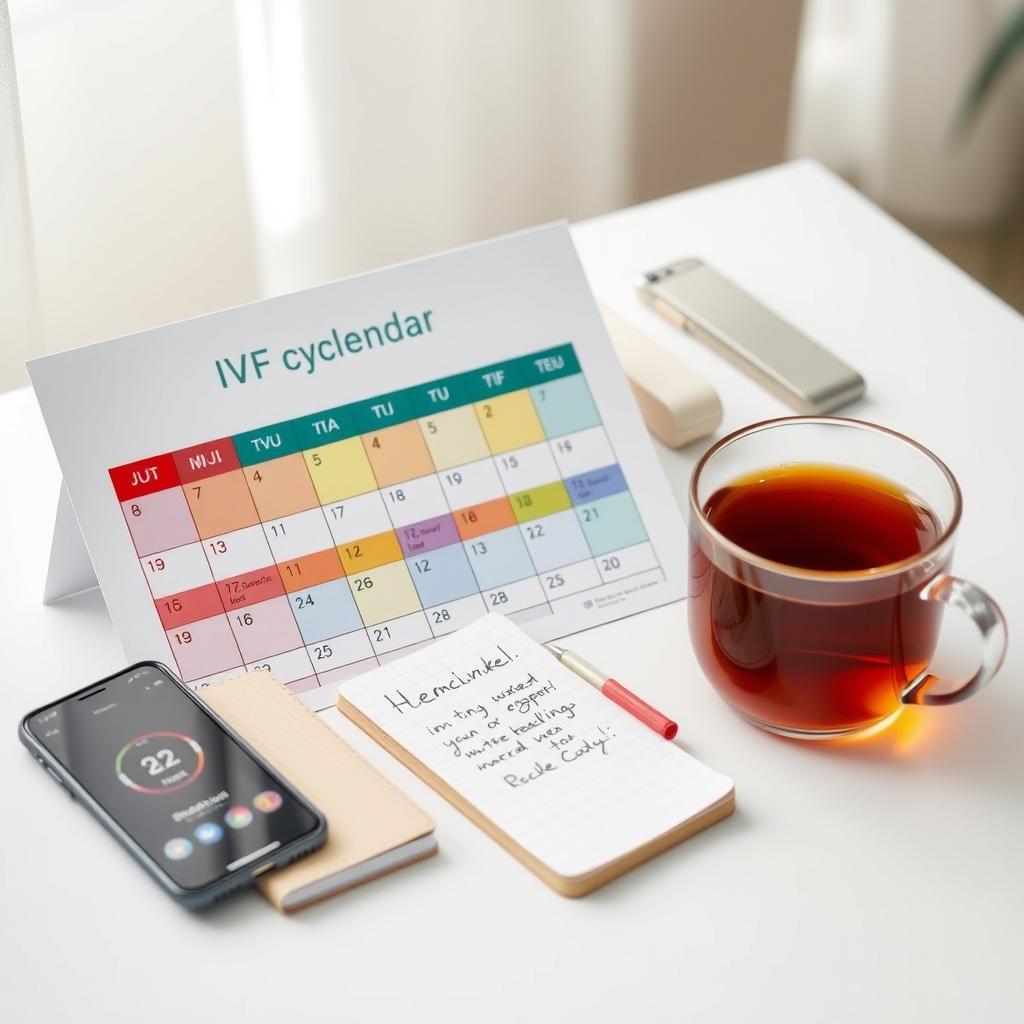
Your clinic will provide a detailed calendar outlining when to take medications, attend appointments, and undergo procedures. Keep this calendar handy, perhaps on your fridge or in a digital app, to stay organized. Missing a dose or appointment can disrupt the cycle, so set reminders and lean on a partner or friend for support.
Understanding Fertility Medications
A critical part of IVF is Understanding Fertility Medications. These drugs stimulate your ovaries to produce multiple eggs, increasing the chances of a successful cycle. Common medications include gonadotropins (like Follistim or Gonal-F), which encourage egg growth, and drugs like Lupron to prevent premature ovulation. Each medication has a specific role, and your doctor will tailor the regimen to your needs.
You’ll likely need to inject these medications daily for 8-14 days. The idea of self-injections can feel daunting, but most people get the hang of it quickly. IVF medication injection tips include icing the injection site to numb it, rotating sites (like your abdomen or thigh) to avoid soreness, and watching instructional videos from your clinic. For detailed guidance, the American Society for Reproductive Medicine offers excellent resources on medication protocols.
Side effects like bloating, mood swings, or mild discomfort are common. Keep a journal to track how you feel and report any severe symptoms to your doctor. Staying hydrated and eating a balanced diet can help manage side effects. Avoid drastic changes to your routine, like starting a new intense workout, as your body is already working hard.
Preparing Your Body
Your physical health plays a big role in IVF success. Start by eating nutrient-rich foods—think leafy greens, lean proteins, and whole grains. A 2021 study from Harvard Medical School suggests that diets high in folate and omega-3 fatty acids may support fertility. Avoid processed foods and limit caffeine and alcohol.
Light exercise, like walking or yoga, can reduce stress and keep you healthy without overtaxing your body. Quit smoking if you haven’t already, as it can lower IVF success rates. Your partner should also focus on their health—sperm quality matters, too. Consider a preconception checkup to optimize both of your health profiles.

Emotional Support During IVF
IVF can feel like an emotional rollercoaster. The highs of hope and lows of uncertainty can be exhausting. Emotional Support During IVF is crucial. Share your feelings with your partner, a trusted friend, or a therapist. Many clinics offer counseling services, and joining a support group can connect you with others who get it.
Online communities, like those on Resolve: The National Infertility Association, provide a space to share experiences and tips. Practice self-care—whether it’s journaling, meditating, or taking a quiet walk. It’s okay to set boundaries with family or friends who may not understand the process. Protect your mental health by focusing on what brings you peace.
My friend Sarah, who went through IVF last year, shared that keeping a gratitude journal helped her stay grounded. Each night, she wrote down one thing she was thankful for, even on tough days. Small rituals like this can make a big difference.
Practical Tips for IVF Medication Injections
Mastering IVF medication injections takes practice but gets easier. Here are some tips: - Set up a routine: Inject at the same time each day to stay consistent. - Organize supplies: Keep needles, syringes, and medications in a dedicated box. - Ask for help: If injections scare you, ask your partner or a nurse to assist. - Stay calm: Take deep breaths and distract yourself with music or a podcast. Your clinic will likely offer training sessions, and YouTube tutorials from reputable sources can reinforce what you learn.
If you’re nervous, practice with a nurse or watch videos from Fertility and Sterility, a trusted journal with patient-friendly resources. Mistakes happen—don’t panic if you miss a dose slightly. Call your clinic for guidance.

Financial and Logistical Planning
IVF can be expensive, with costs ranging from $12,000 to $20,000 per cycle in the U.S., depending on your clinic and insurance. Check if your insurance covers any part of the process, like medications or monitoring. Some employers offer fertility benefits—ask your HR department. Grants from organizations like BabyQuest Foundation can also help.
Plan for time off work, especially for egg retrieval and embryo transfer. These procedures may require a day or two of rest. Arrange transportation, as you’ll need someone to drive you home after retrieval due to anesthesia. Stock your home with easy meals and comfort items for recovery days.
Building a Support System
You don’t have to go through IVF alone. Involve your partner in appointments and decisions—they’re on this journey, too. If you’re single, lean on close friends or family. Communicate openly about what you need, whether it’s a listening ear or help with errands.
Consider working with a fertility coach or counselor who specializes in IVF. They can offer strategies to cope with stress and keep you focused. My cousin, who went through two cycles, said her coach helped her reframe setbacks as part of the process, not failures.
What to Expect After Starting
Once your cycle begins, you’ll have frequent clinic visits for ultrasounds and bloodwork to monitor your progress. These appointments can feel intense, but they ensure your medications are working. Stay patient—every step is moving you closer to your goal.
Egg retrieval is a short procedure under sedation, and you may feel cramping afterward. Embryo transfer is simpler, often feeling like a routine gynecological exam. After the transfer, you’ll wait about 10-14 days for a pregnancy test. This ‘two-week wait’ can be the hardest part, so plan distractions like light hobbies or binge-worthy shows.
Summary
Preparing for your first IVF cycle involves understanding the process, taking care of your body, and building a strong support system. From mastering IVF medication injections to seeking Emotional Support During IVF, small steps can make a big difference. Stay organized, communicate with your doctor, and give yourself grace. You’re taking a brave step toward your future.