In Vitro Fertilization for Single Women: A Path to Motherhood
Aug. 22, 2025, 5:20 p.m.
Overview
In Vitro Fertilization (IVF) offers single women a chance to become mothers, even without a partner. This medical process helps overcome infertility challenges, empowering women to build families on their own terms. This article dives into the IVF journey, sharing insights, costs, and emotional experiences for single women.
Understanding IVF for Single Women
In Vitro Fertilization, commonly called IVF, is a fertility treatment where eggs are retrieved from a woman’s ovaries, fertilized with sperm in a lab, and then transferred to the uterus. For single women, IVF often involves donor sperm, making it a viable option for those facing infertility or choosing solo parenthood. The process is complex but has helped thousands achieve motherhood.
Single women considering IVF often face unique decisions. Unlike couples, they must select a sperm donor, which can feel overwhelming. Clinics offer donor profiles detailing traits like physical characteristics, education, and health history. Choosing a donor is deeply personal, and many women reflect on what qualities matter most for their future child.

The IVF Process: Step by Step
The IVF journey involves several stages, each requiring patience and preparation. Here’s a breakdown of the process:
- Ovarian Stimulation: You’ll take hormone injections for 8-14 days to stimulate your ovaries to produce multiple eggs. Regular ultrasounds and blood tests monitor progress.
- Egg Retrieval: A minor surgical procedure retrieves mature eggs from your ovaries under sedation.
- Fertilization: Eggs are combined with donor sperm in a lab. Embryologists monitor embryo development over a few days.
- Embryo Transfer: One or more embryos are placed in your uterus, typically 3-5 days after fertilization.
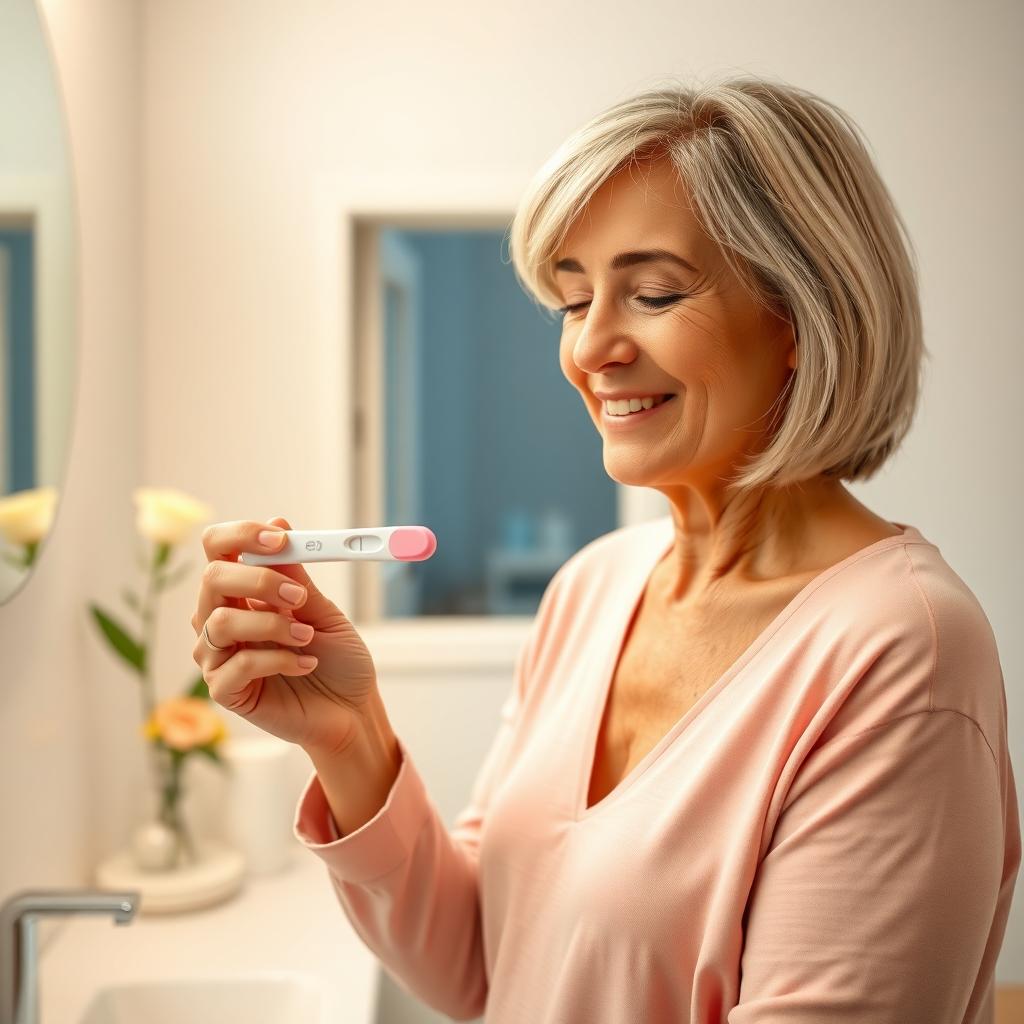
- Waiting Period: About two weeks later, a pregnancy test confirms if the process was successful.
For single women, choosing a sperm donor adds an extra step. Reputable clinics provide access to sperm banks with detailed donor profiles. Some women prefer anonymous donors, while others opt for known donors, depending on their comfort and future plans.
Emotional Journey of IVF
Pursuing IVF as a single woman can be an emotional rollercoaster. The decision to become a solo parent often comes with excitement but also moments of doubt. Many women describe feeling empowered yet vulnerable, as they navigate medical appointments and big choices alone.
For example, Sarah, a 34-year-old teacher, shared her story: “I always wanted to be a mom, but I didn’t want to wait for a partner. IVF gave me hope, but the process was intense. I leaned on friends and a therapist to cope with the stress.” Stories like Sarah’s highlight the importance of building a support network. Joining online forums or local support groups can connect you with others who understand the journey.
It’s normal to feel a mix of hope, fear, and anticipation. Acknowledging these emotions and seeking support—whether through counseling or loved ones—can make the process more manageable.

Costs and Financial Planning
IVF can be expensive, with costs varying by location and clinic. In the U.S., a single IVF cycle typically ranges from $12,000 to $20,000, excluding medications ($3,000-$5,000) and donor sperm ($500-$1,500 per vial). For single women, budgeting for multiple cycles may be necessary, as success isn’t guaranteed on the first try.
Here’s a table summarizing potential costs:
| Item | Estimated Cost |
|---|---|
| IVF Cycle | $12,000 - $20,000 |
| Medications | $3,000 - $5,000 |
| Donor Sperm (per vial) | $500 - $1,500 |
| Embryo Freezing (annual) | $500 - $1,000 |
Some insurance plans cover parts of IVF, but coverage varies widely. Single women should research grants, such as those from the Baby Quest Foundation, or financing options offered by clinics. Planning ahead and exploring all financial resources can ease the burden.
Success Rates and Expectations
IVF success rates depend on factors like age, health, and the quality of the embryos. For women under 35, the live birth rate per cycle is about 40-50%, according to the CDC. Success rates drop with age, but advancements in technology, like preimplantation genetic testing, can improve outcomes.
Single women should set realistic expectations. It may take multiple cycles to achieve pregnancy, and not every cycle results in a live birth. Discussing success rates with your doctor can help you understand your specific chances based on your health and circumstances.
Challenges and Considerations
IVF for single women comes with unique challenges. Beyond the financial cost, the physical toll of hormone treatments and procedures can be exhausting. Emotionally, the process can feel isolating, especially without a partner to share the journey. Some women also face societal judgment for choosing solo parenthood, though attitudes are shifting.
Another consideration is future planning. Will you use an anonymous or known donor? How will you discuss your child’s origins with them? These questions require thoughtful reflection. Consulting a fertility counselor can help you navigate these decisions.
Despite the challenges, many women find the journey rewarding. The freedom to create a family on your own terms is empowering, and the joy of motherhood often outweighs the hardships.
Tips for Single Women Considering IVF
If you’re thinking about IVF, here are practical steps to prepare:
- Research Clinics: Look for fertility clinics with high success rates and experience with single women. The Society for Assisted Reproductive Technology offers a database to compare clinics.
- Build a Support System: Connect with friends, family, or support groups to share your journey.
- Understand Your Finances: Explore insurance, grants, or payment plans to manage costs.
- Prioritize Self-Care: IVF is demanding, so focus on healthy eating, exercise, and mental health.
- Ask Questions: Don’t hesitate to discuss concerns with your doctor, from donor selection to success rates.
Taking these steps can make the process feel less daunting and more empowering.
Summary
In Vitro Fertilization for single women opens the door to motherhood, offering hope to those facing infertility or choosing solo parenthood. The journey involves medical, emotional, and financial challenges, but with preparation and support, it’s a path many women navigate successfully. By understanding the process, costs, and emotional landscape, you can make informed decisions and embrace the possibility of building your family.