Managing PCOS: Diet and Lifestyle Tips for Hormonal Balance
Aug. 22, 2025, 6:40 a.m.
Overview
Polycystic Ovary Syndrome (PCOS) affects millions of women worldwide, causing hormonal imbalances that can disrupt daily life. Managing PCOS: Diet and Lifestyle Tips offers a roadmap to regain control. From dietary changes to stress management, small steps can make a big difference in symptom relief and overall health.
Understanding PCOS: Symptoms and Management
PCOS is a hormonal disorder that impacts women during their reproductive years. It’s characterized by irregular periods, excess androgen (male hormones), and polycystic ovaries. Symptoms vary widely, from acne and weight gain to infertility and mood swings. For many, the diagnosis feels overwhelming, but understanding the condition is the first step toward effective management.
I remember my own diagnosis at 25. The irregular cycles and stubborn weight gain felt like a mystery until my reproductive endocrinologist specializing in PCOS explained how hormonal imbalances were at play. It wasn’t just about my ovaries—it affected my energy, skin, and even my confidence. That’s when I realized lifestyle changes could be a game-changer.
Understanding Hormonal Imbalances in Women
Hormonal imbalances in PCOS stem from elevated androgens and insulin resistance, which affects about 70% of women with the condition. Insulin resistance can lead to weight gain, while high androgens cause symptoms like hirsutism (excess hair growth) and acne. These imbalances disrupt ovulation, making fertility a challenge for some.
A reproductive endocrinologist can help tailor treatments, but lifestyle plays a huge role. By addressing diet, exercise, and stress, you can influence how your body responds to these imbalances. It’s not about quick fixes—it’s about consistent, sustainable changes.
Dietary Strategies for Managing PCOS
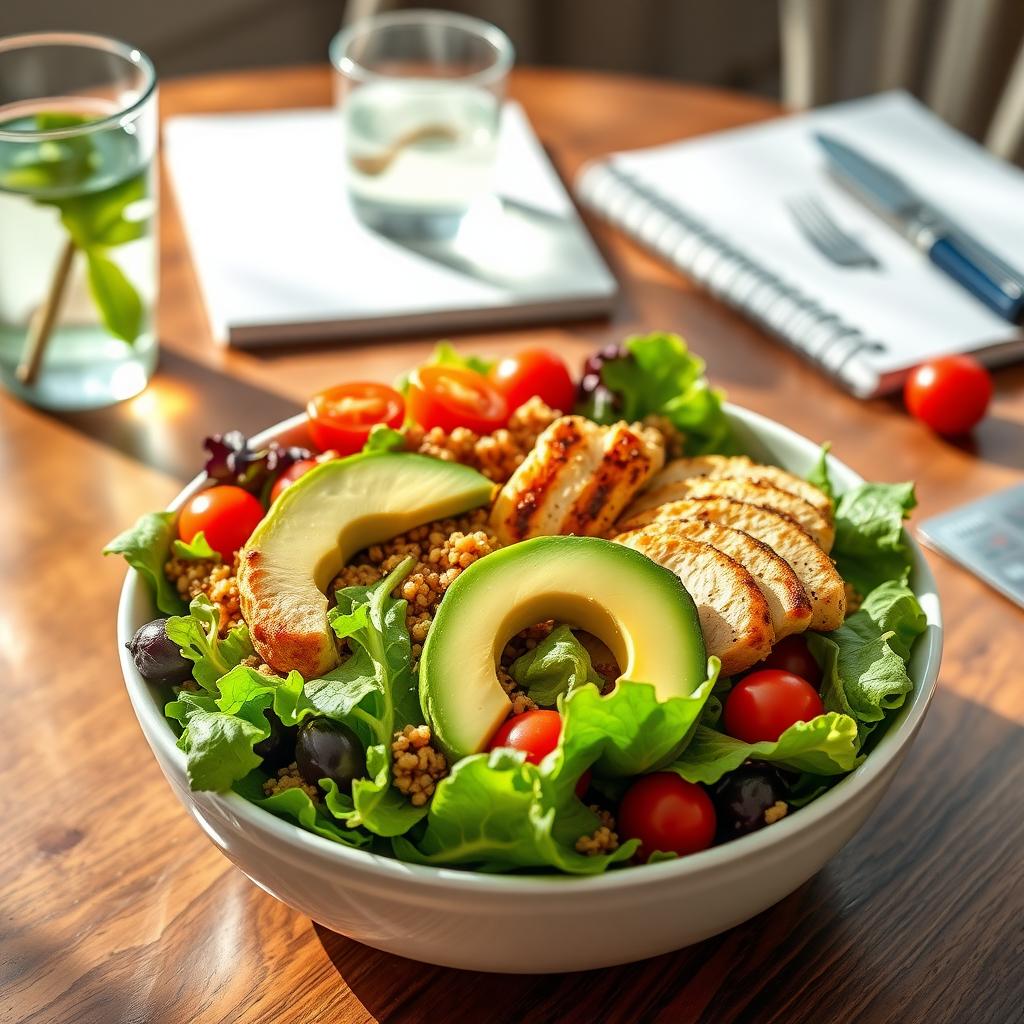
Diet is a cornerstone of managing PCOS. Since insulin resistance is common, focusing on low-glycemic foods helps stabilize blood sugar. Think whole grains, lean proteins, and plenty of vegetables. Avoid processed carbs and sugary drinks, which can spike insulin and worsen symptoms.
Here’s a simple guide to building a PCOS-friendly plate:
| Food Group | Examples | Why It Helps |
|---|---|---|
| Lean Proteins | Chicken, fish, tofu | Stabilizes blood sugar |
| Healthy Fats | Avocado, nuts, olive oil | Reduces inflammation |
| Low-GI Carbs | Quinoa, sweet potatoes | Prevents insulin spikes |
| Fiber-Rich Veggies | Spinach, broccoli | Supports digestion and fullness |
Personally, swapping white bread for whole-grain options and adding more veggies like spinach to my meals made a noticeable difference in my energy levels. It took trial and error, but finding what worked for my body was empowering.
Anti-inflammatory foods, like fatty fish (salmon, mackerel) and berries, can also help. Studies, like one from the Journal of Clinical Endocrinology & Metabolism (source), suggest that omega-3 fatty acids may reduce androgen levels in women with PCOS. Aim for 2-3 servings of fish weekly or consider a high-quality fish oil supplement after consulting your doctor.

Exercise: Moving for Better Health
Exercise doesn’t have to mean hours at the gym. For PCOS, a mix of strength training and moderate cardio can improve insulin sensitivity and boost mood. Aim for 150 minutes of moderate exercise per week, like brisk walking, cycling, or swimming.
Strength training, in particular, helps build muscle, which burns more calories and supports metabolic health. I started with bodyweight exercises like squats and push-ups at home. Over time, I felt stronger and noticed my cycles became more regular.
Yoga and Pilates are also great for reducing stress, which can worsen PCOS symptoms. High cortisol (stress hormone) levels can disrupt ovulation, so finding ways to stay active while staying calm is key.
Stress Management and Mental Health
PCOS isn’t just physical—it takes a toll on mental health. Anxiety and depression are common due to hormonal fluctuations and the emotional weight of symptoms like infertility or body image struggles. Finding ways to manage stress can improve both mental and physical symptoms.
Mindfulness practices, like meditation or journaling, can help. I started with just five minutes of deep breathing daily, and it helped me feel more grounded. Therapy or support groups can also be invaluable. Connecting with others who understand PCOS made me feel less alone.

Sleep and Its Role in PCOS
Sleep is often overlooked but critical for Managing PCOS: Diet and Lifestyle Tips. Poor sleep can worsen insulin resistance and increase cortisol, exacerbating symptoms. Aim for 7-9 hours of quality sleep nightly.
Create a bedtime routine to wind down—avoid screens an hour before bed, try herbal tea, or read a book. I found that cutting out late-night scrolling helped me fall asleep faster and wake up refreshed.
Working with a Reproductive Endocrinologist
A reproductive endocrinologist specializing in PCOS can offer personalized guidance. They may recommend medications like metformin for insulin resistance or hormonal treatments to regulate cycles. Combining medical advice with lifestyle changes often yields the best results.
When I first met my endocrinologist, I was hesitant about medications. But they explained how metformin could support my dietary efforts. It wasn’t a cure, but it helped my body respond better to the changes I was making.
Building a Sustainable Routine
The key to managing PCOS is consistency. Start small—maybe swap one sugary snack for fruit or add a 10-minute walk daily. Track your symptoms to see what works. Apps like Clue or Flo can help monitor cycles and symptoms.
It’s also okay to have setbacks. I’ve had weeks where stress derailed my routine, but getting back on track always felt empowering. Celebrate small wins, like clearer skin or more energy, to stay motivated.
Summary
Managing PCOS requires a holistic approach. By focusing on a balanced diet, regular exercise, stress management, and quality sleep, you can take charge of your health. Working with a reproductive endocrinologist and making sustainable lifestyle changes can transform your experience with PCOS. Start with one change today and build from there.