A Guide to Egg Freezing: What You Need to Know
Aug. 24, 2025, 6:37 a.m.
Overview
Egg freezing, or oocyte cryopreservation, is a powerful option for women who want to preserve their fertility for the future. Whether you're delaying motherhood, facing medical treatments like chemotherapy, or simply exploring options, understanding the process is key. This guide dives into everything you need to know about egg freezing, from how it works to its emotional and financial impacts.
Why Consider Egg Freezing?
Egg freezing is a form of fertility preservation that allows women to store their eggs for later use. Life circumstances—like career goals, not finding the right partner, or medical challenges—often lead women to this choice. For example, fertility preservation during chemotherapy is critical for cancer patients, as treatments can harm ovarian function. By freezing eggs before treatment, women increase their chances of having biological children later.
The process is also popular among women in their 20s and 30s who want to keep their options open. Age impacts egg quality and quantity, so freezing eggs at a younger age can improve future success rates. It’s not just about planning; it’s about empowerment and control over your reproductive future.

How Does Egg Freezing Work?
Egg freezing involves several steps, and understanding them can make the process feel less daunting. Here’s a breakdown:
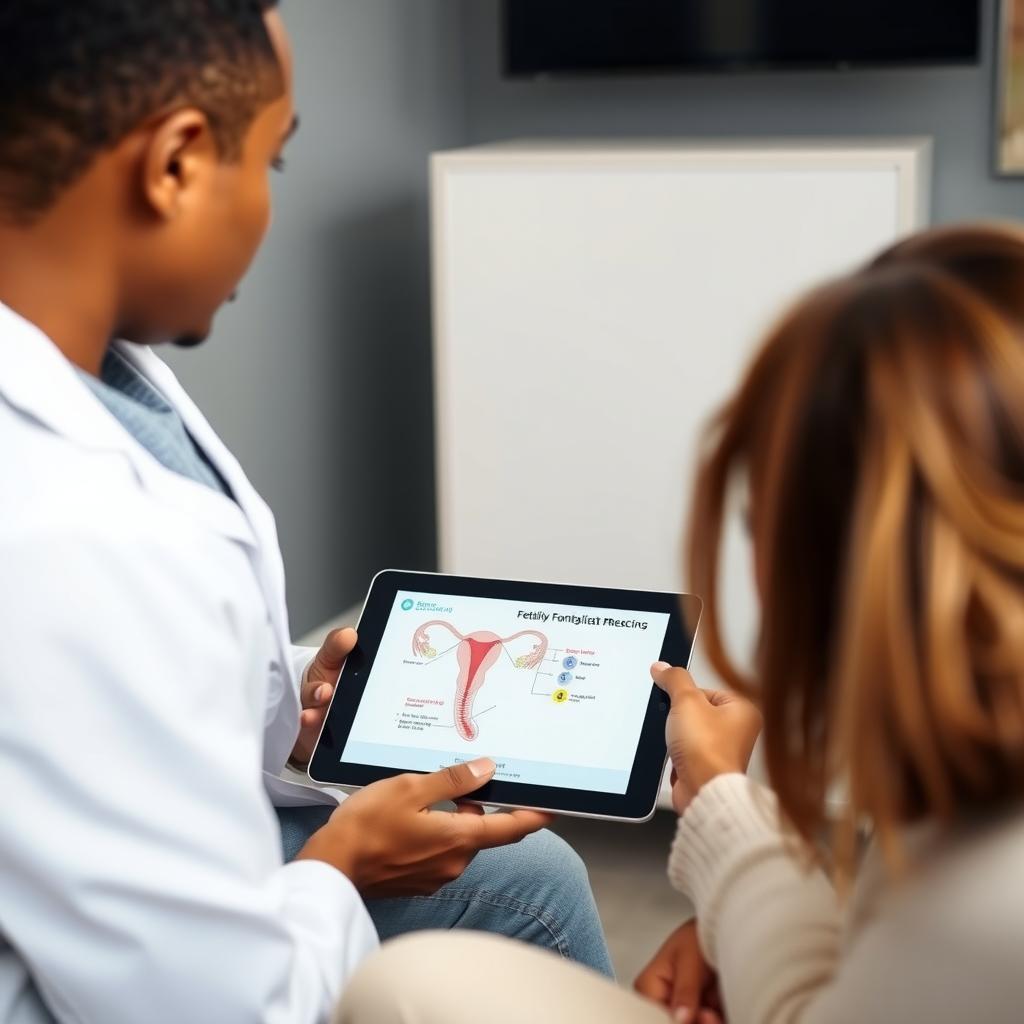
- Consultation and Testing: Your journey starts with a fertility specialist. They’ll assess your ovarian reserve (the number and quality of your eggs) using blood tests and ultrasounds. This helps determine if egg freezing is a good fit.
- Ovarian Stimulation: You’ll take hormone injections for 10-14 days to stimulate your ovaries to produce multiple eggs. Regular monitoring ensures the process is on track.
- Egg Retrieval: Under light sedation, a doctor uses a needle guided by ultrasound to collect eggs from your ovaries. It’s a quick, outpatient procedure.
- Freezing: The eggs are flash-frozen using a process called vitrification and stored in liquid nitrogen for future use.
The entire cycle takes about 2-3 weeks. Many women describe the process as intense but manageable, with mild discomfort from injections or bloating.
Who Should Consider Egg Freezing?
Egg freezing is ideal for several groups:
- Women Delaying Motherhood: If you’re focused on career, travel, or personal growth, egg freezing lets you pause your biological clock.
- Medical Reasons: Fertility preservation during chemotherapy or for conditions like endometriosis is a common reason. Chemotherapy can damage eggs, so freezing them beforehand is a proactive step.
- Women Facing Infertility Risks: Conditions like premature ovarian insufficiency or a family history of early menopause may prompt egg freezing.
- Single Women: If you haven’t found a partner but want kids later, egg freezing offers flexibility.
Every woman’s reason is personal. For example, Sarah, a 34-year-old teacher, froze her eggs after a cancer diagnosis. She shared, 'It gave me hope that I could still have a family after treatment.' Stories like hers highlight the emotional weight of the decision.
Costs and Financial Considerations
Egg freezing isn’t cheap, and costs vary widely. Here’s a quick overview:
| Expense | Estimated Cost (USD) |
|---|---|
| Initial consultation | $200-$500 |
| Medications | $3,000-$7,000 |
| Egg retrieval | $5,000-$10,000 |
| Annual storage fees | $500-$1,000 |
Total costs for one cycle often range from $10,000 to $15,000, excluding storage. Some clinics offer payment plans, and certain employers now cover fertility treatments as part of benefits. Check with your insurance, as coverage for fertility preservation during chemotherapy may be available for medical reasons.
The financial commitment can feel overwhelming. Lisa, a 29-year-old engineer, saved for two years to afford the procedure. 'It was a big investment, but I saw it as insurance for my future,' she said. Researching clinics and comparing costs can help you plan.
Success Rates and Realistic Expectations
Success depends on age, egg quality, and the number of eggs frozen. Women under 35 typically have better outcomes, as younger eggs are healthier. According to the American Society for Reproductive Medicine, the chance of a live birth from frozen eggs is about 30-60% per cycle, depending on various factors.
It’s not a guarantee. Freezing 10-20 eggs is often recommended to increase chances, but every body is different. Talk to your doctor about realistic outcomes based on your health. Infertility challenges can arise later, so egg freezing is a tool, not a cure-all.
Emotional and Ethical Considerations
Egg freezing can be an emotional rollercoaster. The hormone injections may cause mood swings, and the decision itself carries weight. Some women feel empowered, while others grapple with uncertainty about the future. Counseling is often recommended to navigate these feelings.
Ethically, some wonder about the implications of delaying motherhood or what happens to unused eggs. Options include donating them to research, another person, or discarding them. These choices are deeply personal, and clinics often provide guidance to help you decide.

Tips for a Smooth Egg Freezing Journey
- Research Clinics: Look for board-certified reproductive endocrinologists with high success rates. Check reviews and ask about vitrification techniques.
- Prepare Physically: A healthy diet and light exercise can support your body during stimulation.
- Seek Support: Friends, family, or support groups can ease the emotional load. Online communities, like those on Reddit, offer shared experiences.
- Plan Financially: Explore financing options or employer benefits early to reduce stress.
- Ask Questions: Don’t hesitate to grill your doctor about risks, side effects, and success rates.
Taking these steps can make the process feel less overwhelming and more empowering.
Summary
Egg freezing is a game-changer for women seeking fertility preservation, whether for lifestyle choices or medical needs like fertility preservation during chemotherapy. It’s a complex but empowering process that offers flexibility and hope. By understanding the steps, costs, and emotional aspects, you can make an informed decision. Consult a specialist, weigh your options, and take control of your reproductive future.