Understanding Ovarian Hyperstimulation Syndrome: A Comprehensive Guide
June 15, 2025, 8:14 a.m.
Overview: Ovarian Hyperstimulation Syndrome (OHSS) is a serious condition tied to fertility treatments like IVF. It causes swollen, painful ovaries and can range from mild discomfort to life-threatening issues. Knowing about OHSS helps anyone considering these treatments stay informed and safe.
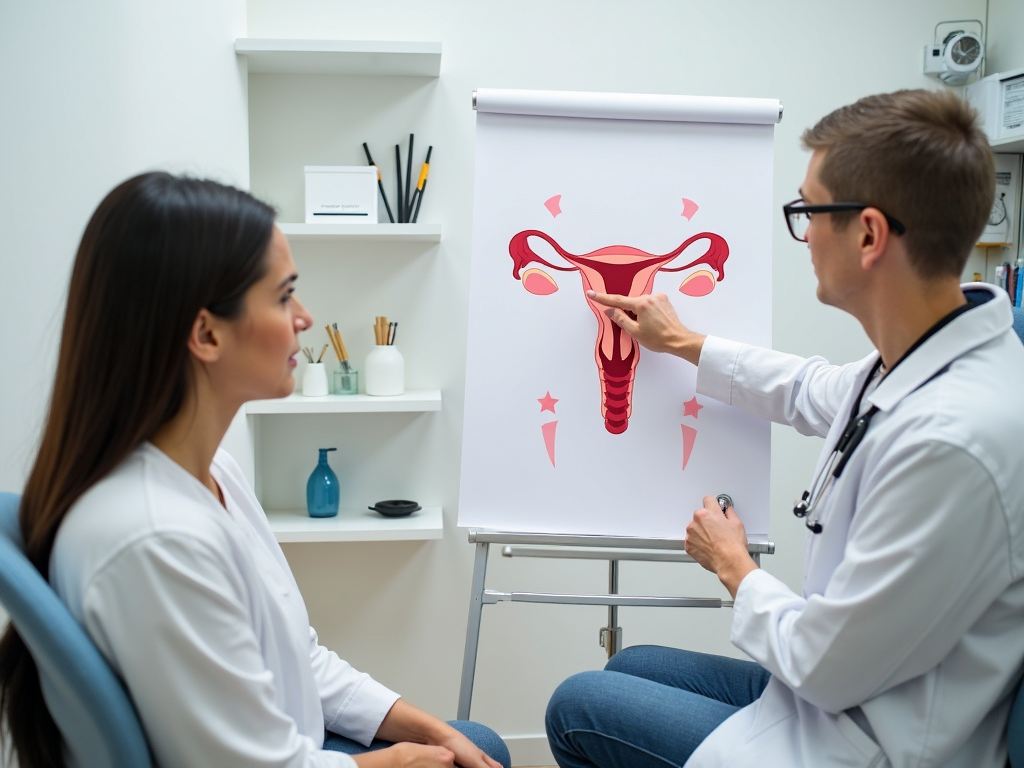
What is Ovarian Hyperstimulation Syndrome? Understanding Ovarian Hyperstimulation Syndrome starts with knowing it’s a reaction to fertility treatments. These treatments, like in vitro fertilization (IVF), use hormones to make the ovaries produce more eggs. Sometimes, the ovaries overreact, swelling up and leaking fluid into the body. This can happen to women of all ages, but it’s more common if you’re under 35, have polycystic ovary syndrome (PCOS), or have had it before. According to Johns Hopkins Medicine, OHSS affects up to 10% of women going through IVF.
Why Does It Happen? The main trigger is fertility drugs, like human chorionic gonadotropin (hCG), used to boost egg production. These drugs can push the ovaries too hard. Risk factors include a high number of egg sacs (follicles) during treatment or a low body weight. It’s not anyone’s fault—it’s just how some bodies respond.

Symptoms to Watch For: Symptoms vary widely. Mild cases bring bloating, slight belly pain, and nausea—annoying but manageable. Moderate OHSS steps it up with faster weight gain (think 2 pounds in a day), worse pain, and vomiting. Severe cases are rare but serious: trouble breathing, less urination, and intense pain. If you notice these, call your doctor right away.
A Personal Story: My friend Lisa went through IVF last year. She was so excited to start her family, but a few days after her hormone shots, she felt bloated and heavy. She thought it was normal until the pain got sharp. Her doctor diagnosed mild OHSS and told her to rest and drink lots of water. She said it was scary not knowing what was happening at first. Hearing her story made me realize how important it is to pay attention to your body.

How Doctors Treat It: Treatment depends on how bad it gets. For mild OHSS, you might just need rest, water, and over-the-counter pain relief at home. Moderate or severe cases could mean a hospital stay for IV fluids or even draining extra fluid from your belly. The Mayo Clinic says most cases clear up in a week or two with proper care.
Can You Prevent It? Doctors can lower the risk by using smaller doses of fertility drugs or skipping hCG if your ovaries look too active. They’ll watch you closely with ultrasounds and blood tests during treatment. It’s not a perfect shield, but it helps.

The Link to Male Infertility: OHSS affects women, but infertility is often a team challenge. If a couple faces male infertility—like low sperm count—they might turn to IVF. That’s when the woman could face OHSS as a side effect of fertility treatments. Partners need to understand this risk and support each other through it.
What Experts Say: Dr. Emily Carter, a fertility expert at Cleveland Clinic, explains, “OHSS can sound frightening, but we catch most cases early with good monitoring. Patients should feel empowered to speak up about any changes they notice.” Her words show why staying in touch with your doctor matters so much.
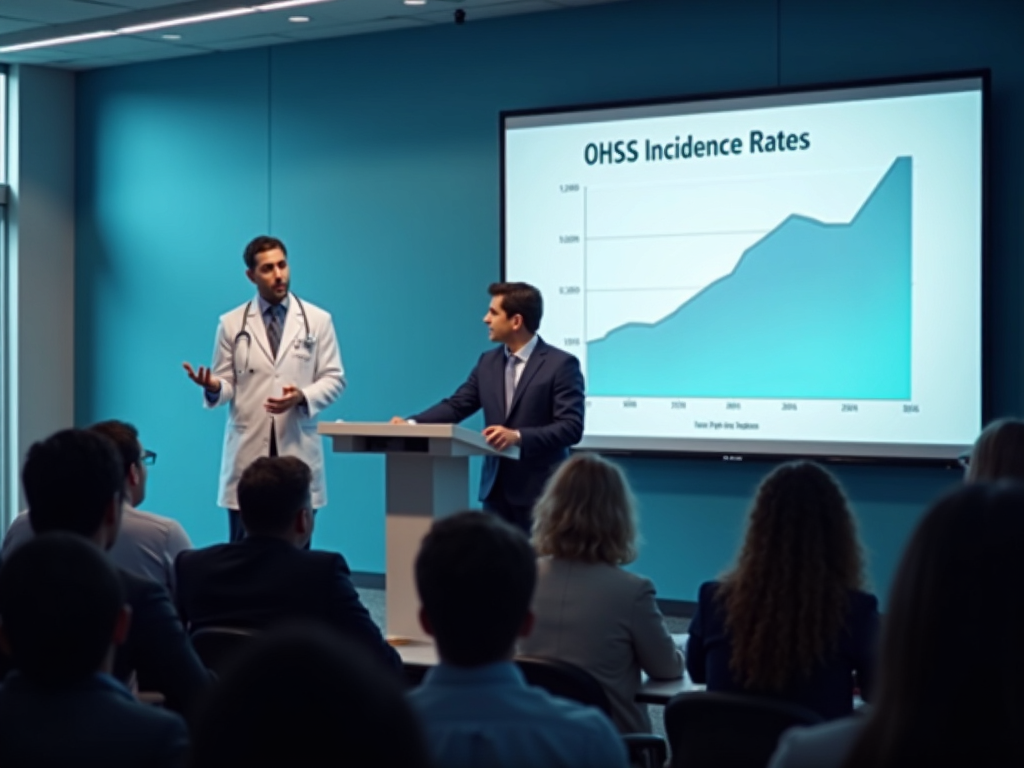
Tips to Stay Safe: If you’re thinking about fertility treatments, here’s what you can do: - Pick a clinic with a strong track record. - Talk openly about your health history with your doctor. - Follow their instructions before and after treatment. - Keep a daily log of your weight and how you feel. These steps can catch problems early.
The Bigger Picture of Infertility: OHSS is just one piece of the infertility puzzle. Fertility treatments can work wonders, but they come with risks like this. Couples dealing with infertility—whether it’s male infertility or other issues—should weigh the pros and cons together. Knowledge is power here.

Summary: Ovarian Hyperstimulation Syndrome is a big deal for anyone exploring fertility treatments. It’s one of the side effects of fertility treatments that can catch you off guard, but understanding its signs and solutions makes a difference. Talk to your doctor, listen to your body, and you’ll handle whatever comes your way.