Advancements in AI for Fertility Treatments: Revolutionizing Reproductive Care
Sept. 14, 2025, 6:41 a.m.
Overview
Infertility affects millions worldwide, but hope is on the horizon. Advancements in AI for fertility treatments are changing how clinics approach reproductive care. By using smart algorithms and automated systems, doctors can now offer more precise, personalized solutions, improving success rates and giving couples new possibilities.
The Role of AI in Modern Fertility Clinics
Imagine a world where starting a family feels less like a gamble and more like a science. That’s what advancements in AI for fertility treatments are making possible. Artificial intelligence is no longer just a buzzword—it’s a game-changer in reproductive medicine. By analyzing massive amounts of data, AI helps doctors make better decisions, from selecting the healthiest embryos to tailoring treatment plans.
In the past, fertility treatments like in vitro fertilization (IVF) relied heavily on human expertise. While skilled embryologists and doctors are still vital, AI adds a layer of precision that humans alone can’t achieve. For example, AI can process thousands of embryo images in seconds, spotting patterns that predict which ones are most likely to lead to a successful pregnancy. This isn’t about replacing doctors—it’s about giving them superpower-level tools.
How AI Enhances Embryo Selection
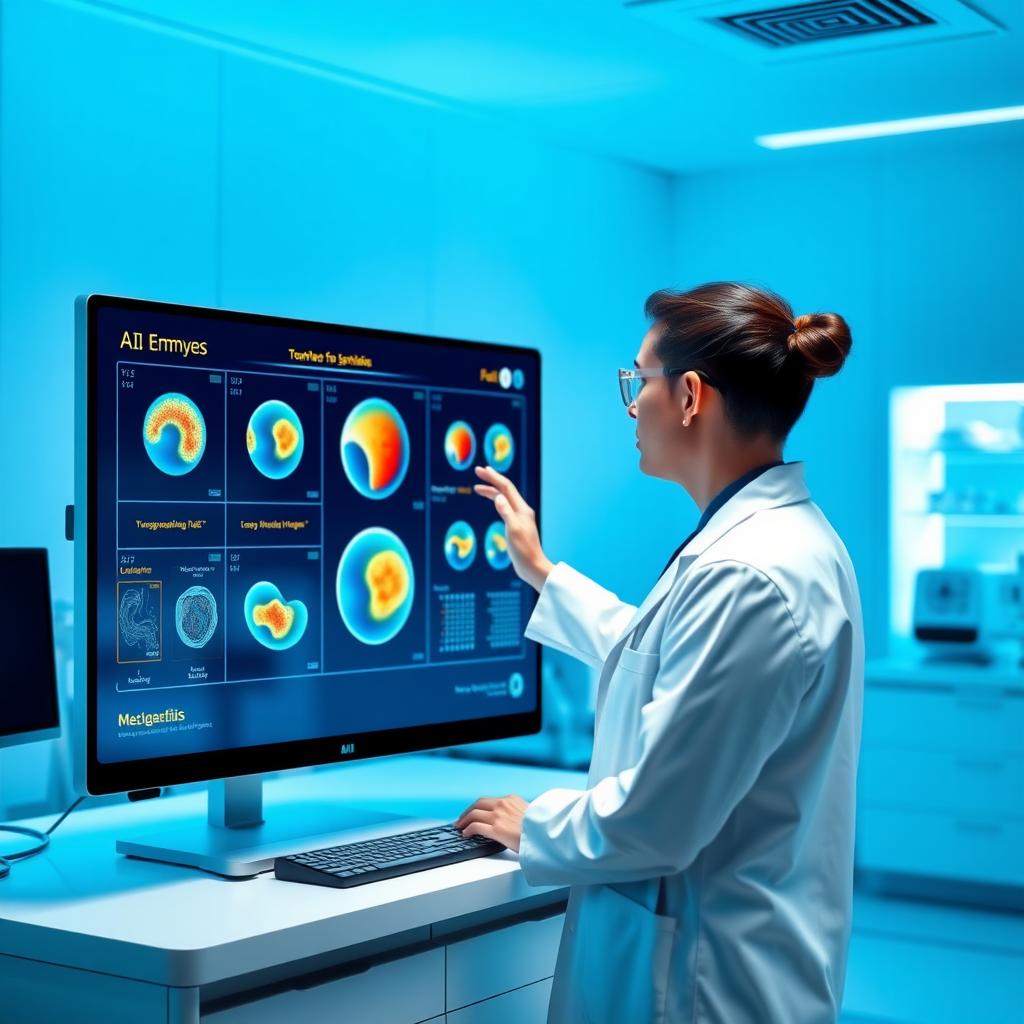
One of the biggest challenges in IVF is choosing the right embryo to transfer. Traditionally, embryologists examine embryos under a microscope, relying on their training to pick the best ones. But human judgment can vary, and subtle differences in embryos are hard to spot. Enter AI. Advancements in AI for fertility treatments have led to automated systems that evaluate embryos with incredible accuracy.
These systems use machine learning to analyze thousands of embryo images, looking at factors like cell division speed and symmetry. For instance, studies show AI models like support vector machines can predict embryo viability with up to 88.59% accuracy. This means fewer failed transfers and higher chances of success for patients. It’s like having a second set of eyes that never tire and never miss a detail.
Key Benefits of AI in Embryo Selection: - Speed: AI processes images in seconds, saving time in busy clinics. - Accuracy: Algorithms detect patterns invisible to the human eye. - Consistency: AI reduces variability between embryologists’ assessments.
Personalizing Treatment with AI
Every patient’s fertility journey is unique, and AI is making treatments more tailored than ever. Automated systems in modern fertility clinics use patient data—like hormone levels, medical history, and even genetic profiles—to create custom treatment plans. This personalization is a big step forward in fertility preservation, especially for those facing medical challenges like cancer or low ovarian reserve.
For example, AI can predict how a patient will respond to ovarian stimulation, helping doctors adjust medication doses for better results. This not only improves success rates but also reduces the emotional and physical toll of treatment. I’ve spoken with patients who felt overwhelmed by the trial-and-error of traditional IVF. With AI, they feel like their treatment is designed just for them, which brings a sense of hope and control.

The Latest Advancements in Embryo Cryopreservation Technology
Embryo cryopreservation, or freezing embryos for future use, has been a cornerstone of fertility preservation for years. But the latest advancements in embryo cryopreservation technology are making it even more reliable. AI is playing a surprising role here, too. By analyzing data from freezing processes, AI helps clinics optimize protocols to ensure embryos survive thawing with minimal damage.
For instance, AI can monitor the cooling rates and cryoprotectant levels used during freezing, predicting which methods yield the best outcomes. This is a big deal for patients who want to preserve their fertility—whether they’re delaying parenthood or undergoing medical treatments that could affect their reproductive health. The peace of mind that comes with knowing your embryos are safely stored is priceless. I’ve seen how this technology gives couples confidence to plan their future on their own terms.
AI in Sperm Analysis and Male Infertility
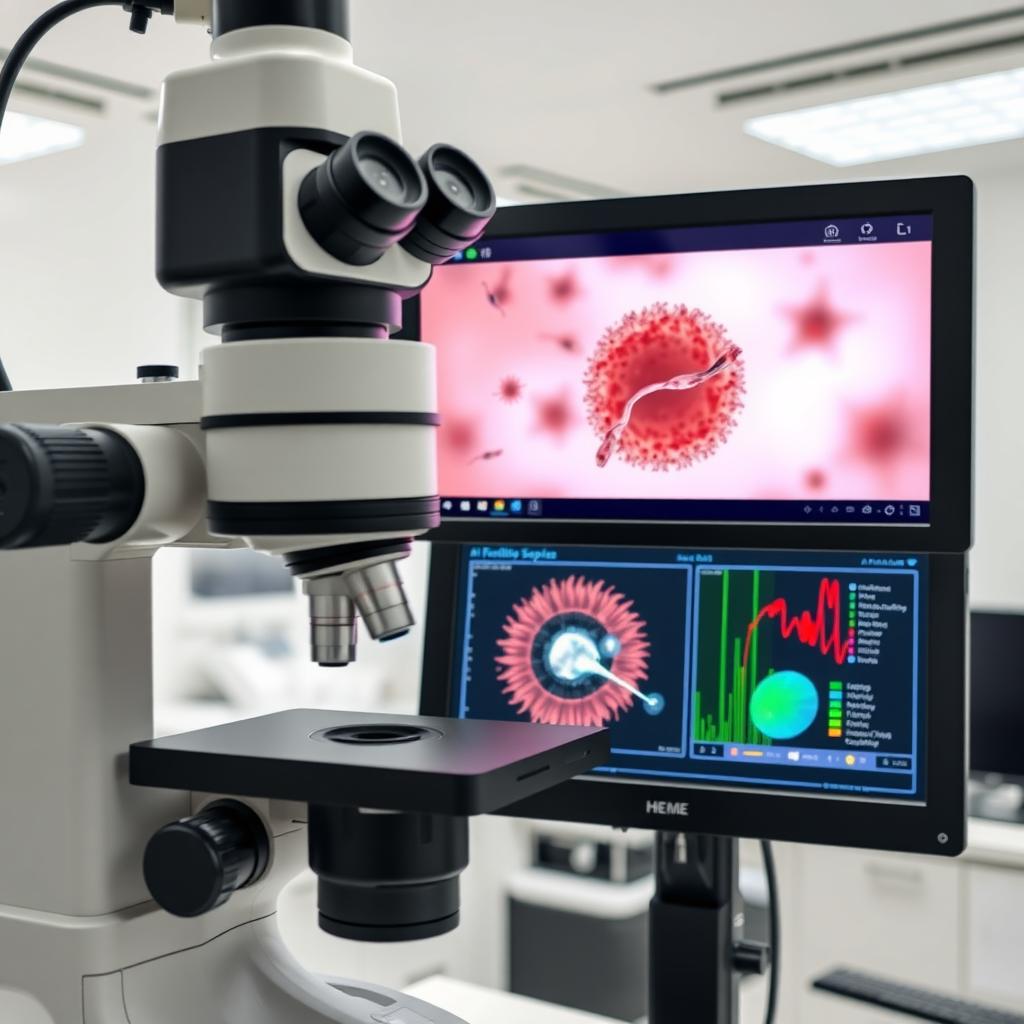
Male infertility accounts for 20–30% of infertility cases, yet it’s often overlooked. AI is changing that by revolutionizing sperm analysis. Automated systems in modern fertility clinics use AI to assess sperm quality with incredible precision, looking at factors like motility, morphology, and DNA integrity.
For example, AI models can analyze thousands of sperm samples in minutes, identifying the healthiest ones for IVF. This is a huge improvement over manual analysis, which can be slow and subjective. Studies have shown AI tools like gradient boosting trees can predict successful sperm retrieval in non-obstructive azoospermia cases with 91% sensitivity. This means more men can get accurate diagnoses and effective treatments, leveling the playing field in fertility care.
Ethical and Practical Challenges
AI’s potential in fertility treatments is exciting, but it’s not without challenges. Data privacy is a big concern—patients want to know their sensitive health information is secure. There’s also the risk of algorithm bias, where AI models might not perform as well for certain groups if the data they’re trained on isn’t diverse enough. And let’s not forget the human element: AI can’t replace the emotional support patients need during their fertility journey.
Clinics must balance technology with compassion. I’ve talked to doctors who emphasize the importance of explaining AI’s role to patients clearly, so they feel informed rather than overwhelmed. Ethical guidelines and rigorous testing are crucial to ensure AI is used responsibly. The goal is to enhance care, not complicate it.
The Future of AI in Fertility Treatments
Looking ahead, advancements in AI for fertility treatments are only going to grow. Researchers are exploring AI-driven genetic screening to detect potential issues in embryos before transfer. Telehealth, powered by AI, could make fertility care more accessible, letting patients monitor their treatment remotely. And as AI becomes more integrated into clinics, we might see costs come down, making treatments like IVF and embryo cryopreservation more affordable.
I’m optimistic about the future. I’ve seen how technology can transform lives, and AI is bringing us closer to a world where infertility is less of a barrier. But it’s not just about the tech—it’s about the hope it brings to people dreaming of starting a family.
Summary
Advancements in AI for fertility treatments are reshaping reproductive healthcare. From improving embryo selection to personalizing treatment plans and enhancing embryo cryopreservation, AI is making fertility care more precise and accessible. While challenges like data privacy and ethical concerns remain, the future looks promising. With automated systems in modern fertility clinics, couples have more tools than ever to achieve their dreams of parenthood.