Holistic Approaches to Fertility Treatment: A Comprehensive Guide
Sept. 12, 2025, 5:21 p.m.
Overview
Struggling to conceive can feel overwhelming, but holistic approaches to fertility treatment offer hope. These methods combine natural remedies, lifestyle changes, and emotional support with medical options like IVF. This guide explores how to enhance fertility naturally while addressing infertility with a balanced, whole-body approach.
Understanding Holistic Fertility Treatment
Holistic approaches to fertility treatment focus on the whole person—body, mind, and spirit. Unlike traditional methods that may zero in on medical interventions like IVF, holistic care considers diet, stress, exercise, and emotional well-being. The goal? Create an optimal environment for conception.
Infertility affects about 1 in 8 couples, according to the CDC. While medical treatments like IVF are effective for many, they can be costly and emotionally taxing. Holistic methods can complement these treatments or, in some cases, improve fertility without invasive procedures. For example, acupuncture has been shown to improve blood flow to reproductive organs, potentially boosting conception rates.

Nutrition and Fertility
What you eat matters. A diet rich in whole foods can support reproductive health. Think colorful fruits, vegetables, lean proteins, and healthy fats. Studies suggest that diets high in antioxidants—like berries or leafy greens—may improve egg and sperm quality.
Here’s a quick guide to fertility-friendly foods:
- Fruits and Vegetables: Aim for 5-7 servings daily. Berries, spinach, and avocados are packed with nutrients.
- Whole Grains: Swap white bread for quinoa or brown rice to stabilize blood sugar.
- Healthy Fats: Include nuts, seeds, and olive oil to support hormone production.
- Protein: Opt for plant-based sources like lentils or lean meats like chicken.
Avoid processed foods, excessive sugar, and trans fats, which can disrupt hormonal balance. A 2018 study in Human Reproduction found that women who ate more plant-based proteins had a higher chance of conceiving.
Lifestyle Changes to Boost Fertility
Your daily habits play a big role in fertility. Small changes can make a difference. For instance, maintaining a healthy weight is key—both underweight and overweight conditions can disrupt ovulation. Regular exercise, like yoga or walking, can help, but overdoing it may harm fertility. Aim for 30 minutes of moderate activity most days.
Sleep is another factor. Poor sleep disrupts hormones like melatonin, which supports reproductive health. Try for 7-8 hours of quality sleep nightly. Also, limit caffeine and alcohol, as they can reduce fertility. A 2020 study in Fertility and Sterility linked high caffeine intake to longer conception times.

Stress Management and Emotional Health
Infertility can feel like an emotional rollercoaster. Stress doesn’t just affect your mood—it can disrupt hormones and ovulation. Holistic approaches to fertility treatment often emphasize stress reduction. Practices like meditation, mindfulness, or journaling can help.
I’ve spoken with friends who felt consumed by the pressure to conceive. One shared how daily meditation helped her feel grounded during IVF cycles. Apps like Headspace or Calm offer guided sessions to ease anxiety. Support groups, whether online or in-person, also provide a sense of community. Connecting with others who understand the journey can lighten the emotional load.
Complementary Therapies
Many turn to complementary therapies to enhance fertility. Acupuncture, for example, is widely studied for its benefits. A 2019 meta-analysis in Reproductive Biomedicine Online found it may improve IVF success rates by up to 15%. Herbal supplements, like chasteberry, may support hormonal balance, but always consult a doctor before starting them.
Other therapies include:
- Massage: Improves circulation and reduces stress.
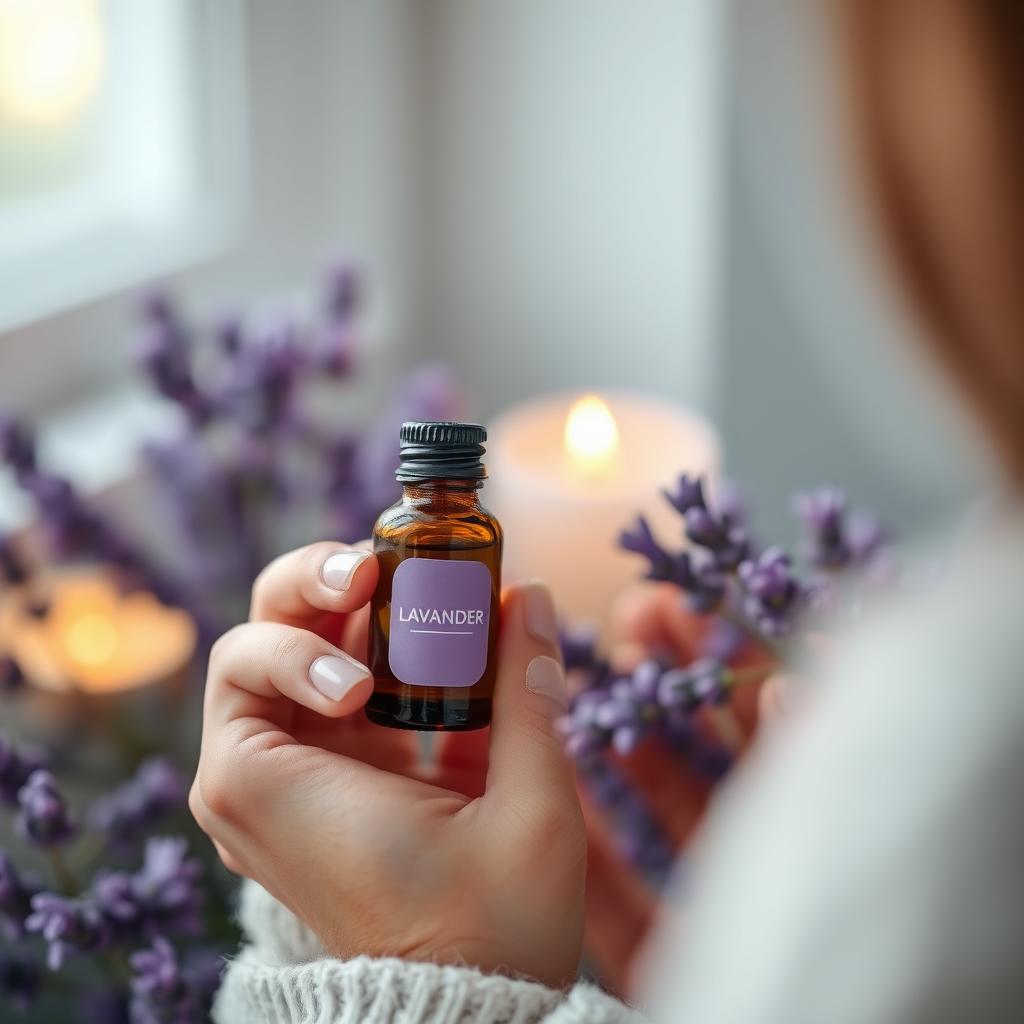
- Aromatherapy: Essential oils like lavender promote relaxation.
- Reflexology: Focuses on pressure points linked to reproductive health.
These methods work best when paired with medical advice. Always check with a fertility specialist to ensure safety.
Integrating Holistic Methods with IVF
Holistic approaches to fertility treatment don’t replace medical options like IVF—they enhance them. IVF, or in vitro fertilization, involves combining eggs and sperm in a lab to create embryos. It’s a powerful tool but can be physically and emotionally demanding. Holistic methods can ease the process.
For example, acupuncture before and after embryo transfer may improve implantation rates. A nutrient-rich diet can support egg quality during stimulation cycles. Mindfulness practices can help manage the stress of waiting for results. Many clinics now offer integrative programs combining holistic and medical care for better outcomes.
Practical Steps to Start Your Holistic Journey
Ready to try holistic approaches to fertility treatment? Here’s a simple plan:
- Consult a Specialist: Get a full fertility workup to understand your baseline.
- Build a Team: Work with a nutritionist, acupuncturist, or therapist who specializes in fertility.
- Track Your Cycle: Use apps like Flo or Clue to monitor ovulation and optimize timing.
- Prioritize Self-Care: Schedule daily time for relaxation, whether it’s yoga or a walk.
- Stay Informed: Read up on fertility-friendly habits and talk to your doctor about complementary therapies.
Patience is key. Holistic changes take time, but they can create lasting benefits for your body and mind.
Summary
Holistic approaches to fertility treatment offer a hopeful path for those facing infertility. By combining nutrition, lifestyle changes, stress management, and complementary therapies with medical options like IVF, you can support your body and mind on the journey to conception. Start small, stay consistent, and seek support to navigate this deeply personal process.