How Diet Influences IVF Medication Effectiveness
Sept. 10, 2025, 5:20 p.m.
Overview: Diet and IVF Medication Effectiveness
When you're going through in vitro fertilization (IVF), every choice feels monumental. From picking the right clinic to understanding fertility drugs, you're already navigating a complex journey. But one often-overlooked factor can make a big difference: your diet. What you eat can influence how well IVF medications work, potentially affecting your chances of success. This article dives into the connection between diet and IVF medication effectiveness, offering practical tips and personal insights to help you optimize your fertility journey.
Why Diet Matters for IVF Success
IVF is a physically and emotionally demanding process. Fertility drugs, like gonadotropins or GnRH agonists, stimulate your ovaries to produce eggs, but they rely on your body’s ability to respond effectively. A balanced diet supports your hormonal balance, reduces inflammation, and creates an optimal environment for these medications to work.
Think of your body as a garden. Fertility drugs are like seeds, but your diet is the soil. Poor soil—lacking nutrients or full of toxins—can hinder growth, no matter how good the seeds are. Studies, like one from the American Journal of Obstetrics and Gynecology (2023), suggest that diets rich in whole foods improve IVF outcomes by enhancing egg quality and embryo development.
Key Nutrients for Boosting IVF Medication Effectiveness
Certain nutrients play a starring role in supporting fertility drugs. Let’s break them down:
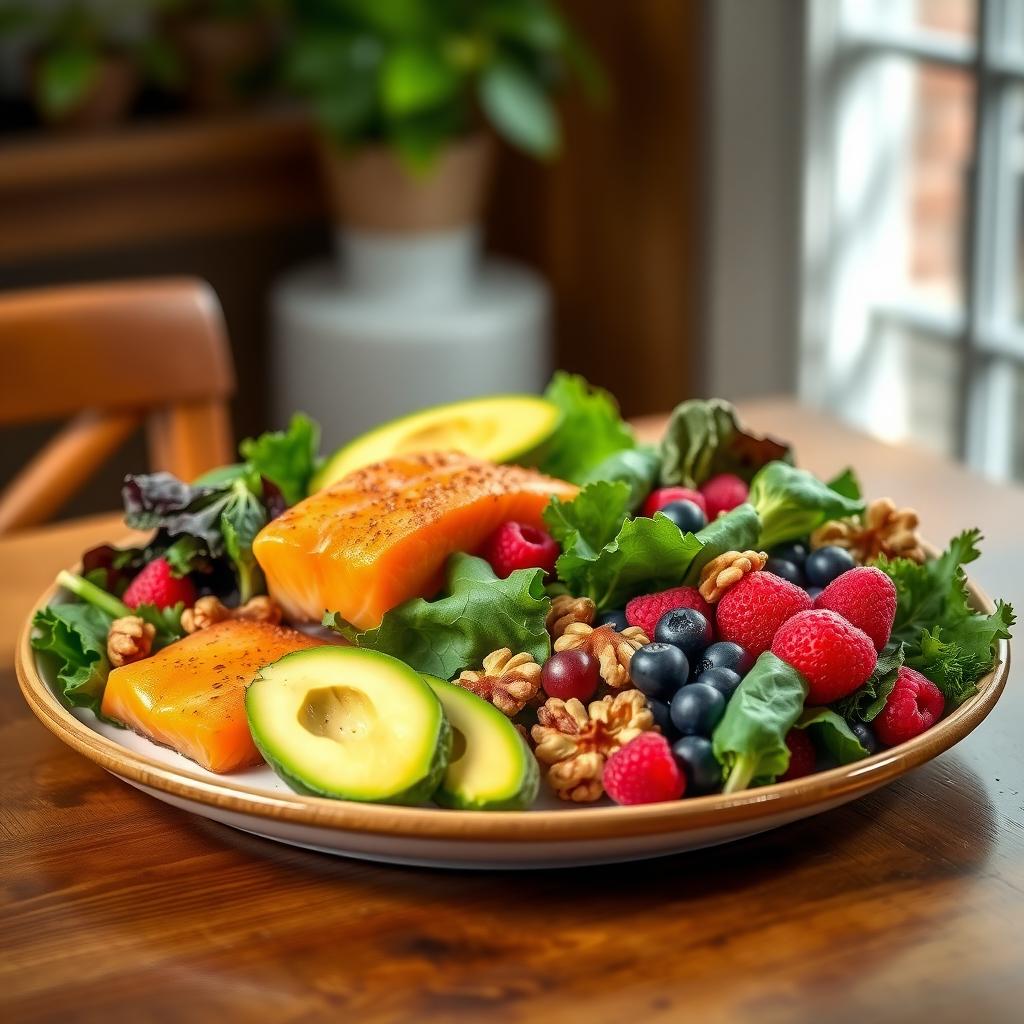
- Omega-3 Fatty Acids: Found in fatty fish like salmon or walnuts, omega-3s reduce inflammation, which can improve ovarian response to fertility drugs.
- Antioxidants: Berries, spinach, and dark chocolate are packed with antioxidants that protect eggs from oxidative stress, potentially enhancing IVF success.
- Folate: Leafy greens and legumes provide folate, which supports cell division and embryo implantation.
- Protein: Lean proteins like chicken or tofu help stabilize blood sugar, which is crucial for hormonal balance.
- Healthy Fats: Avocados and olive oil support hormone production, a key factor in how fertility drugs perform.
A 2022 study in Fertility and Sterility found that women who followed a Mediterranean-style diet—rich in these nutrients—had a 20% higher IVF success rate compared to those with processed-food-heavy diets.
Foods to Avoid During IVF
Just as some foods boost IVF medication effectiveness, others can hinder it. Here’s what to steer clear of:
- Sugary Foods and Drinks: High sugar intake can spike insulin levels, disrupting hormonal balance and reducing the efficacy of fertility drugs.
- Trans Fats: Found in fried foods and processed snacks, trans fats increase inflammation, which may impair ovarian response.
- Excessive Caffeine: While a cup of coffee is fine, over 200 mg daily (about two cups) may negatively affect embryo implantation.
- Alcohol: Even moderate drinking can interfere with hormone levels, so it’s best to avoid it during IVF cycles.
I remember a friend who cut out soda and fast food during her IVF cycle. She said her energy levels soared, and her doctor noted a stronger response to her medications. Small changes can add up.
A Sample Meal Plan for IVF Success
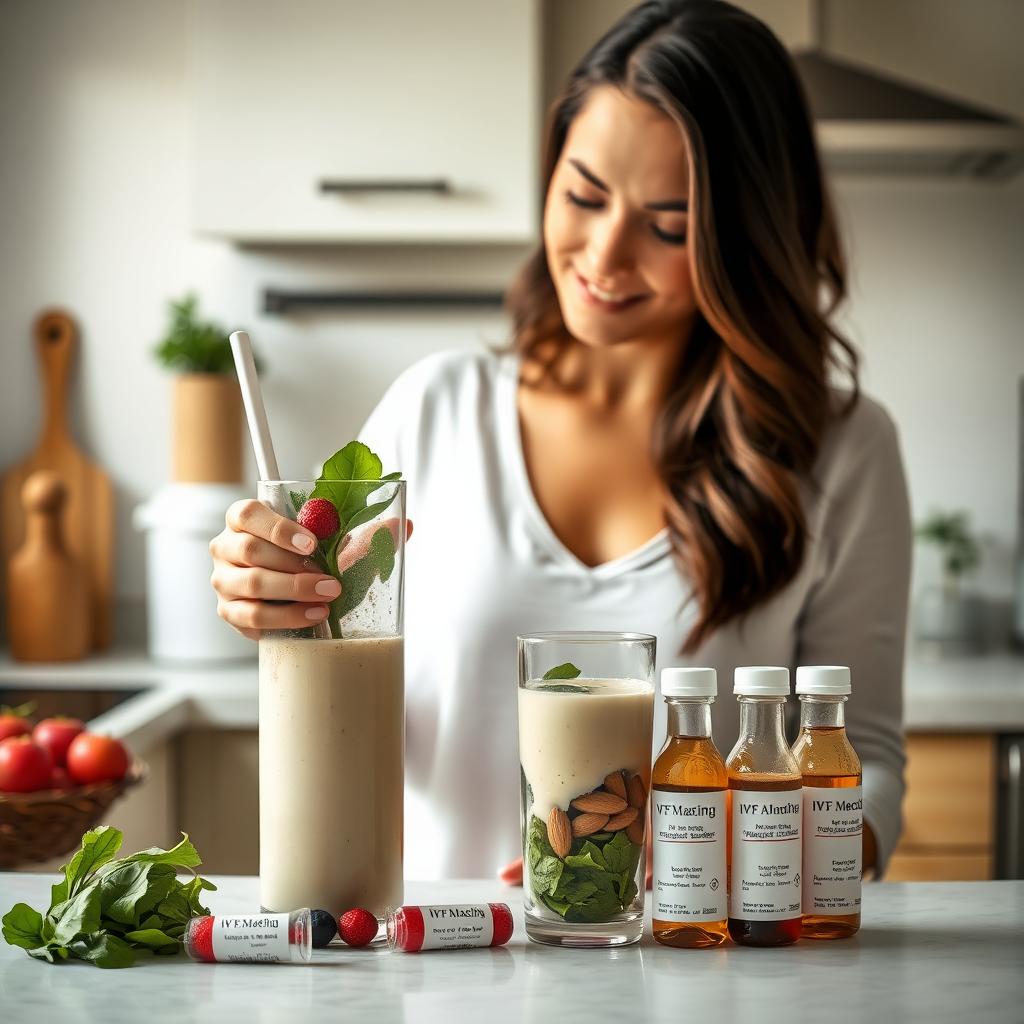
To make this practical, here’s a one-day meal plan designed to support diet and IVF medication effectiveness:
| Meal | Menu |
|---|---|
| Breakfast | Greek yogurt with mixed berries, walnuts, and a drizzle of honey |
| Snack | Sliced cucumber with hummus |
| Lunch | Grilled salmon with quinoa and steamed broccoli |
| Snack | A handful of almonds and an apple |
| Dinner | Baked chicken breast with roasted sweet potatoes and a spinach salad with avocado |
This plan emphasizes whole foods, balances macronutrients, and avoids processed junk. It’s simple but powerful, giving your body the fuel it needs to respond to fertility drugs.
Personal Insights: My IVF Journey and Diet
When I supported a loved one through IVF, I saw firsthand how diet shaped her experience. She was skeptical about changing her eating habits at first—pizza and takeout were her go-to. But after her first cycle failed, she committed to a nutrient-rich diet. She swapped processed carbs for whole grains, added more vegetables, and prioritized protein. By her second cycle, her energy was better, and her doctor noticed improved egg quality. While it wasn’t a magic fix, she felt more in control, and her successful pregnancy felt like a team effort between her diet and the fertility drugs.
This isn’t just anecdotal. A 2024 study in Human Reproduction found that women who improved their diets before IVF had better ovarian response and higher pregnancy rates. It’s not about perfection but consistency.

Practical Tips to Optimize Your Diet for IVF
Ready to make changes? Here are actionable steps to align your diet with IVF medication effectiveness:
- Start Early: Begin dietary changes at least three months before your IVF cycle to allow your body to adjust.
- Hydrate: Drink plenty of water to support blood flow and nutrient delivery to your reproductive organs.
- Work with a Nutritionist: A fertility-focused nutritionist can tailor a plan to your needs.
- Track Your Food: Use a journal or app to ensure you’re getting enough key nutrients.
- Be Kind to Yourself: Slip-ups happen. Focus on progress, not perfection.
One patient I heard about worked with a dietitian who specialized in infertility. She said the personalized plan made her feel empowered, like she was actively contributing to her IVF success.
Consulting Your Doctor
Before making big dietary changes, talk to your fertility specialist. Some medications, like those for thyroid conditions, may interact with certain foods (e.g., soy). Your doctor can also recommend blood tests to check for nutrient deficiencies, like vitamin D or iron, which can affect how fertility drugs work. Combining medical guidance with a solid diet plan sets you up for the best outcomes.
Summary: Fueling Your IVF Journey
Diet and IVF medication effectiveness go hand in hand. By focusing on nutrient-rich foods, avoiding inflammatory triggers, and making small, sustainable changes, you can create an environment where fertility drugs work their best. It’s not about overhauling your life overnight but taking steps to nourish your body and boost your chances of success. Pair these dietary shifts with medical guidance, and you’re giving yourself a powerful edge on your IVF journey.