Fertility and Endometriosis: A Holistic Approach to Managing Symptoms and Boosting Reproductive Health
Sept. 8, 2025, 6:41 a.m.
Overview
Endometriosis affects millions of women worldwide, often impacting fertility and causing debilitating symptoms. Fertility and Endometriosis: A Holistic Approach combines medical insights, natural remedies, and lifestyle changes to empower women. This guide explores acupuncture, diet, and stress management to support reproductive health and manage symptoms effectively.
Understanding Endometriosis and Its Impact on Fertility
Endometriosis occurs when tissue similar to the uterine lining grows outside the uterus, causing pain, irregular periods, and potential fertility challenges. According to the American College of Obstetricians and Gynecologists, about 1 in 10 women of reproductive age are affected, and up to 50% of those with endometriosis may face infertility. The condition can create scar tissue, inflammation, or hormonal imbalances, making conception difficult.
But it’s not all doom and gloom. Many women with endometriosis conceive naturally or with support. A holistic approach, combining medical treatments with lifestyle changes, can improve outcomes. Personally, I’ve seen friends navigate this journey by blending conventional care with natural methods, finding hope and empowerment along the way.

Natural Ways to Preserve Fertility with Endometriosis
Preserving fertility with endometriosis starts with proactive steps. Here are some evidence-based strategies:
- Nutrition Matters: A diet rich in anti-inflammatory foods like leafy greens, fatty fish, and berries can reduce symptoms. A study from Harvard Medical School suggests that omega-3 fatty acids may help manage inflammation, potentially supporting fertility.
- Exercise Regularly: Moderate activities like yoga or walking improve blood flow and reduce stress. Avoid intense workouts, as they may exacerbate symptoms.
- Track Ovulation: Use ovulation predictor kits to identify fertile windows, especially if cycles are irregular.
- Supplements with Caution: Some women benefit from supplements like vitamin D or CoQ10, but consult a doctor first.
These steps aren’t a cure, but they can create a fertility-friendly environment. A friend of mine found that cutting gluten and adding yoga made her cycles more predictable, giving her a sense of control.
The Benefits of Acupuncture for Endometriosis Relief
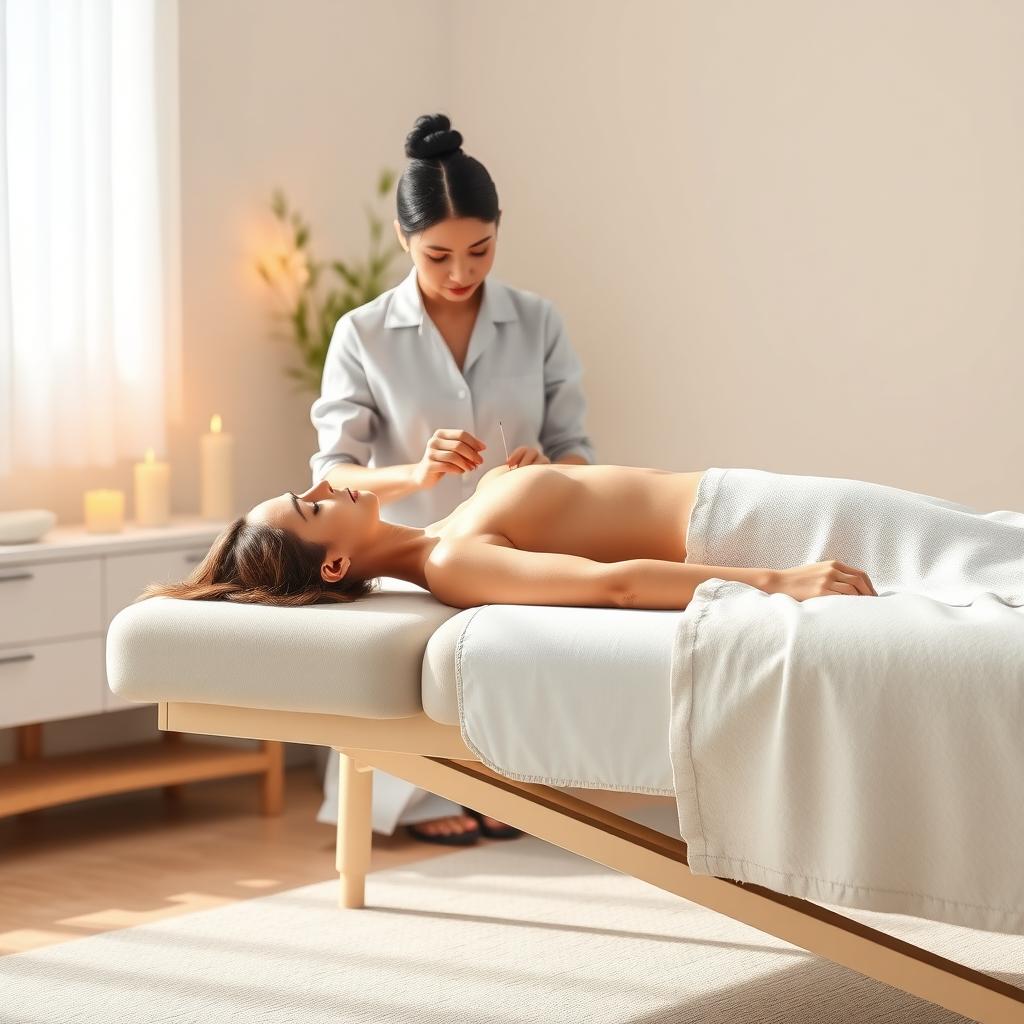
Acupuncture, a cornerstone of traditional Chinese medicine, involves inserting thin needles into specific points to balance energy. The Benefits of Acupuncture for Endometriosis Relief are well-documented. A study published in the Journal of Pain Research found that acupuncture can reduce pelvic pain and improve quality of life for women with endometriosis. It may also regulate hormones and improve blood flow to reproductive organs, potentially boosting fertility.
I’ve spoken with women who describe acupuncture as a game-changer. One shared how sessions eased her cramps and gave her energy, making her feel more in tune with her body. It’s not a one-size-fits-all fix, but it’s a powerful tool in a holistic toolkit.
How to Choose the Right Acupuncturist
Finding the right acupuncturist is key to maximizing benefits. How to Choose the Right Acupuncturist involves a few critical steps:
| Criteria | What to Look For |
|---|---|
| Credentials | Licensed acupuncturist (e.g., L.Ac.) with training in women’s health. |
| Experience | At least 3-5 years working with endometriosis or fertility issues. |
| Reviews | Positive testimonials from patients with similar conditions. |
| Approach | A practitioner who listens and tailors treatments to your needs. |
Check if they’re certified by a recognized body, like the National Certification Commission for Acupuncture and Oriental Medicine. Ask about their experience with endometriosis specifically. A good acupuncturist will explain their process clearly and make you feel comfortable. I recall a friend’s relief when she found an acupuncturist who took time to understand her pain patterns—it made all the difference.
How to Find a Qualified Acupuncturist
How to Find a Qualified Acupuncturist can feel overwhelming, but it’s manageable with these tips:
- Start Local: Search for practitioners in your area using directories from professional organizations.
- Ask for Referrals: Talk to your doctor, fertility specialist, or friends for recommendations.
- Interview Candidates: Schedule consultations to discuss their approach and experience.
- Verify Credentials: Confirm licensing and certifications to ensure legitimacy.
Online platforms like the NCCAOM’s practitioner directory can simplify the process. When I helped a colleague find an acupuncturist, we used a mix of online reviews and a referral from her gynecologist. It took some effort, but the right match was worth it.
Lifestyle Changes for Holistic Management
Beyond acupuncture and diet, lifestyle plays a huge role. Stress can worsen endometriosis symptoms and disrupt hormones, so practices like meditation or journaling are vital. Getting enough sleep—aim for 7-8 hours—supports hormonal balance. Avoiding environmental toxins, like those in certain plastics, may also help, as they can mimic estrogen and exacerbate symptoms.
One woman I know swore by daily mindfulness to manage her pain flares. She’d spend 10 minutes meditating, which helped her stay calm during tough days. Small, consistent changes add up, creating a foundation for better health and fertility.

Combining Holistic and Medical Approaches
A holistic approach doesn’t replace medical care. Treatments like hormonal therapy or surgery may be necessary, especially for severe cases. Work with your healthcare team to integrate natural methods safely. For example, acupuncture can complement pain management, while diet supports overall health. Always share your holistic plans with your doctor to avoid conflicts with medications.
I’ve seen this balance work wonders. A cousin with endometriosis combined acupuncture with her doctor’s treatment plan, and she felt more in control of her body. Open communication with your medical team is key to success.
Summary
Managing Fertility and Endometriosis: A Holistic Approach involves blending natural strategies like acupuncture, diet, and stress relief with medical care. By exploring natural ways to preserve fertility with endometriosis and learning how to choose the right acupuncturist, women can take charge of their health. With the right support, it’s possible to navigate endometriosis while optimizing fertility and well-being.