Questions to Ask Your Doctor About Chemotherapy and Fertility
Sept. 8, 2025, 6:40 a.m.
Overview
Chemotherapy can be a lifeline for those battling cancer, but it may also affect your ability to have children. Understanding Chemotherapy and Its Impact on Fertility is crucial for making informed decisions. This guide offers key questions to ask your doctor, practical advice, and insights into fertility preservation during chemotherapy to empower you during this challenging time.
Why Chemotherapy Affects Fertility
Chemotherapy drugs target fast-growing cancer cells, but they can also harm healthy cells, including those in your reproductive system. For women, this might mean damage to eggs or ovaries. For men, it can affect sperm production. The impact depends on your age, the type of chemotherapy, and the dosage.
I remember sitting in my oncologist’s office, feeling overwhelmed. I was 32, newly diagnosed with breast cancer, and the thought of losing my chance to have kids hit hard. My doctor explained that some drugs, like cyclophosphamide, are more likely to cause infertility. Others might have less impact. Knowing this helped me prepare for the tough conversations ahead.

Key Questions to Ask Your Doctor
When facing chemotherapy, asking the right questions can make a big difference. Here’s a list of essential Questions to Ask Your Doctor About Chemotherapy and Fertility to ensure you’re fully informed:
- What is the likelihood that my chemotherapy regimen will affect my fertility? Ask for specifics about the drugs you’ll receive and their known effects on reproductive health.
- Are there alternative treatments that might lower the risk to my fertility? Some regimens may be less harmful to eggs or sperm.
- What fertility preservation options are available before I start treatment? Explore options like egg freezing, sperm banking, or ovarian tissue preservation.
- How soon do I need to decide about fertility preservation? Timing is critical, as some procedures need to be done before chemo starts.
- Will fertility preservation delay my cancer treatment? Understand any potential risks to your treatment timeline.
- Are there side effects to fertility preservation procedures? Ask about costs, success rates, and recovery time.
- Can I meet with a fertility specialist? A reproductive endocrinologist can provide expert guidance.
- What are my options for family planning after treatment? Discuss possibilities like adoption, donor eggs, or surrogacy if needed.
When I asked these questions, my doctor connected me with a fertility specialist. That conversation gave me hope and a clear plan, even in the midst of uncertainty.
Fertility Preservation Options
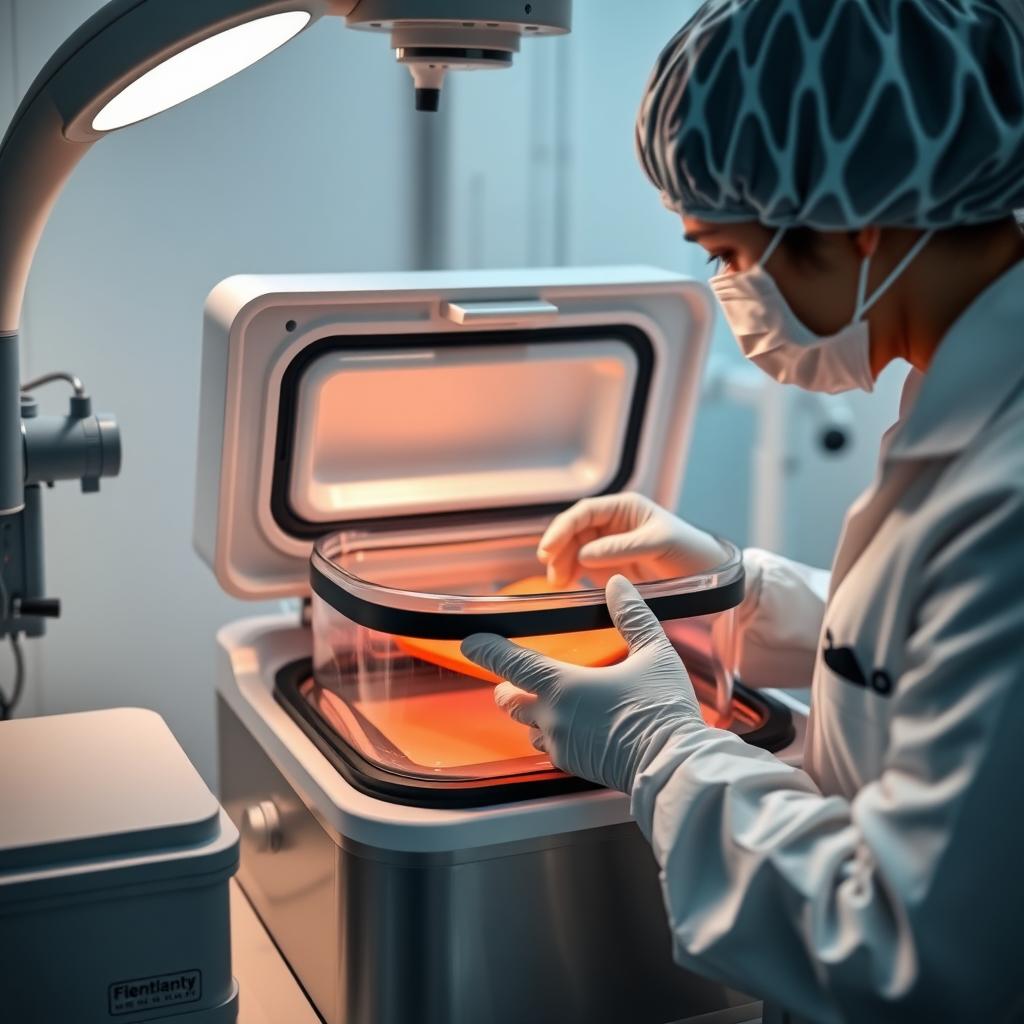
Fertility preservation during chemotherapy offers hope for building a family later. Here are common options:
| Option | Who It’s For | Description | Considerations |
|---|---|---|---|
| Egg Freezing | Women | Eggs are retrieved and frozen for future use. | Requires 2-3 weeks; may involve hormone stimulation. |
| Sperm Banking | Men | Sperm is collected and stored for later use. | Simple, non-invasive; can be done quickly. |
| Ovarian Tissue Freezing | Women | Ovarian tissue is removed and frozen. | Experimental; may not be widely available. |
| Embryo Freezing | Couples/Women | Eggs are fertilized with sperm and frozen as embryos. | Requires a partner or donor sperm; time-intensive. |
| Testicular Tissue Freezing | Men/Boys | Tissue is preserved for future sperm extraction. | Experimental; often used for prepubescent boys. |
I chose egg freezing before my treatment. It wasn’t easy—hormone injections were tough during an already stressful time—but knowing I had options gave me peace of mind. Talk to your doctor about what’s feasible for you, considering time, cost, and your health.
Emotional and Practical Considerations
The possibility of infertility can bring up intense emotions—fear, grief, or even guilt. I struggled with the idea that my cancer treatment might take away my dream of motherhood. Talking to a counselor who specialized in cancer-related fertility issues helped me process those feelings.
Here are some practical steps to take:
- Seek support: Join a support group or talk to others who’ve been through this. Organizations like the American Cancer Society (https://www.cancer.org) offer resources.
- Explore financial assistance: Fertility preservation can be expensive. Look into programs like Livestrong Fertility (https://www.livestrong.org) for help with costs.
- Communicate with loved ones: Share your concerns with your partner or family. They can offer emotional support and help with decision-making.
It’s okay to feel overwhelmed. Take it one step at a time, and don’t hesitate to ask for help.
Long-Term Outlook
After chemotherapy, your fertility may recover, but it’s not guaranteed. For women, younger age at treatment often means a better chance of regaining fertility. Men may see sperm production return, but it can take months or years. Regular follow-ups with a fertility specialist can help you understand your options post-treatment.
I’m now two years post-chemo, and while my fertility wasn’t fully spared, the eggs I froze give me hope. Advances in reproductive medicine are also promising—new techniques are being developed every year. Stay in touch with your medical team to explore what’s possible.

Summary
Facing chemotherapy while thinking about your future family is daunting, but asking the right Questions to Ask Your Doctor About Chemotherapy and Fertility can empower you. From understanding risks to exploring fertility preservation during chemotherapy, being proactive helps you make informed choices. Connect with specialists, seek support, and take it one step at a time. You’re not alone on this journey.