Fertility Preservation: What You Need to Know
Sept. 5, 2025, 6:45 a.m.
Overview
Fertility preservation offers hope for those who want to start a family later in life, whether due to medical treatments, career goals, or personal choices. By freezing eggs, sperm, or embryos, you can protect your reproductive potential. This guide dives into the essentials of fertility preservation, including costs, success rates, and how to find the right clinic.
What Is Fertility Preservation?
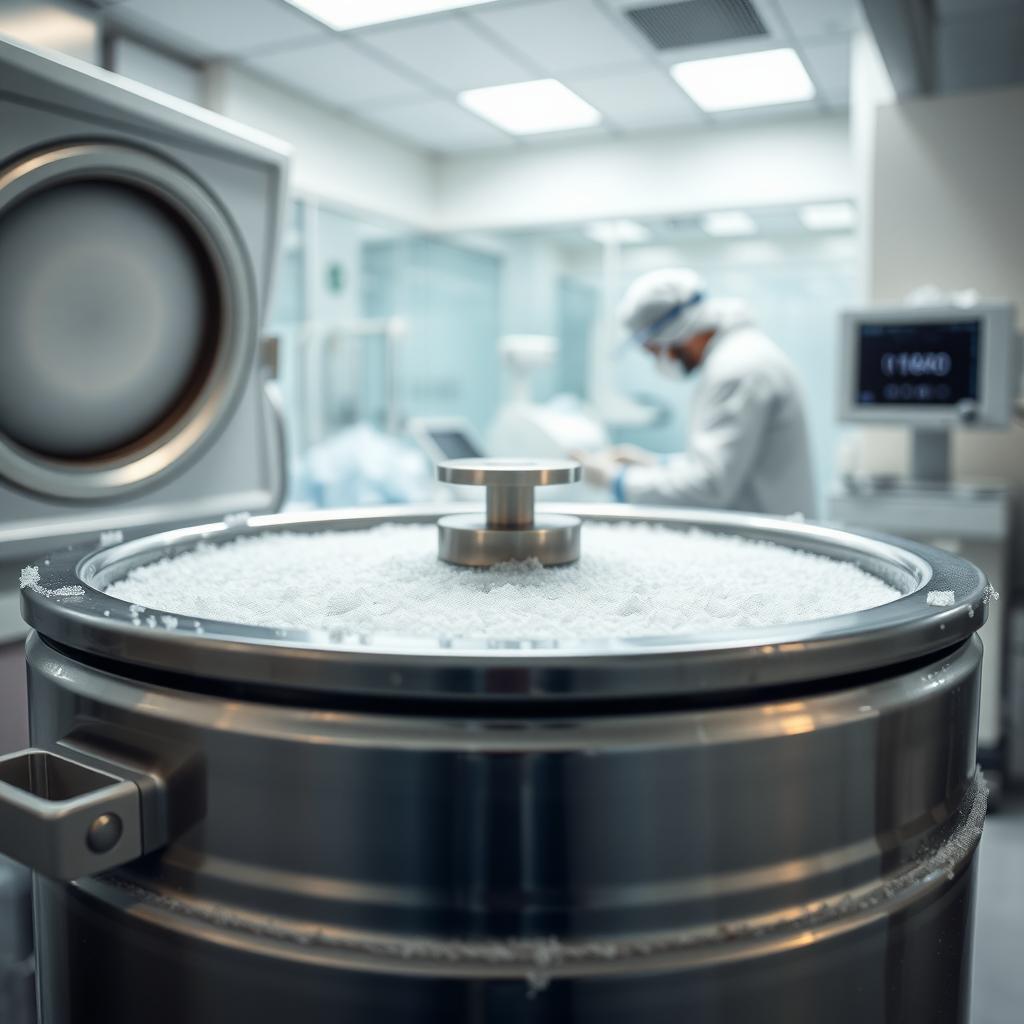
Fertility preservation is a process that saves eggs, sperm, or embryos for future use. It’s a lifeline for people facing cancer treatments, age-related fertility decline, or those simply not ready to have kids yet. Techniques like cryopreservation—freezing reproductive cells at ultra-low temperatures—make it possible to pause your biological clock. For example, someone diagnosed with cancer might preserve their eggs before chemotherapy, which can harm fertility. Others might choose it to focus on their career or wait for the right partner.
The process isn’t just for women. Men can freeze sperm, and couples can preserve embryos. It’s also an option for transgender individuals or those planning gender-affirming treatments. The beauty of fertility preservation is its flexibility—it meets you where you are in life.
Why Consider Fertility Preservation?
Life throws curveballs. A cancer diagnosis, for instance, can force tough choices. Chemotherapy or radiation can damage reproductive cells, making fertility preservation a critical step before treatment. Since 2006, guidelines have urged doctors to discuss these options with reproductive-age patients facing such therapies. But it’s not just for medical reasons. Many women in their 30s freeze eggs to delay motherhood, especially if they haven’t found a partner or want to prioritize their career. Men, too, are banking sperm for similar reasons.
Age is a big factor. Women’s fertility peaks in their 20s and declines sharply after 35. By freezing eggs early, you increase your chances of a successful pregnancy later. For example, a 2025 study showed that women who froze eggs before age 35 had higher success rates with IVF compared to those who waited. This proactive step can ease the pressure of the biological clock.
Understanding In-Vitro Fertilization: Costs and Success Rates
In-vitro fertilization (IVF) is often the next step after fertility preservation. IVF involves fertilizing eggs with sperm in a lab and transferring the resulting embryo to the uterus. It’s a key tool for those using preserved eggs or embryos. But what about the costs and success rates?
Costs of IVF and Fertility Preservation
The cost of fertility preservation services varies widely. Egg freezing can range from $6,000 to $15,000 per cycle, including medications and storage fees. Sperm freezing is cheaper, often $1,000 to $2,000 initially, with annual storage fees of $200 to $500. IVF itself costs $12,000 to $20,000 per cycle, not including medications, which can add another $3,000 to $5,000. Insurance coverage is spotty—some plans cover diagnostic tests, but few fully cover IVF or preservation. Checking with your provider is crucial. For detailed cost breakdowns, the American Society for Reproductive Medicine offers reliable resources.
These numbers can feel overwhelming, but financial assistance exists. Some clinics offer payment plans, and organizations like RESOLVE provide grants. Budgeting and exploring these options early can make the process more manageable.

Success Rates of IVF
Success rates depend on age, health, and the quality of preserved cells. For women under 35 using their own eggs, IVF success rates hover around 40-50% per cycle, according to the Society for Assisted Reproductive Technology. Rates drop to 20-30% for women aged 35-40 and lower after 40. Frozen eggs or embryos have slightly lower success rates than fresh ones, but advances in cryopreservation have narrowed the gap. A 2025 study found no significant difference in live birth rates between frozen and fresh embryos for women under 38. This is encouraging for those relying on preserved materials.
Personal factors matter too. Lifestyle choices like maintaining a healthy weight and avoiding smoking can boost outcomes. I’ve spoken with friends who went through IVF—one described it as an emotional rollercoaster but worth it when she held her baby. Patience and realistic expectations are key.
Choosing the Right Fertility Preservation Clinic
Finding the right clinic is a game-changer. Fertility preservation clinics vary in expertise, technology, and patient care. Look for clinics accredited by organizations like the College of American Pathologists for lab quality. Check success rates on the clinic’s website or through SART’s national database. Location matters too—urban centers often have more advanced facilities, but smaller clinics might offer a more personal touch.
Ask questions during consultations. How many cycles have they performed? What’s their success rate for your age group? Do they offer counseling or financial guidance? A good clinic feels like a partner, not just a service provider. I recall a friend sharing how her clinic’s staff called to check on her after a tough cycle—it made all the difference.
Fertility Preservation Options
Here’s a quick breakdown of the main options:
| Option | Who It’s For | Process | Pros | Cons |
|---|---|---|---|---|
| Egg Freezing | Women | Stimulate ovaries, retrieve eggs, freeze | Flexible timing, good for younger women | High cost, requires hormone therapy |
| Sperm Freezing | Men | Collect and freeze sperm | Simple, affordable | Limited to male fertility |
| Embryo Freezing | Couples | Fertilize eggs with sperm, freeze embryos | Higher success rates | Requires partner or donor sperm |
| Ovarian Tissue Freezing | Prepubertal girls, some adults | Remove and freeze ovarian tissue | Emerging option | Experimental, less common |
Each option suits different needs. Discuss with your doctor to find the best fit.

Risks and Considerations
Fertility preservation isn’t risk-free. Egg retrieval involves hormone injections, which can cause bloating or mood swings. There’s a small chance of ovarian hyperstimulation syndrome, though modern protocols minimize this. Sperm freezing is less invasive but requires multiple samples for best results. Long-term storage is safe, but there’s always a slight risk of sample damage. Discuss these with your doctor to weigh the benefits.
Emotionally, the process can be intense. The waiting, the uncertainty, the cost—it’s a lot. Support groups or therapists specializing in fertility can help. One patient I know found comfort in online forums, where she connected with others going through the same journey.
Taking the First Step
If you’re considering fertility preservation, start with a consultation at a reputable clinic. Blood tests and ultrasounds can assess your fertility baseline. From there, you can explore options and timelines. Don’t rush—take time to understand what feels right for you. The Cleveland Clinic’s fertility preservation guide is a great starting point for detailed info.
Summary
Fertility preservation empowers you to take control of your reproductive future. Whether you’re facing medical challenges or planning ahead, options like egg, sperm, or embryo freezing offer hope. Costs can be steep, but financial aid and careful clinic selection make it accessible. With the right information and support, you can make confident decisions about your fertility journey.