Diet and Exercise for Better Fertility: Boost Your Chances Naturally
Sept. 4, 2025, 6:42 a.m.
Overview
Struggling to conceive can feel overwhelming, but small changes in your daily habits can make a big difference. Diet and exercise for better fertility are powerful tools to support your reproductive health. This guide explores how nutrition, physical activity, and lifestyle tweaks can boost your chances of getting pregnant, whether you're trying naturally or with fertility treatments like IVF.
Why Diet Matters for Fertility
What you eat directly impacts your body’s ability to conceive. A balanced diet fuels your reproductive system, regulates hormones, and creates a healthy environment for a baby. Research shows that poor nutrition can lead to irregular ovulation, lower sperm quality, and reduced success rates of different fertility treatments. For example, a study from Harvard found that women who followed a fertility-friendly diet were 66% less likely to face ovulatory infertility.
I’ve seen friends transform their eating habits and feel more empowered on their fertility journey. One couple I know swapped processed snacks for whole foods and noticed better energy and regular cycles within months. It’s not about perfection—it’s about consistent, mindful choices.
Key Nutrients for Fertility
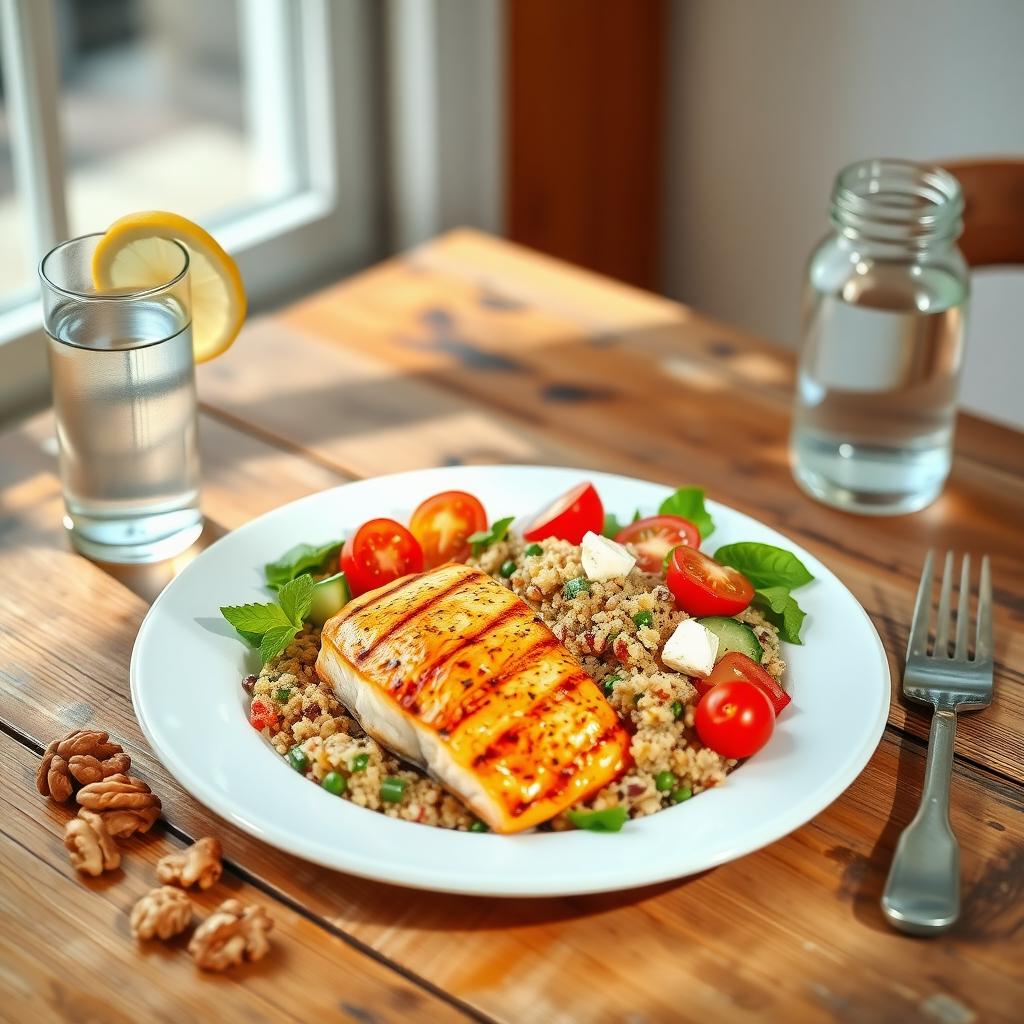
Certain nutrients stand out for their role in fertility: - Folic Acid: Supports egg quality and reduces pregnancy complications. Aim for 400-800 mcg daily through supplements or foods like leafy greens and lentils. - Omega-3 Fatty Acids: Found in salmon, walnuts, and chia seeds, these fats improve egg quality and sperm health. - Protein: Plant-based proteins like beans and tofu are linked to better fertility outcomes than red meat. - Antioxidants: Berries, spinach, and nuts combat oxidative stress, which can harm eggs and sperm.
Avoid trans fats and refined sugars, often found in fast food and sugary drinks. These can disrupt hormones and increase inflammation, making conception harder. A Mediterranean diet, rich in fruits, vegetables, and healthy fats, is often recommended for fertility.
Exercise: Finding the Right Balance
Physical activity keeps your body strong and supports fertility, but moderation is key. Too little exercise can lead to weight gain, which affects hormone balance, while excessive workouts can disrupt ovulation or lower sperm quality. A study from the American Society for Reproductive Medicine found that women who exercised vigorously for over four hours weekly had a 40% lower IVF success rate.
I remember a friend who loved intense spin classes but struggled with irregular periods. After switching to moderate yoga and walking, her cycles became regular, and she conceived naturally. It’s about finding what works for your body.
Best Exercises for Fertility
Here’s a simple guide to fertility-friendly exercises: - Moderate Cardio: Walking, swimming, or cycling for 30 minutes, 3-5 times a week, boosts circulation without overtaxing your body. - Strength Training: Light weights or bodyweight exercises like squats improve muscle tone and insulin sensitivity. - Yoga: Gentle poses reduce stress and support hormonal balance. - Avoid Overdoing It: High-intensity workouts like marathon running can stress your reproductive system.
For men, regular exercise improves sperm count and motility. A study showed that men who exercised moderately three times a week had 15% better sperm quality than those who were sedentary or overtrained.

Weight and Fertility: Striking a Balance
Your weight plays a huge role in fertility. Both underweight and overweight conditions can disrupt ovulation and sperm production. Women with a BMI below 18.5 or above 30 face higher risks of infertility, according to the American Society for Reproductive Medicine. Losing just 5-10% of body weight can restore ovulation in women with PCOS.
I’ve spoken with women who felt discouraged by their weight but saw real changes after small, sustainable steps. One friend lost 10 pounds by cutting sugary drinks and walking daily. She conceived within six months after years of trying.
Tips for Healthy Weight Management
- Set Realistic Goals: Aim for gradual weight loss (1-2 pounds per week) if overweight.
- Track Your Diet: Use apps like MyFitnessPal to monitor calorie and nutrient intake.
- Consult a Nutritionist: A professional can tailor a plan to your needs.
- Stay Consistent: Small changes, like eating more vegetables, add up over time.
How Diet and Exercise Impact Fertility Treatments
If you’re considering fertility treatments like IVF, diet and exercise can improve your outcomes. A study from Harvard showed that women with higher folate intake had a 20% higher chance of live birth during IVF. Similarly, men taking antioxidants like CoQ10 saw improved sperm quality, boosting success rates of different fertility treatments.
IVF success rates vary widely. For women under 35, the live birth rate per cycle is about 50%, but this drops to 28% in Europe for older women, per the CDC. A healthy lifestyle can’t guarantee success, but it creates a better foundation for treatments like IVF or intrauterine insemination (IUI).
| Fertility Treatment | Success Rate (Live Births) | Key Factors |
|---|---|---|
| IVF (Under 35) | ~50% per cycle | Age, egg quality, lifestyle |
| IVF (Over 40) | ~10-20% per cycle | Egg quality, health conditions |
| IUI | ~10-20% per cycle | Sperm quality, timing |
| Natural Conception | ~80% within 6 months | Overall health, age |

Lifestyle Factors Beyond Diet and Exercise
Other habits affect fertility too. Smoking can double the number of IVF cycles needed, and excessive alcohol lowers egg and sperm quality. Stress also plays a role—chronic stress disrupts hormones, making conception harder. Try mindfulness or therapy to manage anxiety.
I’ve seen how stress can weigh on couples trying to conceive. One friend started journaling and meditating daily, and it helped her feel more in control. Little changes like these can make a big difference.
Putting It All Together
Improving fertility isn’t about drastic changes—it’s about consistency. Start with small steps: add a serving of vegetables, take a daily walk, or try a prenatal vitamin. Track your progress and celebrate small wins. If you’re undergoing fertility treatment, talk to your doctor about tailoring your diet and exercise plan.
Every body is different, so listen to yours. Work with a healthcare provider to create a plan that fits your needs, whether you’re trying naturally or with treatments like IVF. The journey to parenthood can be tough, but you’re not alone.
Summary
Diet and exercise for better fertility can significantly improve your chances of conceiving, whether naturally or through fertility treatments like IVF. Focus on nutrient-rich foods, moderate exercise, and maintaining a healthy weight. By making mindful choices, you can support your reproductive health and boost success rates of different fertility treatments.