Building Inclusive Healthcare for Transgender People: A Path to Equity and Support
Sept. 1, 2025, 6:46 a.m.
Overview
Transgender individuals often face unique challenges in healthcare, from navigating discrimination to accessing specialized services like fertility preservation. Building inclusive healthcare for transgender people means creating systems that respect identities, provide emotional support, and address specific medical needs. This article explores how healthcare providers and communities can foster equity and trust.
Understanding the Healthcare Barriers
For many transgender people, walking into a doctor’s office can feel like stepping into a minefield. Misgendering, lack of provider knowledge, or outright bias can make routine visits stressful. Studies, like one from the Williams Institute (2021), show that nearly 70% of transgender individuals have experienced some form of healthcare discrimination. This can range from being refused care to receiving inappropriate treatment due to a lack of understanding about transgender health needs.
These barriers aren’t just logistical—they take an emotional toll. Imagine being misgendered during a vulnerable moment, like discussing fertility preservation for transgender individuals. It’s not just about the words; it’s about feeling unseen. Providers must prioritize training to understand gender-affirming care and create environments where patients feel safe.
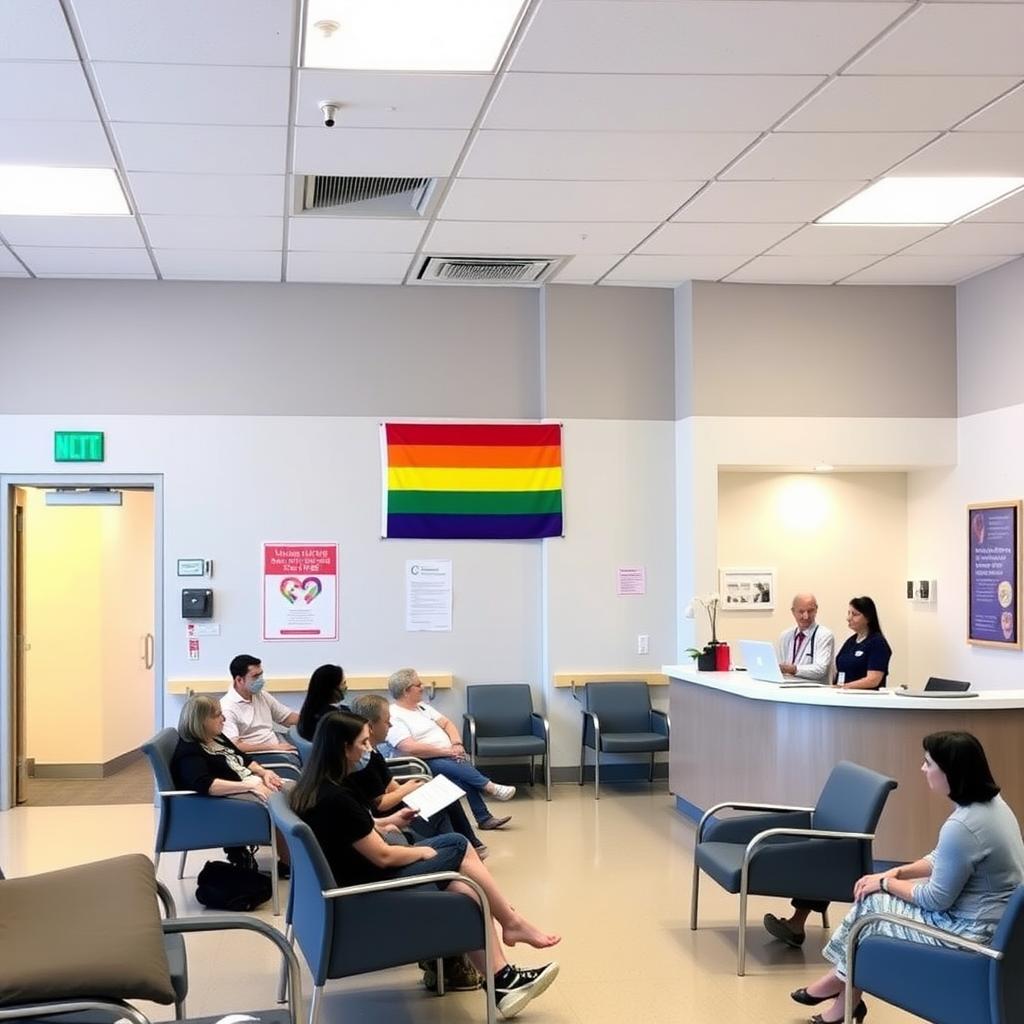
The Importance of Emotional Support
Emotional support during fertility preservation for transgender people is critical. Fertility preservation—options like egg or sperm banking—can be a deeply personal decision. For many, it’s a way to keep future family-building options open before starting hormone therapy or gender-affirming surgeries. But the process isn’t just medical; it’s emotional.
Take Sarah, a transgender woman I spoke with (name changed for privacy). She described her fertility preservation journey as 'a rollercoaster.' The medical process was straightforward, but the lack of emotional support left her feeling isolated. 'No one asked how I was feeling about it,' she said. 'It was all about the procedure, not me as a person.' Providers can change this by offering counseling and peer support groups to help patients process their emotions.
Hospitals can also integrate mental health professionals into care teams. A 2023 study from the Journal of Transgender Health found that transgender patients with access to mental health support during medical transitions reported higher satisfaction and lower anxiety. Simple steps, like asking open-ended questions or connecting patients with support groups, can make a big difference.
Fertility Preservation for Transgender Individuals
Fertility preservation is a key part of inclusive healthcare for transgender people. Many transgender individuals want to explore family-building options before starting treatments that may affect fertility, like hormone therapy. However, access to fertility preservation can be limited by cost, lack of insurance coverage, and provider knowledge.
| Fertility Preservation Options | Description | Considerations |
|---|---|---|
| Sperm Banking | Freezing sperm for future use | Costly; requires multiple visits |
| Egg Freezing | Harvesting and freezing eggs | Invasive; high cost |
| Embryo Freezing | Freezing fertilized eggs | Requires a partner or donor |
| Ovarian Tissue Freezing | Preserving ovarian tissue | Experimental; limited availability |
Costs can range from $5,000 to $15,000, often not covered by insurance. Advocacy groups like the Human Rights Campaign are pushing for better coverage, but progress is slow. Providers can help by connecting patients with financial resources or nonprofits that offer grants for fertility preservation.

Overcoming Infertility Challenges
Infertility is another hurdle for transgender individuals, especially those who’ve started hormone therapy. Hormones can reduce fertility, but pausing treatment to pursue preservation or pregnancy is a tough choice. It can trigger gender dysphoria or emotional distress. Providers need to approach these conversations with sensitivity, offering clear information and emotional support.
For example, Alex, a transgender man, shared how his doctor helped him navigate infertility. 'She explained the science but also checked in on how I was feeling about my body,' he said. This kind of care—balancing medical facts with emotional support—builds trust and empowers patients to make informed decisions.
Creating Inclusive Healthcare Systems
Building inclusive healthcare for transgender people goes beyond individual interactions. It requires systemic change. Here are actionable steps providers can take:
- Train Staff: Regular training on transgender health, pronouns, and cultural competence.
- Update Forms: Use inclusive language, like offering 'preferred name' and gender-neutral options.
- Hire Diverse Staff: Representation matters. Transgender staff can offer unique insights.
- Partner with Communities: Work with local LGBTQ+ organizations to understand patient needs.
- Offer Telehealth: Remote options reduce barriers for those in rural areas or with mobility issues.
Hospitals like the Cleveland Clinic have implemented these changes with success, reporting higher patient satisfaction. Smaller clinics can start small—updating forms or hosting a single training session can set the tone for inclusivity.

Personal Insights: Listening to Transgender Voices
I’ve spoken with many transgender individuals about their healthcare experiences, and one theme stands out: feeling heard. When providers take time to listen—really listen—it changes everything. One person told me, 'I don’t need my doctor to be perfect; I just need them to care.' That’s the heart of inclusive healthcare.
Listening also means acknowledging mistakes. If a provider misgenders a patient, a sincere apology and correction go a long way. It’s about building trust, one interaction at a time. Communities can help by amplifying transgender voices, whether through patient advisory boards or public forums.
Summary
Building inclusive healthcare for transgender people is about more than policy—it’s about empathy, respect, and action. From providing emotional support during fertility preservation to tackling infertility challenges, healthcare systems must prioritize equity. By training staff, updating systems, and listening to patients, we can create a future where every transgender person feels seen and cared for.