The Emotional Journey of Fertility Preservation: Navigating Hope and Challenges
Aug. 29, 2025, 6:37 a.m.
Overview
Fertility preservation offers hope for those facing medical treatments or age-related challenges that threaten their ability to have children. However, The Emotional Journey of Fertility Preservation is complex, filled with hope, fear, and resilience. This article dives into the emotional highs and lows, offering insights and practical guidance for anyone considering this path.
Understanding Fertility Preservation
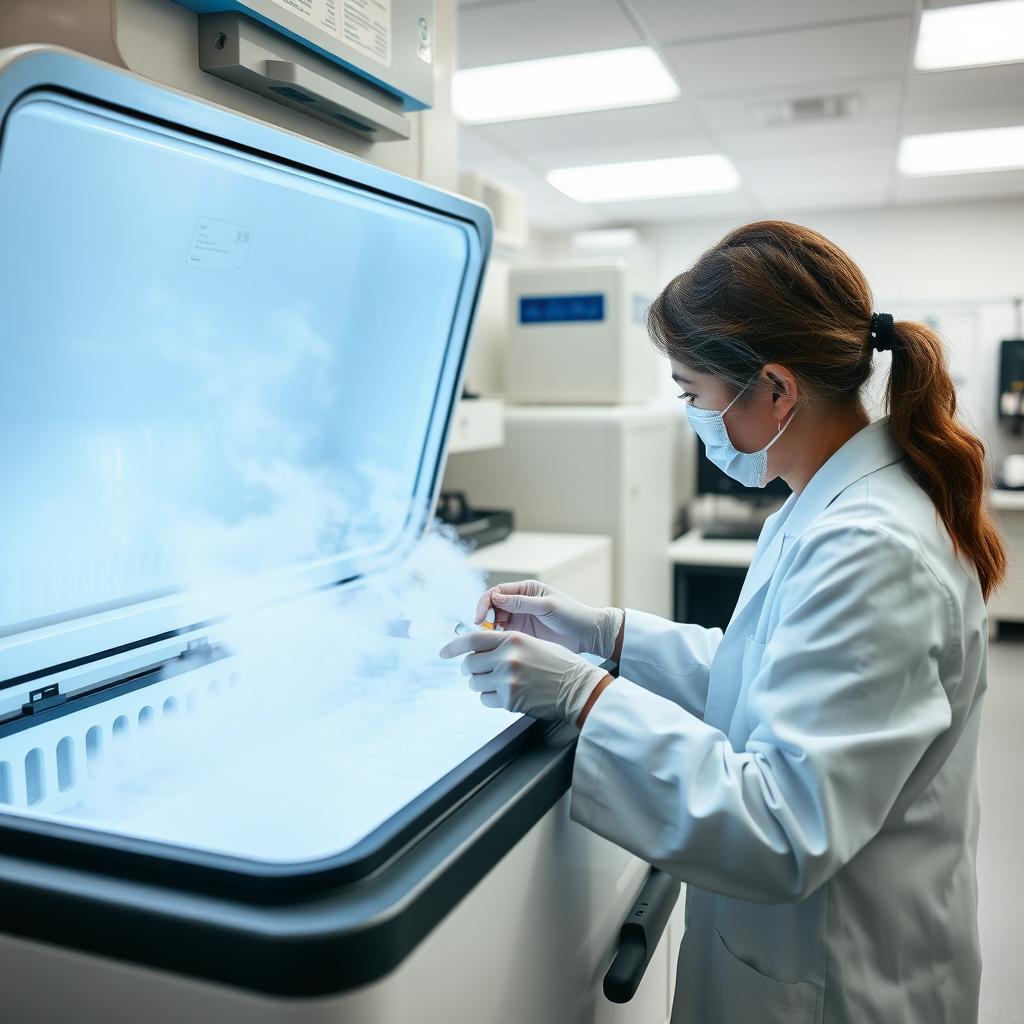
Fertility preservation involves medical techniques to save eggs, sperm, or embryos for future use. It’s often a lifeline for people facing cancer treatments, age-related infertility, or other health issues. The decision to pursue it is deeply personal, shaped by medical, emotional, and financial factors. For many, it’s a race against time, balancing hope for a future family with the realities of their current situation.
The process isn’t just medical—it’s an emotional rollercoaster. Imagine being told your cancer treatment could end your chance to have kids. Or realizing in your late 30s that your biological clock is ticking louder than ever. These moments spark a mix of urgency, grief, and determination. Yet, taking action can feel empowering, like reclaiming control over an uncertain future.

Fertility Preservation Techniques for Cancer Patients
Cancer treatments like chemotherapy or radiation can damage reproductive organs, making fertility preservation techniques for cancer patients critical. Options include:
- Egg Freezing: Harvesting and freezing eggs before treatment.
- Sperm Banking: Collecting and storing sperm for future use.
- Embryo Freezing: Creating and freezing embryos, often for couples.
- Ovarian Tissue Freezing: An experimental method for women, where ovarian tissue is preserved.
Each option has unique challenges. For example, egg freezing requires hormone stimulation, which can take weeks—time some cancer patients don’t have. The emotional weight of these choices is heavy, as patients juggle life-saving treatments with dreams of parenthood.
For cancer patients, the decision often comes at a vulnerable time. One woman shared, 'I was diagnosed with breast cancer at 28. The idea of losing my fertility hit harder than the cancer itself. Freezing my eggs gave me hope, but the process was overwhelming.' Stories like hers highlight the resilience required to navigate this journey.
Fertility Preservation and Age
Age plays a big role in fertility preservation. As women age, egg quantity and quality decline, often starting in their 30s. Fertility preservation and age are closely linked because younger eggs have a higher chance of leading to successful pregnancies later. Men also face age-related declines in sperm quality, though the impact is less pronounced.
For women in their 20s or early 30s, freezing eggs can feel like an insurance policy. One 32-year-old shared, 'I wasn’t ready for kids, but I wanted the option. Freezing my eggs felt like a gift to my future self.' However, older individuals may face lower success rates, adding emotional complexity to the decision.
The Emotional Highs and Lows
The emotional journey of fertility preservation is a mix of hope and heartache. The process often starts with optimism—taking steps to secure a future family feels proactive. But it’s not without pain. The uncertainty of whether preserved eggs or sperm will lead to a baby can weigh heavily. Financial costs, which can range from $10,000 to $15,000 for egg freezing, add stress. For many, it’s a leap of faith.
Grief is common, especially for those facing infertility due to medical conditions. One man shared, 'After my testicular cancer diagnosis, I banked sperm. It was hard to face the idea that this might be my only shot at fatherhood.' These stories remind us that fertility preservation isn’t just about science—it’s about processing loss while holding onto hope.
Coping Strategies for the Emotional Journey
Navigating this journey requires emotional strength. Here are practical ways to cope:
- Seek Support: Join support groups or online communities. Hearing others’ stories can ease feelings of isolation.
- Counseling: A therapist specializing in fertility issues can help process complex emotions.
- Educate Yourself: Learn about your options. Knowledge reduces fear. Reputable sources like the American Society for Reproductive Medicine (ASRM) offer reliable information (asrm.org).
- Practice Self-Care: Meditation, journaling, or exercise can help manage stress.
- Communicate: Talk openly with partners, family, or friends about your needs.
One patient found journaling transformative: 'Writing about my fears helped me feel less alone. It was like talking to a friend who understood.' Small steps like these can make a big difference.

Financial and Ethical Considerations
The cost of fertility preservation can be a barrier. Insurance coverage varies, and many pay out of pocket. Some clinics offer financing plans, but the expense can still feel daunting. Ethically, questions arise about what happens to unused embryos or how long frozen eggs should be stored. These decisions require careful thought and often spark deep emotional debates.
Looking Ahead: Hope and Resilience
Despite the challenges, fertility preservation offers a powerful sense of possibility. Advances in technology are improving success rates, and more people are accessing these options. The emotional journey is tough, but it’s also a testament to human resilience. Every step—whether it’s freezing eggs or banking sperm—is a commitment to a future filled with hope.
Summary
The Emotional Journey of Fertility Preservation is a deeply personal experience, blending hope, uncertainty, and strength. Whether driven by cancer, age, or other factors, the decision to preserve fertility is a brave one. By understanding the techniques, seeking support, and embracing self-care, individuals can navigate this path with resilience. For more insights, explore the recommended readings below.