Understanding Embryo Cryopreservation: A Comprehensive Guide to IVF Success
Aug. 30, 2025, 6:44 a.m.
Overview
Embryo cryopreservation is a game-changer in fertility treatments. It allows couples to freeze embryos for future use, offering flexibility and hope in their journey to parenthood. This article dives into Understanding Embryo Cryopreservation, its benefits, and how it ties into advancements in IVF technology.
What Is Embryo Cryopreservation?
Embryo cryopreservation involves freezing embryos created during in vitro fertilization (IVF) for later use. After eggs are retrieved and fertilized in a lab, healthy embryos can be preserved at sub-zero temperatures. This process pauses their development, allowing them to be thawed and transferred to the uterus when the time is right.
The technique is often used when patients have extra embryos after an IVF cycle or need to delay pregnancy due to medical, personal, or financial reasons. It’s a cornerstone of modern fertility treatments, giving people control over their reproductive timeline.
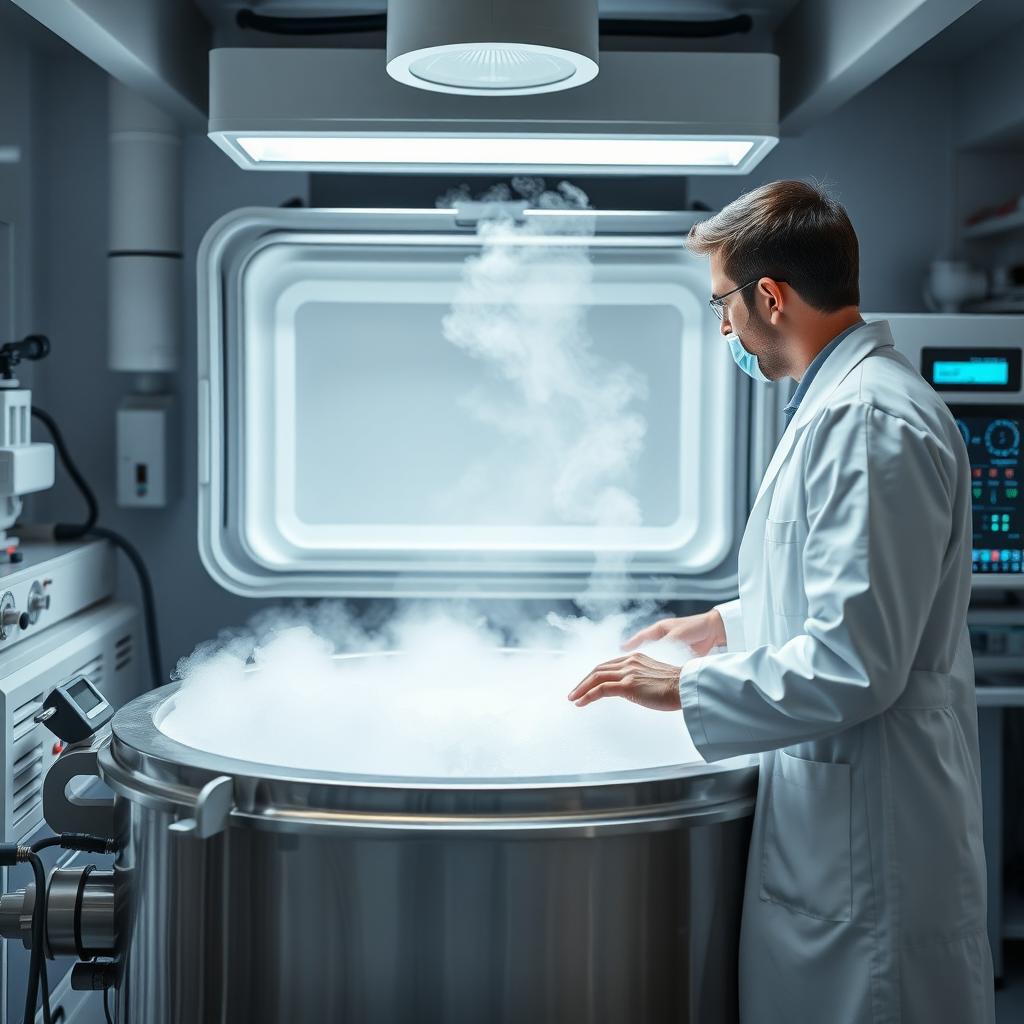
How Does Embryo Cryopreservation Work?
The process starts with IVF, where eggs are collected and fertilized with sperm to create embryos. Once embryos reach a certain stage—usually the blastocyst stage, around day 5 or 6—they’re evaluated for quality. High-quality embryos are selected for freezing using a method called vitrification.
Vitrification is a fast-freezing technique that prevents ice crystals from forming, which could damage the embryo. Embryos are placed in a special solution, then rapidly cooled in liquid nitrogen to -196°C. They’re stored in secure tanks until needed, sometimes for years, with no significant loss in quality.
Why Vitrification Matters
Older freezing methods, like slow freezing, were less reliable and could harm embryos. Vitrification, however, has revolutionized Advancements in IVF Technology. It boasts survival rates of over 90% for thawed embryos, making it the gold standard. This reliability gives patients confidence that their embryos will remain viable when they’re ready to use them.
Benefits of Embryo Cryopreservation for IVF
Embryo cryopreservation offers several advantages, making it a vital tool for fertility patients. Here are the key benefits of embryo cryopreservation for IVF:
- Increased Flexibility: Patients can delay pregnancy without starting a new IVF cycle, saving time and money.
- Higher Success Rates: Frozen embryo transfers often have comparable or better success rates than fresh transfers, as the uterus can be better prepared.
- Reduced Risk: Freezing embryos allows for Understanding Preimplantation Genetic Testing in IVF (PGT), where embryos are screened for genetic issues before transfer.
- Multiple Chances: Extra embryos mean multiple opportunities for pregnancy without repeating egg retrieval.
- Medical Preservation: Patients facing treatments like chemotherapy can preserve their fertility for the future.
These benefits empower patients to plan their families on their terms, whether they’re navigating health challenges or personal goals.

The Role of Preimplantation Genetic Testing (PGT)
Understanding Preimplantation Genetic Testing in IVF is key to grasping the full potential of embryo cryopreservation. PGT involves testing embryos for genetic or chromosomal abnormalities before freezing or transfer. This step is especially valuable for older patients, those with a history of miscarriage, or couples with known genetic conditions.
By combining PGT with cryopreservation, patients can freeze only the healthiest embryos, increasing the odds of a successful pregnancy. PGT also reduces the risk of passing on genetic disorders, offering peace of mind. The process requires embryos to be biopsied, which is safe when done by skilled embryologists.
Advancements in IVF Technology
The field of fertility treatment is constantly evolving, and Advancements in IVF Technology have made embryo cryopreservation more effective than ever. Beyond vitrification, innovations like time-lapse imaging allow embryologists to monitor embryo development without disturbing them. Artificial intelligence (AI) is also being used to predict which embryos are most likely to result in a healthy pregnancy.
These technologies work hand-in-hand with cryopreservation, ensuring that only the best embryos are frozen and thawed. Clinics now use advanced cryostorage systems with 24/7 monitoring to keep embryos safe. These improvements have made IVF more accessible and successful for millions worldwide.
Who Can Benefit from Embryo Cryopreservation?
Embryo cryopreservation is a versatile option for many people. Here’s a quick look at who might consider it:
| Group | Reason for Cryopreservation |
|---|---|
| Couples undergoing IVF | To store extra embryos for future transfers |
| Cancer patients | To preserve fertility before chemotherapy or radiation |
| Single women | To delay motherhood while preserving fertility |
| Same-sex couples or individuals | To plan for future family-building with donor sperm or eggs |
| Those with genetic concerns | To use PGT and select healthy embryos |
No matter the situation, cryopreservation offers hope and options for building a family when the time is right.

What to Expect During the Process
For patients, the cryopreservation process is straightforward. After an IVF cycle, your doctor will discuss which embryos are suitable for freezing. You’ll sign consent forms outlining storage duration and what happens to the embryos in various scenarios (like divorce or death). The clinic handles the technical side, but you’ll need to decide how long to store the embryos and pay annual storage fees, typically a few hundred dollars.
When you’re ready to use the embryos, the thawing process is quick. The embryologist carefully warms the embryos, and they’re transferred to the uterus during a frozen embryo transfer (FET) cycle. The FET process is less invasive than a full IVF cycle, often requiring only hormonal medications to prepare the uterus.
Personal Insights: The Emotional Side
As someone who’s seen friends navigate IVF, I can say cryopreservation brings a mix of relief and anticipation. Knowing you have embryos waiting can feel like a safety net—it’s a chance to pause and plan without losing hope. One friend described it as “having a piece of the future secured.” But it’s not without challenges. Deciding what to do with unused embryos can be emotional, and the waiting period before a transfer can feel endless.
Talking openly with your partner, doctor, or a counselor can help. Many clinics offer support groups or counseling to guide patients through the emotional ups and downs. It’s okay to feel overwhelmed; you’re not alone.
Risks and Considerations
While embryo cryopreservation is highly effective, it’s not without risks. A small percentage of embryos may not survive thawing, though vitrification has minimized this issue. Storage facilities are generally secure, but rare technical failures can occur, so choosing a reputable clinic is crucial. Ethical questions, like what to do with unused embryos, also arise. Options include donating to other couples, research, or compassionate disposal.
Discuss these possibilities with your doctor early on to make informed choices. Reputable clinics follow strict guidelines, and organizations like the American Society for Reproductive Medicine (ASRM) provide resources to help patients navigate these decisions.
Summary
Embryo cryopreservation is a powerful tool in the world of fertility, offering hope, flexibility, and higher success rates for IVF patients. By understanding embryo cryopreservation and related technologies like PGT, you can make informed decisions about your family-building journey. With ongoing Advancements in IVF Technology, the process is safer and more effective than ever, giving countless people the chance to become parents when the time is right.