What Is Preimplantation Genetic Testing? A Beginner’s Guide
Nov. 25, 2025, 6:33 a.m.
What Is Preimplantation Genetic Testing? A Beginner’s Guide
Preimplantation genetic testing, or PGT, offers hope to couples facing fertility challenges. It lets doctors check embryos for genetic issues before placing them in the uterus during IVF. This simple step can lower risks of miscarriage and health problems for babies. In this guide, we’ll cover the basics, from the process to real-life benefits, in easy-to-follow steps.
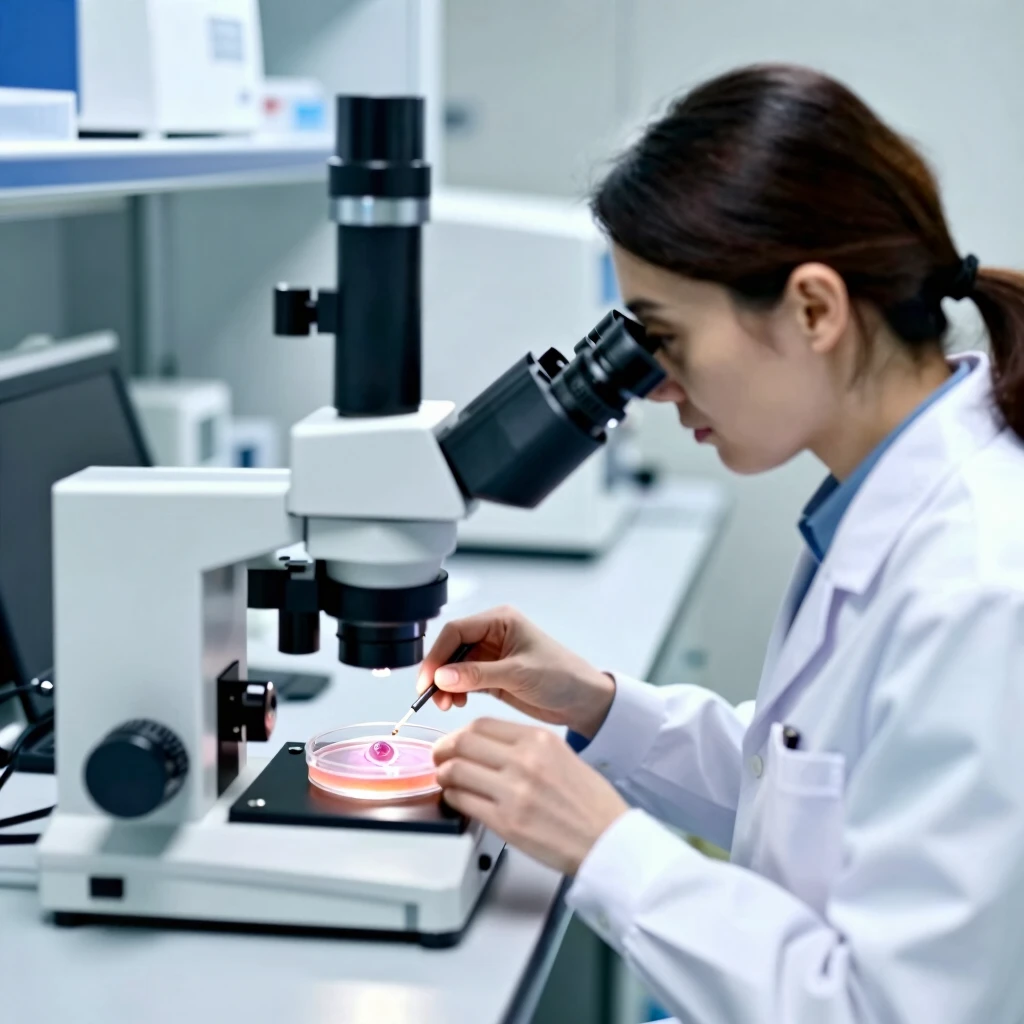
Understanding Preimplantation Genetic Testing in IVF
Imagine starting your family without the worry of passing on a genetic condition. That’s the promise of PGT. It’s a tool used right in the heart of in vitro fertilization (IVF). Doctors create embryos in a lab by mixing eggs and sperm. Then, they test a tiny piece of each embryo to spot any genetic red flags.
PGT isn’t new, but it’s become more reliable over time. Families choose it for reasons like family history of diseases or repeated miscarriages. One couple I know shared how PGT gave them confidence after two tough losses. They tested their embryos and welcomed a healthy baby girl last year. Stories like theirs show why this test matters so much.
There are three main types of PGT. Each targets different concerns:
| Type | What It Checks | Best For |
|---|---|---|
| PGT-A (Aneuploidy) | Extra or missing chromosomes | Older parents or miscarriage history |
| PGT-M (Monogenic) | Single gene disorders like cystic fibrosis | Families with inherited conditions |
| PGT-SR (Structural Rearrangements) | Chromosome breaks or flips | Couples with balanced translocations |
This table helps you see the options at a glance. Pick the one that fits your story with your doctor’s advice.
The Step-by-Step Process of PGT
Let’s walk through what happens. First, you go through ovarian stimulation. Hormones help your body make multiple eggs. Doctors retrieve them in a quick procedure under light sedation.
Next, those eggs meet sperm in the lab. Fertilization creates embryos that grow for three to five days. Here’s where PGT steps in. On day five, when embryos reach the blastocyst stage, the team removes a few cells from the outer layer. This biopsy doesn’t hurt the embryo—it’s like taking a small sample from the placenta-to-be.
Those cells go for analysis. Labs use advanced tools to read the DNA. Results come back in days, showing which embryos look healthy. You and your doctor decide which to transfer.
I remember chatting with a patient who felt nervous about the biopsy. We talked it through, and she said knowing the science made her feel empowered. The key? It’s safe and routine now, with success rates holding strong.
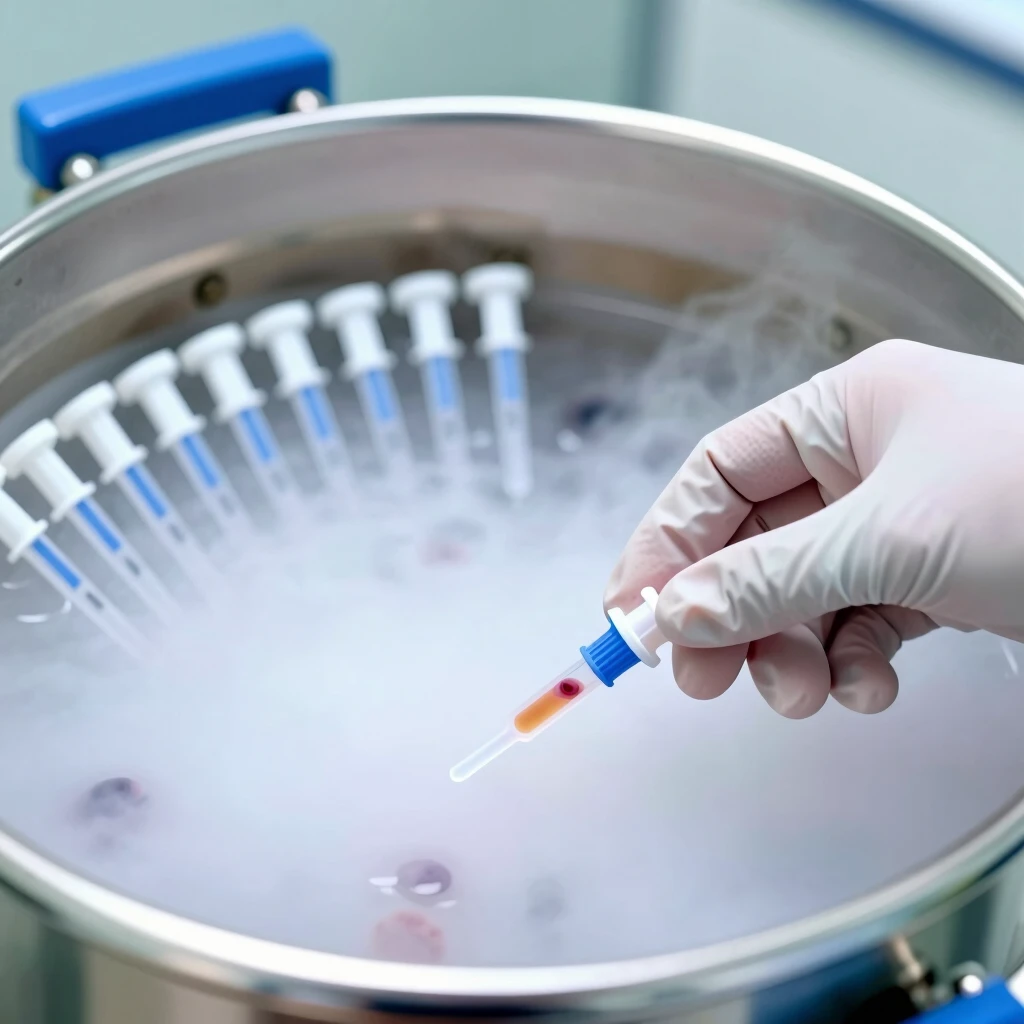
Understanding Embryo Cryopreservation
Not every embryo gets transferred right away. That’s where freezing comes in. Embryo cryopreservation saves extras for later. It’s a game-changer for building your family over time.
The process uses vitrification—a super-fast freezing method. Embryos go into protective solutions, then flash-freeze in liquid nitrogen at -196°C. When you’re ready, they thaw quickly with warm baths and solutions. Survival rates top 90% with today’s tech.
One family I advised froze three embryos after their first IVF round. Two years later, they used one for their second child. No need to start over. It saved time, money, and emotional energy.
Benefits of Embryo Cryopreservation for IVF
Why freeze? It boosts your odds. Fresh transfers can overwhelm your body with hormones, risking issues like ovarian hyperstimulation. Frozen cycles let your uterus recover, often leading to higher pregnancy rates—up to 60% in some studies.
Here’s a quick list of perks: - More chances: Store healthy embryos for future tries. - Timing control: Transfer when your body’s ready, not rushed. - Cost savings: Skip full IVF cycles later. - Genetic peace: Pair with PGT for top-quality picks.
For detailed overview of preimplantation genetic diagnosis from NIH researchers, check this resource. It dives into how testing and freezing team up.
Cryopreservation also eases the IVF journey. No more monthly egg retrievals if life gets busy. Families tell me it feels like having a safety net. And with PGT, you freeze only the best, raising success without multiples.
Advancements in IVF Technology
IVF isn’t stuck in the past. New tools make it smarter and gentler. Take next-generation sequencing (NGS) for PGT. It scans all 46 chromosomes at once, spotting issues FISH missed years ago.
Non-invasive tests are rising too. Labs now check DNA floating in embryo culture fluid—no biopsy needed. Early results show promise for accuracy without touching the embryo.
Artificial intelligence helps too. AI predicts which embryos will thrive by watching growth videos. These steps cut stress and up live birth rates, especially for women over 35.
Excited about the future? Recent advancements in PGT technologies highlight how NGS and AI are changing lives. It’s inspiring to see tech make dreams real.
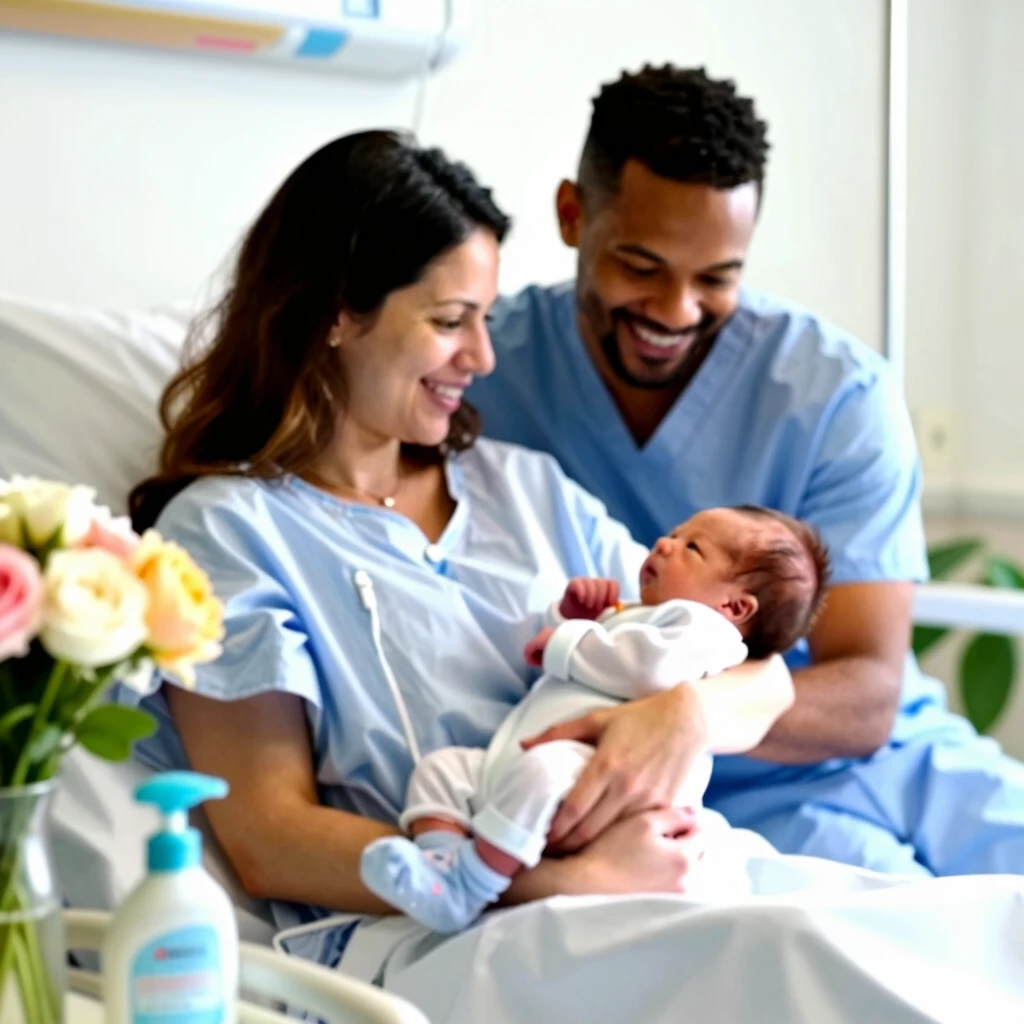
Real Stories: How PGT Changed Lives
Meet Sarah and Tom. They carried a gene for cystic fibrosis. After two heartbreaking miscarriages, they turned to IVF with PGT. Testing revealed two unaffected embryos. They transferred one—now their son, Liam, is two and thriving.
Or consider Maria, 38, with recurrent losses. PGT-A found most embryos had chromosome issues. Freezing the good ones let her transfer at the perfect time. Her daughter arrived nine months later.
These aren’t rare wins. Studies show PGT drops miscarriage from 20-30% to under 5%. But it’s personal. I’ve seen tears turn to smiles in clinic waiting rooms. It’s why I love this field.
What About Risks and Costs?
No procedure’s perfect. Biopsy might slightly slow embryo growth, but blastocyst stage keeps risks low. Mosaicism—mixed healthy and unhealthy cells—can confuse results, so doctors discuss it upfront.
Costs add up: $3,000-$6,000 extra per cycle for PGT, plus freezing fees. Insurance covers vary—check yours. Weigh it against emotional savings. For many, it’s worth every penny.
Learn more about how PGT fits into the IVF process from Mayo Clinic for trusted guidance.
Explore the science behind embryo freezing in assisted reproduction to understand cryopreservation’s role.
Talk to your doctor early. They’ll tailor advice to you. Support groups help too—sharing stories builds strength.
Wrapping It Up: Your Next Steps
What Is Preimplantation Genetic Testing? A Beginner’s Guide ends here, but your journey starts now. PGT, paired with smart freezing, turns IVF hurdles into stepping stones. It offers choices, reduces risks, and opens doors to healthy families.
Remember Sarah, Tom, and Maria? Their paths show it’s possible. With advancements rolling out, tomorrow looks brighter. Take a breath, ask questions, and reach out. You’re not alone.