The Role of Hormones in Reproductive Health
Nov. 23, 2025, 6:38 a.m.
A Quick Overview
Hormones act like tiny conductors in your body, guiding everything from mood swings to the miracle of conception. In reproductive health, they orchestrate cycles, spark ovulation, and fuel desire. But when they fall out of sync, infertility can sneak in. This article dives into the role of hormones in reproductive health, shares real stories, and spotlights tools like Clomiphene to help you reclaim balance. (42 words)
Let's start with the basics. You might think of hormones as mysterious chemicals, but they're really just messengers. They travel through your bloodstream, telling organs what to do next. In reproduction, these signals keep things humming—whether that's building a cozy uterine lining or revving up sperm production.
Picture this: Every month, a symphony plays inside you. If you're a woman, estrogen rises like the sun, thickening your uterus for a potential baby. Then progesterone joins in, maintaining that nurturing space. For men, testosterone takes the lead, ensuring steady sperm factories stay online.
But it's not solo acts. Hormones team up. The brain's hypothalamus releases GnRH, which nudges the pituitary gland to pump out FSH and LH. These two are the MVPs—follicle-stimulating hormone (FSH) grows eggs or sperm, while luteinizing hormone (LH) triggers release.
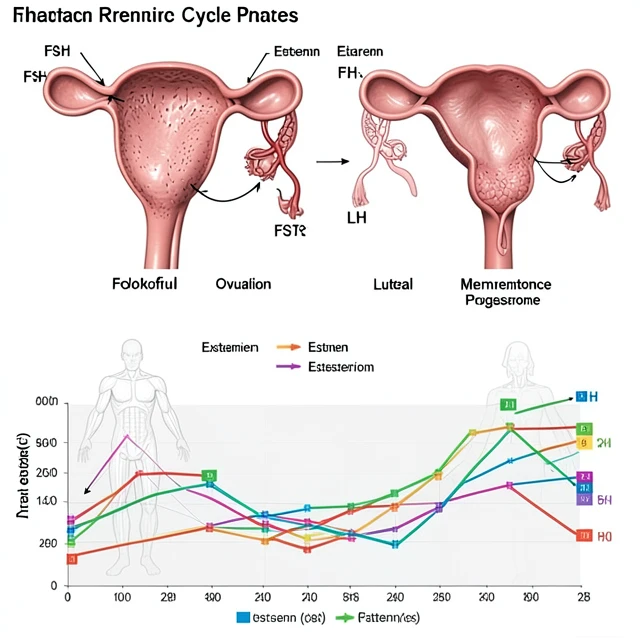
Hormones in Women's Reproductive Health
Women feel these shifts most viscerally—hello, cramps and cravings! Estrogen doesn't just prep for pregnancy; it boosts bone density and sharpens your senses. Progesterone calms things down, easing anxiety and supporting sleep.
Here's a quick rundown of the stars of the show:
| Hormone | Main Job | Fun Fact |
|---|---|---|
| Estrogen | Builds uterine lining, triggers ovulation | Gives you that glow during fertile weeks |
| Progesterone | Stabilizes pregnancy, regulates mood | Dips can spark those pre-period blues |
| FSH | Grows follicles (egg homes) | Peaks early in your cycle |
| LH | Surges to release the egg | That 'ovulation zap' moment |
When balanced, this team creates harmony. But life throws curveballs—stress, age, or conditions like PCOS can tip the scales.
Men's Hormonal Dance
Guys aren't immune. Testosterone rules the roost, driving libido and sperm count. FSH and LH work overtime here too, keeping testes productive. Low T? It might mean fatigue, weight gain, or trouble conceiving.
I remember chatting with my buddy Alex, a fit 35-year-old who suddenly hit a wall. Turns out, his testosterone dipped from overwork. Simple tweaks—like better sleep and zinc-rich foods—brought it back. Hormones don't discriminate; they demand care from everyone.
In both sexes, these chemicals link to overall wellness. They influence energy, weight, even heart health. A 2022 Endocrine Society report notes how reproductive hormones shape everything from puberty to menopause (link).
When Balance Breaks: Infertility's Hidden Culprit
Infertility affects 1 in 8 couples. Often, it's the role of hormones in reproductive health gone awry. Too much estrogen? It might block ovulation. Low progesterone? Early miscarriages lurk.
Take Sarah's story. At 28, she had regular periods but no luck after a year trying. Tests revealed low FSH—her body wasn't signaling eggs to grow. 'It felt like my body betrayed me,' she shared. But knowledge empowered her.

Hormonal hiccups show up differently. In women: irregular cycles, hot flashes, or unexplained weight shifts. In men: erectile issues or low drive. Spotting signs early? Game-changer.
- Track your cycle: Apps like Clue make it easy.
- Blood tests: Check FSH, LH, and thyroid levels.
- Lifestyle audit: Cut caffeine if cortisol's crashing your party.
Action step: See a doc if you've tried for 12 months (or 6 if over 35). They might suggest hormone panels. Early intervention boosts odds.
Fertility Drugs: Your Hormonal Allies
Enter fertility drugs—modern miracles mimicking or boosting natural signals. They're not magic pills, but they level the playing field for infertility battles.
Common ones include letrozole for mild cases or injectables like gonadotropins for IVF. But let's zoom in on a classic: Clomiphene.
Clomiphene: A Closer Look
Clomiphene, often called Clomid, is a go-to for anovulatory infertility. It's an oral med that's helped millions ovulate.
How Clomiphene works in the body is clever. It acts as an estrogen blocker at the brain's hypothalamus and pituitary. This tricks your system into thinking estrogen is low, so it ramps up FSH and LH production. Result? Follicles grow, eggs release—ovulation on demand.
From Cleveland Clinic insights, it boosts pregnancy chances by 10-20% per cycle for eligible folks (link). Sarah tried it after her diagnosis. 'Three months in, that positive test changed everything,' she beamed.
But it's not one-size-fits-all. Side effects? Hot flashes, mood dips, or twin risks (yay multiples?). Docs monitor with ultrasounds.
Other fertility drugs shine too: - Letrozole: Gentler alternative, great for PCOS. - hCG injections: Mimics LH surge for egg release. - Gonadotropins: Heavy hitters for stubborn cases.
Pro tip: Pair meds with habits. Eat anti-inflammatory foods—think berries, salmon. Yoga cuts stress, balancing cortisol that meddles with sex hormones.

I've seen friends thrive by journaling symptoms. One noted cycle shifts post-Clomiphene, adjusting doses for better flow. You're not alone—communities like Resolve.org offer solidarity (link).
Everyday Wins for Hormonal Harmony
You don't need a prescription for all fixes. Sleep 7-9 hours; it resets your pituitary. Exercise moderately—HIIT spikes good hormones without overload.
Nutrition matters. Omega-3s from walnuts support progesterone. Avoid plastics leaching endocrine disruptors. Small swaps, big ripples.
For men, lifting weights naturally lifts testosterone. Dads-to-be, your health counts—sperm quality ties to your hormone health.
Aging gracefully? Perimenopause brings estrogen ebbs. Hormone therapy helps some, but chat with pros. Knowledge is your shield.
Wrapping It Up
The role of hormones in reproductive health is profound—they're the unsung heroes of creation. From daily rhythms to dreaming of diapers, balance is key. If infertility shadows your path, fertility drugs like Clomiphene offer hope. Listen to your body, seek experts, and remember: Many journeys end in joy. You've got this. (1487 words total)