Understanding the IVF Process: A Step-by-Step Guide
Nov. 20, 2025, 6:31 a.m.
A Quick Overview of Your IVF Journey
If you've been facing infertility, you're not alone. Millions turn to IVF each year for a chance at parenthood. This step-by-step guide demystifies the process, from initial tests to that joyful positive test. We'll cover the essentials, including the types of gonadotropins in fertility treatments, so you can approach it with confidence. Think of it as your roadmap through this emotional and medical adventure.

Step 1: Getting Started – Your Initial Consultation
The IVF journey begins with a heart-to-heart chat with your fertility specialist. This isn't just paperwork; it's where you share your story. Expect questions about your medical history, lifestyle, and any past fertility struggles.
Your doctor will run tests to pinpoint the cause of infertility. For women, this might include blood work for hormone levels and an ultrasound to check your ovaries. Men get semen analysis to assess sperm quality. These steps help tailor your plan.
I remember a patient named Sarah who walked in feeling defeated after years of trying naturally. That first visit? It lit a spark. She learned her low egg reserve was the hurdle, and suddenly, options like IVF felt real. Knowledge truly eases the fear.
Pro tip: Bring a notebook. Jot down questions like, 'What are my success odds?' or 'How does my age factor in?' This keeps you focused amid the nerves.
Step 2: Preparing Your Body – Ovarian Stimulation
Now comes the action. Ovarian stimulation kickstarts your ovaries to produce multiple eggs. Without this, you'd release just one egg per cycle – not ideal for IVF.
Here's where fertility drugs shine. You start with oral meds or injections to suppress natural cycles, then ramp up with gonadotropins. These powerhouse hormones mimic your body's signals to grow follicles.
Understanding Gonadotropins and Other Fertility Drugs
Gonadotropins are the stars of this phase. They include follicle-stimulating hormone (FSH) to grow eggs and luteinizing hormone (LH) to mature them. Common types? Recombinant FSH like Gonal-F or Follistim, and human menopausal gonadotropin (hMG) such as Menopur, which blends FSH and LH.
For deeper dives, check this overview of gonadotropin therapy from the National Institutes of Health. It explains how these drugs boost egg production safely.
Injections happen daily for 8-14 days. Side effects? Bloating or mood swings, but they're temporary. Sarah injected her first shot with shaky hands – by week two, it was routine. 'It felt like reclaiming control,' she said.
| Common Types of Gonadotropins | What They Do | Example Brands |
|---|---|---|
| Recombinant FSH | Stimulates follicle growth | Gonal-F, Follistim |
| hMG (FSH + LH) | Grows and matures eggs | Menopur |
| Pure LH | Supports final maturation | Luveris |
This table simplifies choices your doctor might discuss based on your needs.
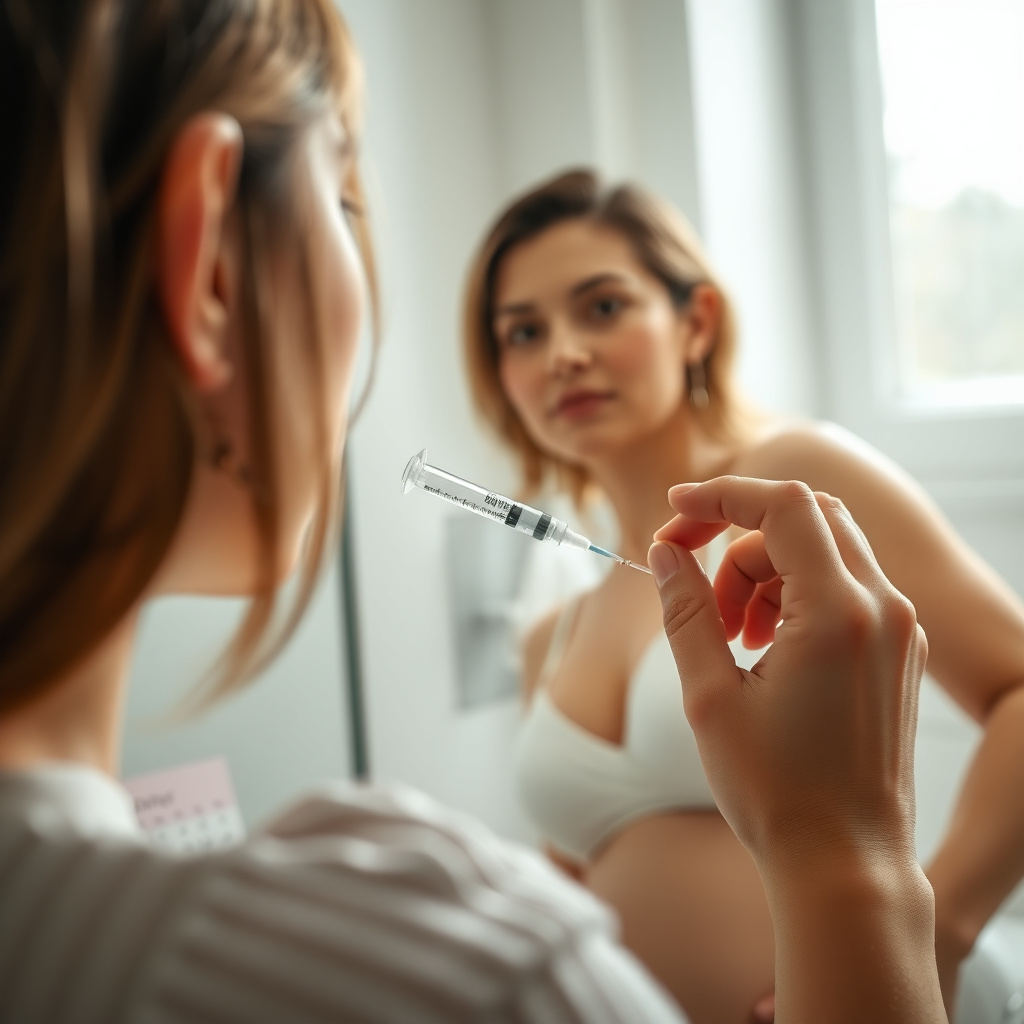
Step 3: Monitoring Progress – Frequent Check-Ins
Stimulation isn't set-it-and-forget-it. You'll visit the clinic every few days for ultrasounds and blood draws. These track follicle size and hormone levels, ensuring eggs develop evenly.
It's like fine-tuning a recipe – too little stimulation, and yields drop; too much, and risks like ovarian hyperstimulation rise. Your doc adjusts doses on the fly.
One insight from my practice: These visits build community. Waiting rooms buzz with shared nods and whispers. 'How's your count?' becomes a lifeline. Embrace it; you're all in this together.
- Ultrasound: Measures follicles (aim for 10-20 mature ones).
- Blood tests: Checks estrogen and progesterone.
- Trigger shot: When ready, an hCG injection ripens eggs for retrieval.
This phase lasts about two weeks, blending hope with impatience.
Step 4: Egg Retrieval – Harvesting Your Future
Excitement builds! Under light sedation, a doctor uses ultrasound-guided needle to collect eggs from your ovaries. It's outpatient – in and out in 30 minutes.
Mild cramping follows, but rest and chocolate help. Typically, 10-15 eggs retrieve, though quality trumps quantity.
For a visual walkthrough, see this step-by-step from Mayo Clinic. It covers what to expect, easing pre-procedure jitters.
Sarah retrieved 12 eggs. 'Waking up to good news was surreal,' she shared. That moment? Pure possibility.
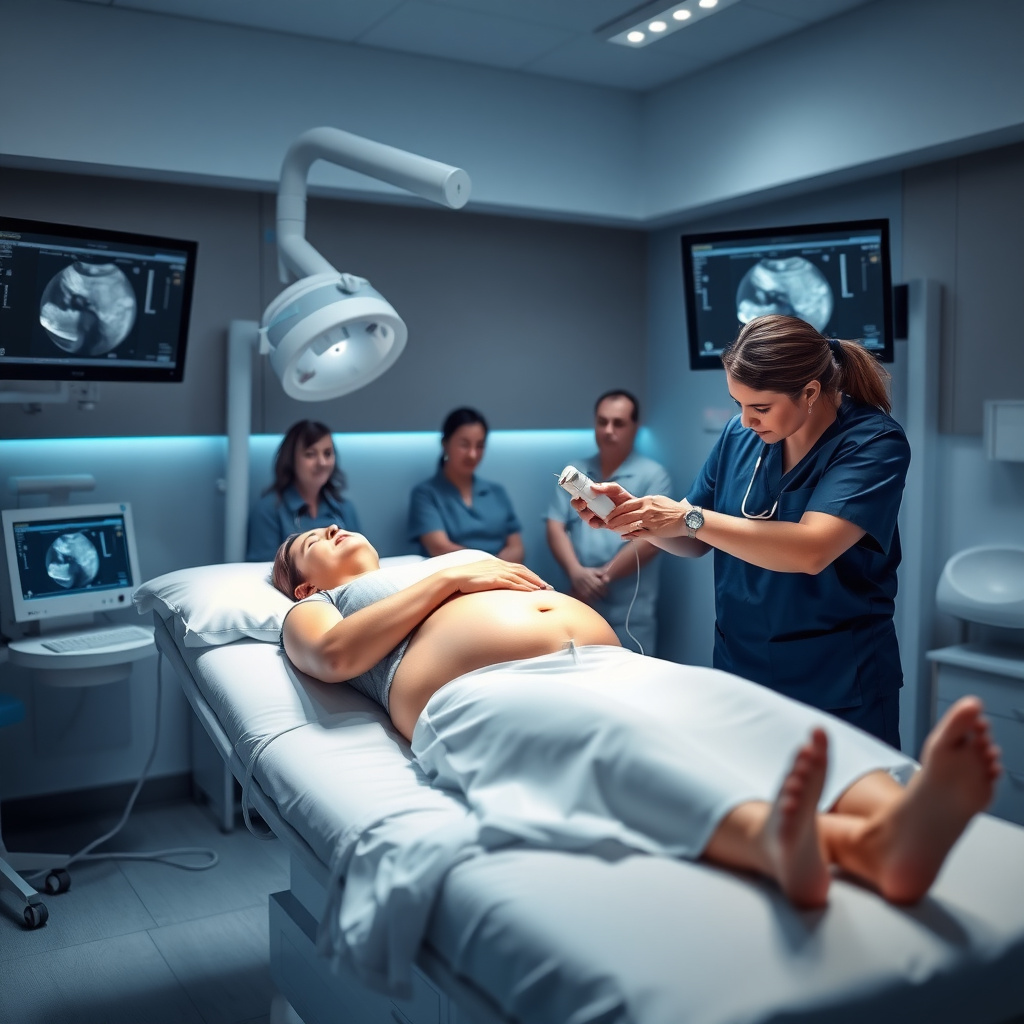
Step 5: Fertilization – Creating Embryos
Meanwhile, your partner provides a sperm sample (or donor sperm arrives). In the lab, eggs meet sperm via standard IVF or ICSI (injecting sperm directly into eggs for tricky cases).
Embryos culture for 3-5 days. Techs watch them divide, grading for viability. Genetic testing (PGT) can screen for issues if needed.
This lab magic fascinates me. Embryos at day five, called blastocysts, show resilience. It's science meeting miracle.
Fun fact: Not all eggs fertilize – about 70% do. Patience here pays off.
Step 6: Embryo Transfer – Placing Hope in Place
Select the healthiest embryo(s). A thin catheter guides it into your uterus – no anesthesia, just a quick speculum check. It's gentler than a Pap smear.
'Bed rest? Nah,' docs say now. Resume light activities, but skip marathons. Progesterone supplements support implantation.
Explore embryo transfer details from UCSF Health for tips on what follows.
Sarah transferred two. Walking out, she felt full of promise. 'It's like planting a seed,' she likened.
Step 7: The Two-Week Wait and Beyond
Ah, the luteal phase – 10-14 days of 'what ifs.' Symptoms mimic PMS: tender breasts, fatigue. Resist googling every twinge.
Beta hCG blood test confirms pregnancy. Positive? Ultrasounds track heartbeat. Negative? Grieve, then regroup – many succeed on try two or three.
Infertility stats: IVF births top 2% of U.S. babies yearly. Your odds? 40-50% under 35, per cycle.
From experience, this wait tests souls. Journal, walk, lean on loved ones. One patient swore by meditation apps – it steadied her.
- Positive test: Early prenatal care starts.
- Negative: Debrief with your team; freeze extras if available.
- Emotional support: Therapy or groups normalize the rollercoaster.
Real Talk: Navigating Emotions and Costs
IVF isn't just medical; it's emotional marathon. Infertility stirs grief, envy, joy. Share with a partner – misaligned expectations strain bonds.
Costs average $12,000-$15,000 per cycle, sans meds ($3,000+). Insurance varies; grants exist. Weigh frozen transfers for budget smarts.
A heartfelt note: Celebrate small wins, like acing injections. You've got this resilience already.
Wrapping It Up: Your Path Forward
Understanding the IVF process empowers you. From gonadotropins fueling growth to that embryo nestling in, each step builds toward family. Infertility challenged you, but IVF? It's your comeback story.
Stay informed, seek support, trust your team. Whether this cycle works or not, you're brave. Here's to hope – and maybe tiny socks soon.