Understanding Chemotherapy and Fertility: Preserving Your Future Options
Nov. 19, 2025, 6:37 a.m.
A Quick Overview
Facing cancer treatment like chemotherapy often brings tough choices. Understanding chemotherapy and fertility helps you protect your dreams of family. This guide covers effects, options for fertility preservation before chemotherapy, and how fertility clinics support cancer patients. With real insights, you'll find clear steps forward. (38 words)

How Chemotherapy Impacts Your Fertility
Chemotherapy fights cancer by targeting fast-growing cells. But it can also harm cells in your reproductive system. For women, this might mean fewer eggs or early menopause. Men could see lower sperm counts or quality issues.
Think of it like this: Your body works hard during treatment. Ovaries or testes take a hit because they produce cells quickly too. Not everyone faces permanent changes. Younger folks often bounce back better.
I remember a friend, Sarah, diagnosed at 28 with breast cancer. She worried chemo would steal her chance at kids. Turns out, her doctor caught it early. They talked options right away. That chat changed everything.
The key? Act fast. Effects vary by drug type, dose, and your age. Alkylating agents like cyclophosphamide hit hardest. But many resume normal cycles post-treatment.
According to the American Cancer Society, up to 40% of young women may face fertility issues after chemo. For men, it's similar—sperm production can drop, but often recovers.
Don't panic. Knowledge arms you. Next, we'll explore ways to safeguard your fertility.
Why Consider Fertility Preservation Before Chemotherapy?
Fertility preservation before chemotherapy gives you control. It's about banking your future—eggs, sperm, or embryos—before treatment starts. Time matters. These steps work best pre-treatment.
Imagine pausing cancer's clock on your family plans. Preservation isn't perfect, but it boosts odds. Clinics now make it quicker, often in weeks.
Sarah chose egg freezing. 'It felt empowering,' she said. 'Like I wasn't just surviving—I was planning.' Her story shows: It's doable amid chaos.
Common Fertility Preservation Options
Here's a simple breakdown:
- For Women:
- Egg freezing: Harvest and freeze mature eggs.
- Embryo freezing: Fertilize eggs with sperm first.
- Ovarian tissue freezing: Remove and freeze ovary strips.
-
Ovarian suppression: Shots to shield ovaries during chemo.
-
For Men:
- Sperm banking: Collect and freeze samples.
-
Testicular tissue freezing: For those not producing sperm yet.
-
Other Steps: Radiation shielding or moving ovaries away from beams.
Pick based on your situation. Talk to a specialist ASAP.
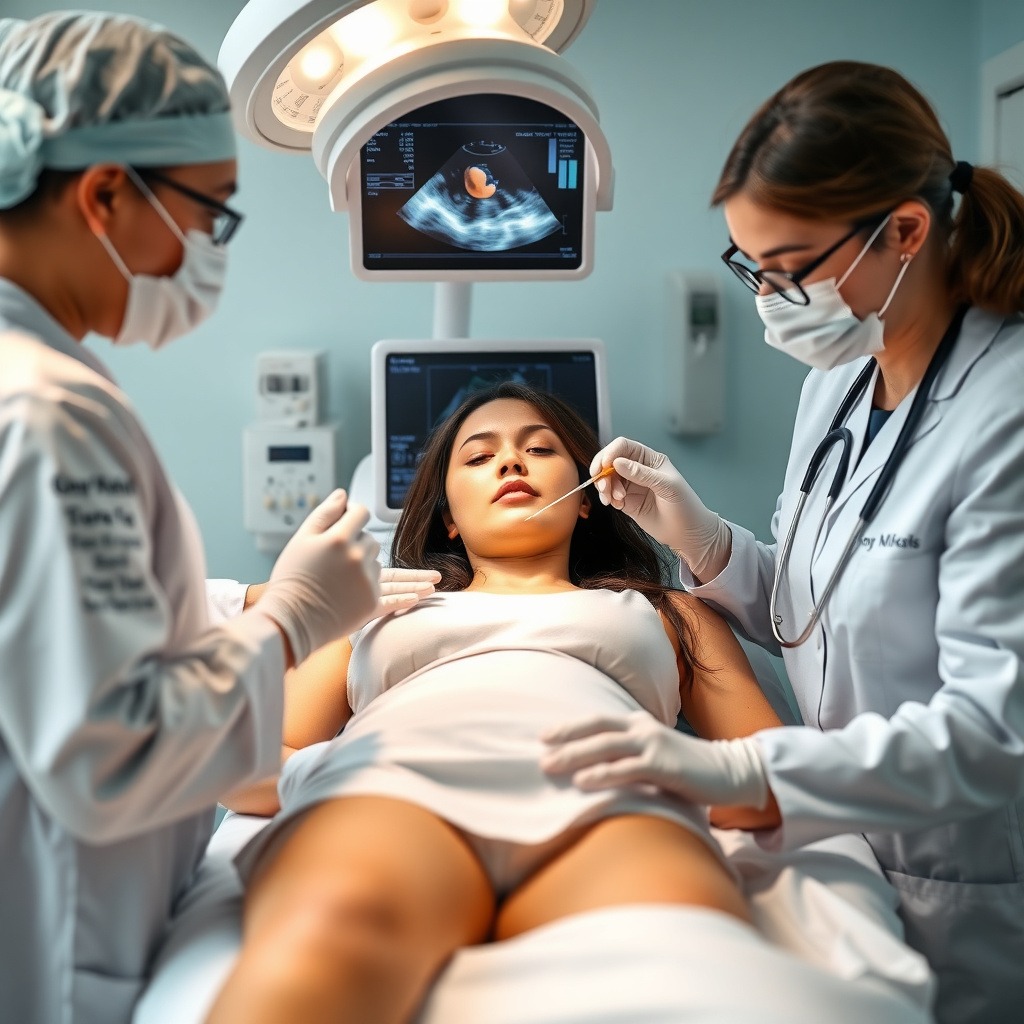
Success Rates of Fertility Preservation Before Cancer Treatment
Numbers help paint the picture. Success rates of fertility preservation before cancer treatment vary, but they're promising.
Let's look at data in a table:
| Option | Success Rate Highlights | Source |
|---|---|---|
| Egg/Embryo Freezing | 40-60% live births per cycle post-thaw | Mayo Clinic |
| Sperm Banking | 94% cryopreservation success; 70-80% usable for IVF | ASCO Guidelines 2025 |
| Ovarian Tissue | Up to 30% live births in young women | Recent studies |
| Post-Chemo Natural Conception | 40-60% for women under 35 | UI Cancer Center |
These aren't guarantees, but they're hope in stats. For breast cancer patients, one study showed 28.6% live birth rates after preservation. IVF after cancer? Conception hits 42% after one try, up to 76% by three.
Factors like age and cancer type play in. Under 35? Better odds. Remember, even without preservation, many rebuild families naturally.
A 2025 ASCO update notes: 'Timely preservation maximizes IVF outcomes.' It's not just numbers—it's lives. One patient shared, 'My frozen eggs gave me twins two years post-remission. Worth every step.'
How Fertility Clinics Support Cancer Patients
Fertility clinics shine as partners in your fight. They offer oncofertility programs tailored for speed and empathy.
How do they help?
- Quick Consults: Same-day chats with experts.
- Financial Aid: Grants like Livestrong Fertility cover costs—up to $15,000.
- Coordination: They sync with your oncologist for seamless care.
- Emotional Support: Counselors ease the mental load.
- Follow-Up: Guidance for using preserved options later.
Take UCLA Health's oncofertility team. They guide from diagnosis to baby steps. Or Chick Mission, funding preservation for young women.
'Clinics made it feel possible,' says Mike, a lymphoma survivor. He banked sperm in days. Now, he's a dad.
Pro tip: Ask your doctor for a referral now. Programs like these turn fear into action. In 2025, access grows—over 50% more clinics offer cancer-specific services.
Real Stories: Navigating Fertility Amid Cancer
Personal tales ground this. Meet Lisa, 32, with ovarian cancer. Chemo loomed. She froze embryos with her partner. 'We grieved the 'what ifs' but chose hope.' Today, she's cancer-free, embryos waiting.
Then Alex, 29, testicular cancer. Sperm banking was simple. 'One visit, done.' He says, 'It preserved normalcy.'
These aren't outliers. Surveys show 85% of young survivors value early talks. Yet, only half hear about options upfront. Push for yours.
Challenges exist—costs ($5,000-$15,000), time (2-4 weeks), emotions. But support abounds. Join groups like CancerCare for tips.

What Happens After Treatment?
Post-chemo, monitor your body. Women: Track cycles. Men: Check sperm counts.
If preserved, thawing works well. Eggs survive 90%+. Embryos? Even higher.
Build a plan: - See a reproductive endocrinologist. - Explore IVF or adoption. - Prioritize health—nutrition, stress relief.
Success stories flood in. A 2025 study: 70% of preserved users achieve pregnancy within years.
You're not alone. Resources like NCI's fertility page offer more.
Wrapping Up: Your Path Forward
Understanding chemotherapy and fertility empowers you. From options like fertility preservation before chemotherapy to clinic backing, tools exist. Success rates climb with action—grab them.
Chat with pros today. Your future family awaits. Stay strong; you've got this. (1523 words total)