How Military Life Impacts Family Planning: Challenges and Solutions
Sept. 20, 2025, 6:42 a.m.
Overview: Navigating Family Planning in Military Life
Military life brings unique challenges to family planning. Frequent deployments, unpredictable schedules, and exposure to environmental risks can complicate decisions about starting a family. This article explores how military life impacts family planning, offering insights into fertility preservation, including sperm banking for military personnel, and practical strategies for couples.
The Unique Challenges of Military Life
Military families face circumstances that most civilians don’t. The demands of service—long deployments, relocations, and high-stress environments—can disrupt plans to start or grow a family. For many, the uncertainty of when or where a service member will be stationed creates hesitation about timing. Couples may delay having children, fearing one parent will be absent during key moments.
Deployments often last months, sometimes years, separating couples during critical fertile windows. For example, a service member deployed overseas may miss opportunities to conceive naturally. This unpredictability can lead to stress, which studies show can negatively affect fertility. According to the American Society for Reproductive Medicine, stress can disrupt hormonal balance, potentially contributing to infertility in both men and women.
Relocations also play a role. Military families move every few years, often to remote bases with limited access to specialized healthcare, including fertility clinics. This can make it harder to seek treatment for infertility or explore options like sperm banking. Financial strain, despite military benefits, can further complicate access to costly fertility treatments.

Environmental and Health Risks
Military service can expose personnel to environmental hazards that impact fertility. For men, exposure to extreme heat, chemicals, or radiation during deployments can lower sperm quality or count. A 2018 study in the Journal of Occupational and Environmental Medicine found that military personnel exposed to toxins, like those in burn pits, faced higher risks of reproductive health issues.
Women in the military face similar risks. Exposure to stress or hazardous materials can affect ovulation or menstrual cycles. Female service members may also delay pregnancy due to career demands or physical requirements, which can reduce fertility as they age. For both men and women, these risks make fertility preservation a critical consideration.
Sperm Banking for Military Personnel
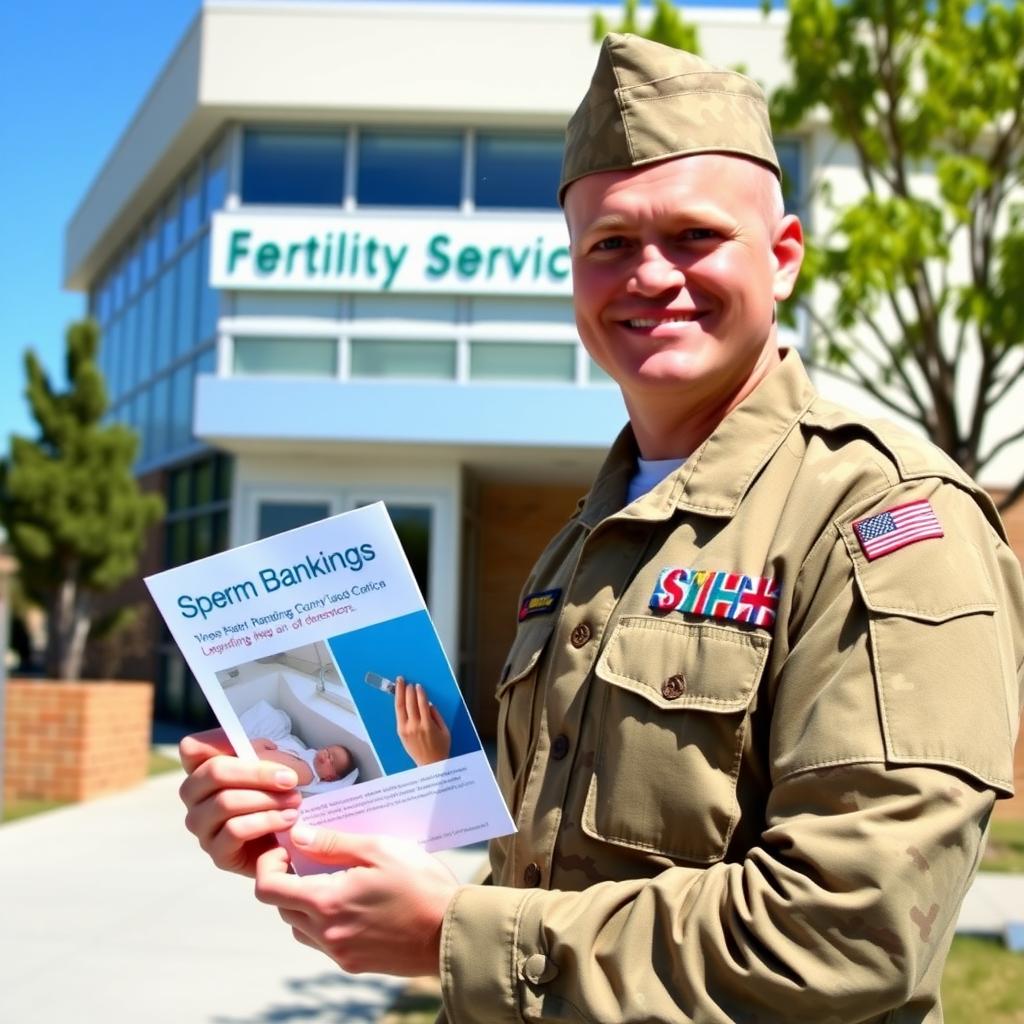
Sperm banking offers a proactive solution for service members concerned about infertility. By freezing sperm before deployment, men can preserve their fertility in case of injury, exposure to toxins, or prolonged separation. Sperm banking for military personnel is increasingly common, with some clinics offering discounts to service members.
The process is straightforward. A sample is collected, tested, and frozen in a lab, where it can be stored for years. This gives couples peace of mind, knowing they have options if natural conception becomes difficult. For example, a soldier deployed to a high-risk area can bank sperm before leaving, ensuring their partner can pursue fertility treatments like in vitro fertilization (IVF) later.
However, sperm banking isn’t without challenges. The cost, though sometimes subsidized, can be a barrier. Additionally, not all bases have nearby clinics, requiring travel. Emotional factors also play a role—some service members hesitate to discuss fertility, viewing it as a private or sensitive topic.
Strategies for Family Planning in Military Life
Despite these challenges, military couples can take steps to plan their families effectively. Here are actionable strategies:
- Communicate Early: Discuss family planning goals before deployments or major career milestones. Set a timeline that accounts for service obligations.
- Explore Fertility Preservation: Research sperm banking or egg freezing options early. Many clinics offer virtual consultations, which are helpful for those stationed in remote areas.
- Seek Support: Connect with other military families through support groups or online forums. Sharing experiences can reduce stress and provide practical advice.
- Leverage Benefits: The military offers healthcare benefits, including some coverage for fertility treatments through TRICARE. Check eligibility and explore options like VA programs for veterans.
- Plan for Flexibility: Accept that plans may change due to deployments or relocations. Build flexibility into your timeline to reduce pressure.
For example, one couple we spoke with, Sarah and Mark, faced a deployment just as they began trying for a baby. They opted for sperm banking before Mark left, which gave them confidence to pursue IVF later. Sarah shared, 'It was a relief knowing we had a backup plan, even if we didn’t end up needing it.' Their story highlights the importance of preparation.
Emotional and Relational Impacts
Military life doesn’t just affect logistics—it takes an emotional toll. The stress of separation can strain relationships, making open communication vital. Couples may feel disconnected when discussing family planning, especially if one partner is deployed. Counseling, often available through military support services, can help couples navigate these challenges.
Infertility can also carry a stigma, particularly in the military, where resilience is emphasized. Service members may feel reluctant to seek help, fearing it reflects weakness. Normalizing these conversations—through education or peer support—can encourage couples to address fertility concerns early.

Accessing Resources and Support
Military families have access to unique resources. TRICARE covers some fertility treatments, though coverage varies by plan and location. The Department of Veterans Affairs also offers reproductive health services for eligible veterans. For sperm banking, organizations like the Reproductive Health for Military provide information and financial assistance programs.
Online communities, such as those on X, offer a space for military spouses to share tips and experiences. For instance, posts from military families often highlight clinics that cater to service members or discuss coping with deployment-related delays in family planning.
Summary: Planning Ahead in Military Life
Military life brings distinct challenges to family planning, from deployments and relocations to health risks that can lead to infertility. By exploring options like sperm banking for military personnel and leveraging support systems, couples can overcome these hurdles. Open communication, early planning, and access to resources empower military families to build the future they envision.