PCOS and Fertility: What You Need to Know
Sept. 18, 2025, 6:47 a.m.
Overview
Polycystic Ovary Syndrome (PCOS) affects millions of women worldwide, often making the journey to motherhood challenging. If you’re dealing with irregular periods, hormonal imbalances, or difficulty conceiving, you’re not alone. PCOS and Fertility: What You Need to Know dives into how PCOS impacts fertility, explores treatment options, and shares actionable steps to support your journey.
Understanding PCOS and Its Impact on Fertility
PCOS is a hormonal disorder that disrupts ovulation, making it harder to conceive. Women with PCOS often have irregular or absent periods, high levels of androgens (male hormones), and small cysts on their ovaries. These factors can interfere with the release of eggs, a critical step in conception.
I remember a friend sharing her frustration after months of trying to conceive. Her periods were unpredictable, and she felt lost. After a PCOS diagnosis, she learned that her body wasn’t ovulating regularly. This is common—about 70% of women with PCOS face fertility challenges, according to the American College of Obstetricians and Gynecologists (ACOG).
The good news? PCOS is manageable, and many women with the condition successfully conceive with the right support. Understanding how PCOS affects your body is the first step. Let’s break it down:
- Irregular Ovulation: Without regular ovulation, your chances of getting pregnant decrease.
- Hormonal Imbalances: High androgen levels can disrupt egg development.
- Insulin Resistance: Many women with PCOS have insulin resistance, which can worsen symptoms and affect fertility.
Fertility Treatments for PCOS
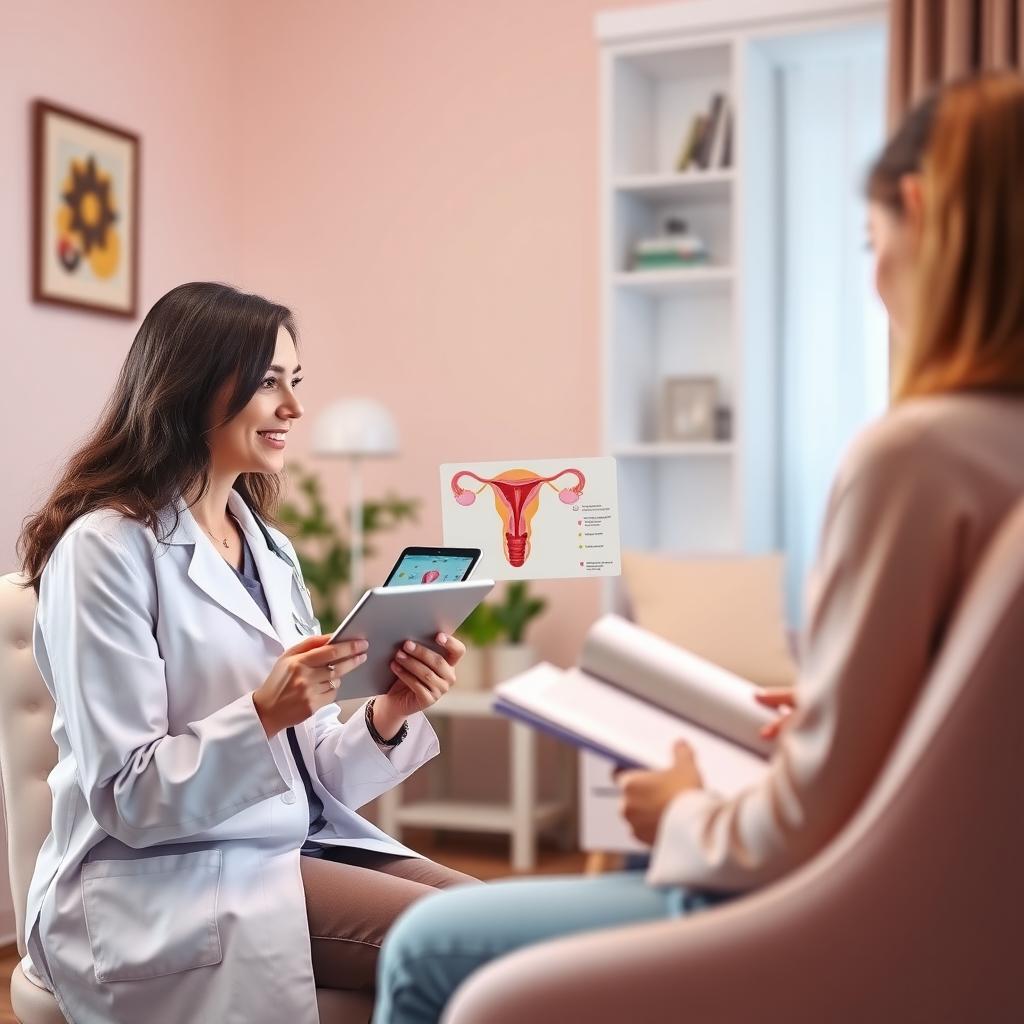
If you’re struggling to conceive with PCOS, several treatments can help. Your doctor will tailor a plan based on your symptoms, health, and goals. Here are the most common options:
Lifestyle Changes
Before diving into medical treatments, lifestyle tweaks can make a big difference. Losing even 5-10% of body weight can improve ovulation in women with PCOS. A balanced diet, regular exercise, and stress management helped my cousin regulate her cycles. She swapped processed foods for whole grains and prioritized sleep, which made her feel more in control.
Medications
Doctors often prescribe medications to stimulate ovulation: - Clomiphene Citrate (Clomid): This oral medication encourages ovulation by boosting hormone production. - Letrozole: Often used for women who don’t respond to Clomid, it’s highly effective for PCOS. - Metformin: For those with insulin resistance, Metformin can improve ovulation and regulate cycles.
Ovarian Stimulation and PCOS
Ovarian stimulation is a cornerstone of fertility treatment for PCOS. It involves using medications to encourage your ovaries to produce mature eggs. This approach is often paired with timed intercourse or intrauterine insemination (IUI). However, women with PCOS need careful monitoring during ovarian stimulation because they’re at higher risk for ovarian hyperstimulation syndrome (OHSS), a condition where the ovaries over-respond to medication.
A friend who underwent ovarian stimulation described it as a rollercoaster. Her doctor adjusted her medication doses meticulously, and she had frequent ultrasounds to monitor egg development. The process worked—she conceived after two cycles! But it’s not without challenges, so finding a skilled fertility specialist is key.

The Science Behind In Vitro Fertilization (IVF)
For some women with PCOS, The Science Behind In Vitro Fertilization offers hope when other treatments don’t work. IVF involves stimulating the ovaries to produce multiple eggs, retrieving those eggs, fertilizing them with sperm in a lab, and transferring the resulting embryos into the uterus.
IVF can be a game-changer for PCOS because it bypasses irregular ovulation. However, it’s more complex and costly than other treatments. A colleague shared her IVF journey, describing the daily injections and emotional highs and lows. “Seeing that positive pregnancy test made every needle worth it,” she said. Success rates for IVF in women with PCOS are encouraging—around 50-60% per cycle for women under 35, per the Society for Assisted Reproductive Technology (SART).
Here’s how IVF typically works for PCOS patients:
- Ovarian Stimulation: Medications like gonadotropins stimulate egg production.
- Egg Retrieval: A minor surgical procedure collects mature eggs.
- Fertilization: Eggs are fertilized in a lab to create embryos.
- Embryo Transfer: Healthy embryos are placed in the uterus.
Your doctor will monitor you closely to avoid OHSS and optimize success. If you’re considering IVF, ask about preimplantation genetic testing (PGT) to screen embryos for genetic issues.
Emotional and Practical Tips for Your Journey
Navigating PCOS and fertility can feel overwhelming, but you don’t have to do it alone. Here are some tips from women who’ve been there:
- Find a Support Network: Join PCOS support groups online or in person. Hearing others’ stories can ease the isolation.
- Track Your Cycles: Apps like Flo or Clue can help you understand your body’s patterns, even if they’re irregular.
- Communicate with Your Partner: Be open about your feelings. Fertility treatments can strain relationships, so teamwork is vital.
- Prioritize Self-Care: Stress can worsen PCOS symptoms, so try yoga, meditation, or journaling.
I spoke with a woman who found acupuncture helpful during her fertility treatments. It didn’t directly cause pregnancy, but it helped her relax and feel empowered.

When to See a Specialist
If you’ve been trying to conceive for a year (or six months if you’re over 35) without success, it’s time to see a fertility specialist. They can run tests like bloodwork, ultrasounds, or a hysterosalpingogram (HSG) to check your reproductive health. For PCOS, a reproductive endocrinologist is your best bet—they specialize in hormonal disorders and fertility.
Don’t wait too long. A friend delayed seeking help, thinking her irregular periods were “normal” for PCOS. After seeing a specialist, she wished she’d acted sooner. Early intervention can save time and heartache.
Summary
PCOS can make fertility challenging, but it’s not a dead end. With lifestyle changes, medications, ovarian stimulation, or fertility treatments like IVF, many women with PCOS become mothers. Stay informed, seek support, and work with a trusted doctor to find the right path for you. Your journey is unique, but you’re stronger than you know.