Natural Remedies for Ovulation Disorders: A Comprehensive Guide
Sept. 17, 2025, 5:20 p.m.
Overview
Ovulation disorders are a common cause of female infertility, affecting many women trying to conceive. These conditions disrupt the regular release of eggs, making pregnancy challenging. Fortunately, natural remedies for ovulation disorders can support hormonal balance and improve fertility. This guide explores practical, science-backed solutions to enhance ovulation naturally.
Understanding Ovulation Disorders
Ovulation disorders occur when the ovaries don’t release eggs regularly or at all. Conditions like polycystic ovary syndrome (PCOS), hypothalamic dysfunction, or premature ovarian failure can cause these issues. Symptoms often include irregular periods, weight gain, or excessive hair growth. For many women, these challenges feel overwhelming, but natural approaches can make a difference.
I remember talking to a friend who struggled with irregular cycles due to PCOS. She felt frustrated, thinking medication was her only option. After researching and consulting her doctor, she explored natural remedies that complemented her treatment. Her story inspired me to dive deeper into holistic solutions for ovulation disorders.
Lifestyle Changes to Support Ovulation
Simple lifestyle adjustments can significantly impact ovulation. Stress, poor sleep, and lack of exercise can disrupt hormonal balance, contributing to infertility. Here’s how to address these factors naturally:
- Manage Stress: Chronic stress raises cortisol levels, which can interfere with ovulation. Practices like yoga, meditation, or deep breathing can help. A study from Harvard Medical School showed that mindfulness reduces stress-related hormonal imbalances.
- Prioritize Sleep: Aim for 7-9 hours of quality sleep. Poor sleep disrupts melatonin, which regulates reproductive hormones.
- Exercise Moderately: Regular, moderate exercise like walking or swimming supports ovulation. Avoid over-exercising, as it can suppress hormone production.

Dietary Adjustments for Hormonal Balance
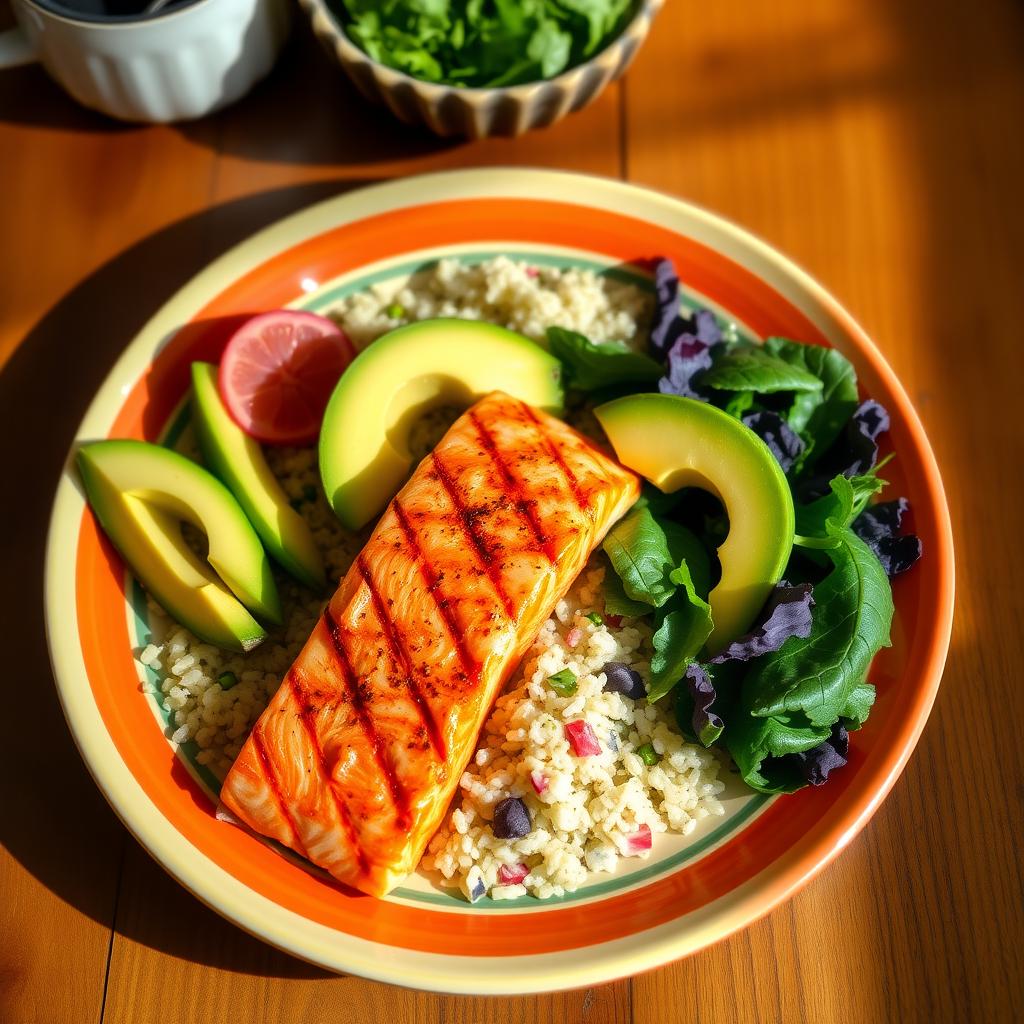
Nutrition plays a crucial role in addressing ovulation disorders. A balanced diet supports hormone production and reduces inflammation, which can improve fertility. Here are key dietary tips:
| Food Type | Benefits | Examples |
|---|---|---|
| Healthy Fats | Support hormone production | Avocados, nuts, olive oil |
| Whole Grains | Stabilize blood sugar | Quinoa, brown rice |
| Leafy Greens | Provide folate and iron | Spinach, kale |
| Protein | Support egg development | Eggs, lentils, fish |
Focus on anti-inflammatory foods to combat conditions like PCOS. Omega-3-rich foods, such as salmon or chia seeds, can reduce inflammation. Avoid processed foods and sugary drinks, which can spike insulin and worsen ovulation issues. The American College of Obstetricians and Gynecologists notes that weight management through diet can improve ovulation in women with PCOS.
My friend found that cutting out sugary snacks and adding more vegetables helped regulate her cycle. It wasn’t easy at first, but small changes, like swapping soda for herbal tea, made a big difference over time.
Herbal Remedies and Supplements
Certain herbs and supplements may support ovulation by balancing hormones. Always consult a healthcare provider before starting supplements, especially if you’re on medication. Here are some options:
- Vitex (Chasteberry): Known to regulate progesterone levels, Vitex may improve ovulation in women with irregular cycles.
- Maca Root: This adaptogen supports hormonal balance and energy levels.
- Vitamin D: Often low in women with PCOS, Vitamin D supplements can improve ovulation, as noted in a study from the National Institutes of Health.
- Inositol: Particularly helpful for PCOS, inositol can enhance insulin sensitivity and ovulation.
I’ve heard from women who swear by Vitex for regulating their cycles. One shared how it took three months to notice changes, but her periods became more predictable. Patience is key with herbal remedies, as results aren’t instant.
Acupuncture and Traditional Practices
Acupuncture, a traditional Chinese medicine practice, may improve ovulation by enhancing blood flow to the ovaries. A study published in the Journal of Clinical Endocrinology & Metabolism found that acupuncture improved ovulation rates in women with PCOS. Weekly sessions, combined with lifestyle changes, can amplify results.
Other practices, like fertility massage or aromatherapy with essential oils like clary sage, may also support hormonal balance. While evidence is limited, many women find these practices relaxing, which indirectly helps fertility by reducing stress.

The Role of Weight Management
For women with ovulation disorders, maintaining a healthy weight is crucial. Excess weight can increase insulin resistance, disrupting ovulation, especially in PCOS. Losing just 5-10% of body weight can restore ovulation, according to the American Society for Reproductive Medicine.
Focus on sustainable changes rather than crash diets. Combine a nutrient-rich diet with regular exercise. Working with a nutritionist can help create a personalized plan. My friend’s doctor emphasized that slow, steady weight loss was more effective than quick fixes, and she saw results within months.
When to Seek Professional Help
While natural remedies for ovulation disorders can be effective, they’re not a cure-all. If you don’t see improvements after 6-12 months, consult a fertility specialist. Conditions like PCOS or thyroid disorders may require medical intervention alongside natural approaches. Tracking your cycle with apps or ovulation kits can provide valuable data for your doctor.
Summary
Ovulation disorders can be a hurdle in the journey to conceive, but natural remedies offer hope. By managing stress, eating a balanced diet, exploring herbs, and considering practices like acupuncture, you can support your body’s natural rhythm. Always work with a healthcare provider to ensure these remedies suit your needs. With patience and consistency, many women find success in improving ovulation and addressing infertility naturally.