How Estradiol Affects Fertility Preservation: A Comprehensive Guide
Sept. 14, 2025, 5:20 p.m.
Overview: Estradiol and Fertility Preservation
Estradiol, a form of estrogen, plays a key role in reproductive health. For those exploring fertility preservation, understanding how estradiol affects the process is crucial. Whether you're considering IVF or egg freezing, estradiol influences egg development and overall success. This guide dives into its impact, offering clear insights for anyone facing infertility challenges.
What Is Estradiol and Why Does It Matter?
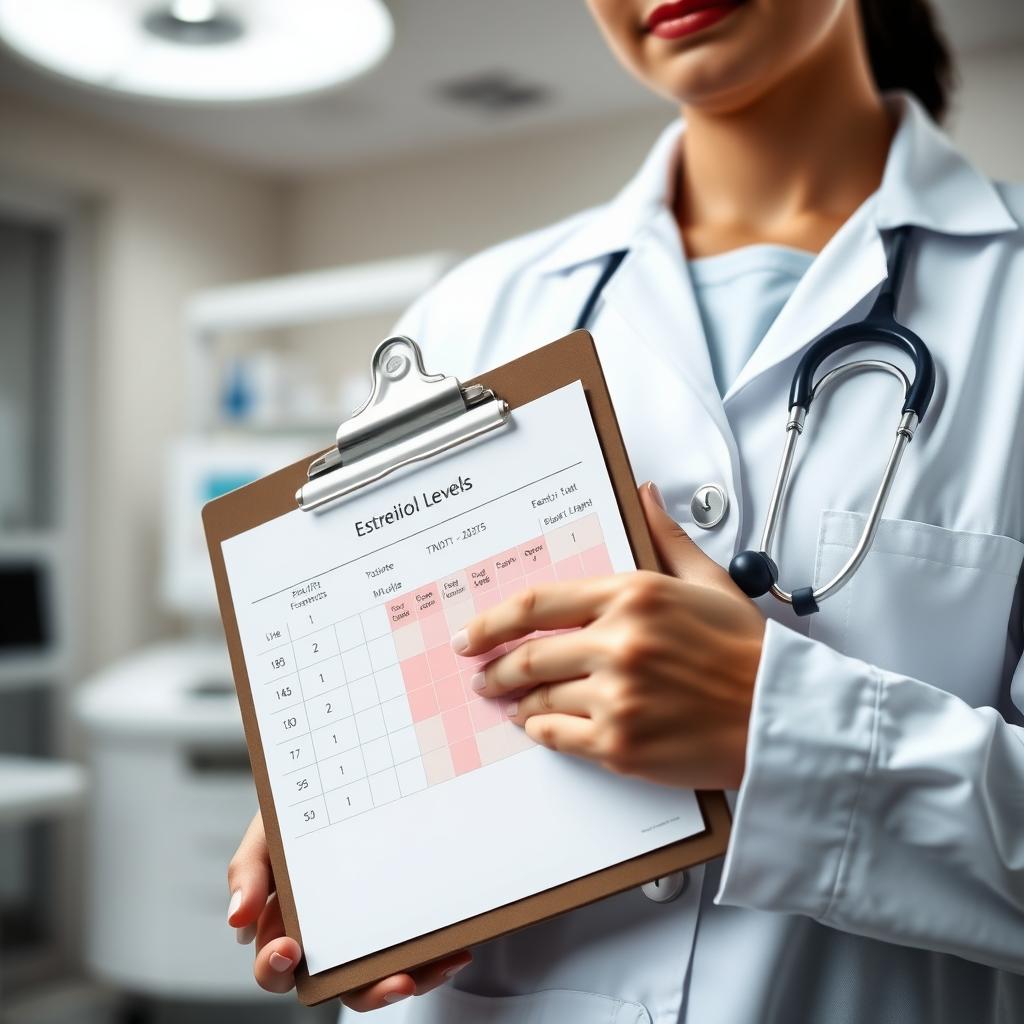
Estradiol is the primary estrogen hormone produced by the ovaries. It’s essential for regulating the menstrual cycle, supporting egg growth, and preparing the uterus for pregnancy. In fertility preservation, estradiol levels are closely monitored because they signal how well the ovaries are responding to treatments like IVF or egg freezing.
Low or high estradiol levels can affect egg quality and quantity. For example, during IVF, doctors use medications to stimulate the ovaries, and estradiol levels help gauge whether the eggs are developing properly. If levels are too low, it might mean the ovaries aren’t responding well. If too high, there’s a risk of overstimulation, which can lead to complications like ovarian hyperstimulation syndrome (OHSS).
Estradiol’s Role in Fertility Preservation
Fertility preservation involves saving eggs, sperm, or embryos for future use. For women, this often means egg freezing or embryo freezing through IVF. Estradiol is critical here because it supports follicle growth—the tiny sacs in the ovaries that house eggs.
During a fertility preservation cycle, medications like follicle-stimulating hormone (FSH) are used to encourage multiple follicles to grow. As follicles develop, they produce estradiol. Doctors measure these levels through blood tests to track progress. Higher estradiol levels typically indicate more follicles are maturing, which can lead to better egg retrieval outcomes.
But it’s not just about numbers. Estradiol also helps prepare the uterine lining for embryo implantation. In IVF, a balanced estradiol level ensures the uterus is ready if an embryo transfer is planned. Too much or too little can disrupt this delicate process, affecting success rates.
How Estradiol Levels Are Managed
Managing estradiol levels is a balancing act. Fertility specialists use medications to control how the ovaries respond. Here’s how it typically works: - Stimulation Phase: Drugs like FSH or human menopausal gonadotropin (hMG) boost follicle growth, raising estradiol levels. - Monitoring: Regular blood tests and ultrasounds track estradiol and follicle development. - Adjustments: If estradiol rises too quickly, doctors may lower medication doses to prevent OHSS. If levels are too low, they might increase doses to improve response.
For someone going through egg freezing, this process feels intense. I’ve spoken with friends who described the daily blood draws and ultrasounds as overwhelming but necessary. They felt reassured knowing their doctors were watching estradiol levels closely to optimize their chances.
Challenges with Estradiol in Fertility Preservation
Estradiol levels don’t always cooperate. Some women have naturally low estradiol, which can signal poor ovarian reserve—a common issue in infertility. Others might experience spikes that increase risks like OHSS, which causes swelling and discomfort.
For example, women with polycystic ovary syndrome (PCOS) often have irregular estradiol levels, making IVF trickier. A friend with PCOS shared how her clinic adjusted her protocol to avoid overstimulation, which meant more appointments but a safer process. These challenges highlight why personalized care is so important in fertility preservation.
Here’s a quick look at common estradiol-related issues: | Issue | Impact | Solution | |-------|--------|---------| | Low Estradiol | Poor follicle growth, fewer eggs | Adjust medication, explore supplements | | High Estradiol | Risk of OHSS, cycle cancellation | Lower doses, close monitoring | | Irregular Levels | Unpredictable response | Tailored protocols, frequent tests |
Estradiol and Egg Quality
Egg quality is a big factor in fertility preservation success. Estradiol supports the environment where eggs mature. Studies, like those from the American Society for Reproductive Medicine, suggest balanced estradiol levels correlate with better egg quality. Poor quality eggs are less likely to fertilize or develop into healthy embryos.
Lifestyle factors also play a role. Stress, poor diet, or smoking can lower estradiol production, impacting egg health. I’ve seen friends make small changes—like eating more nutrient-rich foods or practicing yoga—that seemed to help their cycles. While not a cure, these steps can support the body during fertility treatments.
Estradiol in Male Fertility Preservation
While estradiol is mostly associated with women, it also matters for men. In male fertility preservation, like sperm freezing, high estradiol levels can lower sperm production. This often happens with hormonal imbalances or certain medications. For men undergoing treatments that might affect fertility (like chemotherapy), checking estradiol levels can help ensure sperm quality before freezing.
A colleague who froze his sperm before cancer treatment mentioned how his doctor explained this connection. It was a small but important part of his preservation plan, giving him peace of mind for the future.
Practical Tips for Managing Estradiol During Fertility Preservation
If you’re navigating fertility preservation, here are some actionable tips: - Stay Informed: Ask your doctor about your estradiol levels and what they mean for your cycle. - Follow Protocols: Stick to medication schedules and attend all monitoring appointments. - Support Your Body: Eat a balanced diet, stay hydrated, and manage stress to support hormone production. - Ask Questions: If something feels off, like unusual symptoms, talk to your clinic right away.
These steps won’t guarantee success, but they can help you feel more in control. I’ve seen how empowering it is for friends to take an active role in their fertility journey.
Summary: Estradiol’s Impact on Your Fertility Journey
How estradiol affects fertility preservation is a complex but vital topic. From supporting egg growth to preparing the uterus, estradiol is a key player in IVF and egg freezing. While challenges like irregular levels or OHSS can arise, careful monitoring and personalized care can make a big difference. By understanding estradiol’s role, you can approach infertility treatments with confidence and clarity.