Hormones and Fertility: What to Expect
Nov. 24, 2025, 6:35 a.m.
A Quick Overview
Hormones drive your body's fertility journey, influencing everything from monthly cycles to pregnancy chances. In this guide, inspired by resources at https://www.reproductivefacts.org, we'll break down what to expect with key hormones, treatments like IVF, and fertility preservation. Whether facing infertility or planning ahead, understanding these basics empowers you. (38 words)
The Basics: How Hormones Shape Fertility
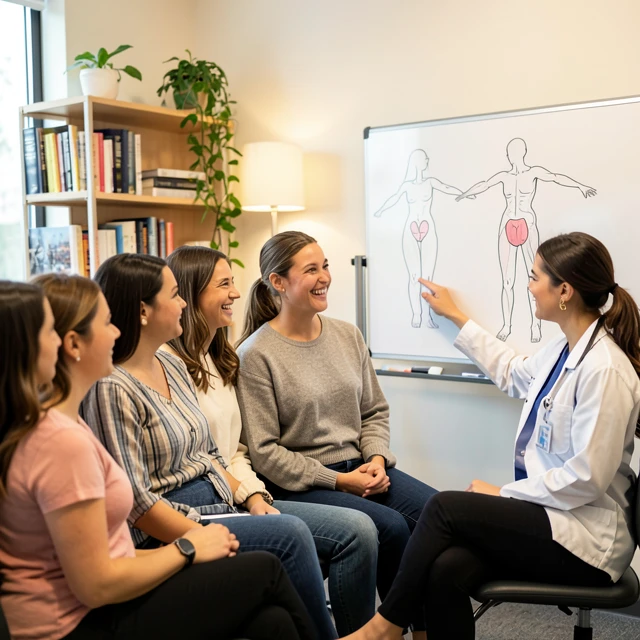
Think of hormones as the conductors of your body's orchestra. They signal when to grow eggs, release them, and prepare for a baby. Without balance, fertility can falter.
Let's start with the stars of the show. Follicle-stimulating hormone (FSH) kicks off each cycle. Produced by your pituitary gland, it nudges your ovaries to develop follicles—those tiny sacs holding eggs.
I recall my first fertility check. My doctor explained FSH like a wake-up call for my ovaries. Levels rise as we age, signaling fewer eggs. It's a natural shift, but knowing it eased my worries.
Next up: luteinizing hormone (LH). This one surges mid-cycle, triggering ovulation. Picture it as the green light for your egg to burst free and head toward the fallopian tubes.
Estrogen, especially estradiol, joins the party early. As follicles grow, they pump out estradiol, thickening your uterine lining for a cozy nest. But how does estradiol affect fertility preservation? We'll dive deeper soon.
Progesterone enters post-ovulation. The empty follicle turns into the corpus luteum, churning out this hormone to sustain the lining if pregnancy happens.
Imbalances? They spell trouble. Low FSH might mean poor egg development; high levels could flag perimenopause. LH spikes off-schedule? That might lead to irregular ovulation.
From personal chats with friends battling infertility, I've seen how tracking these via blood tests brings clarity. One buddy swore by apps that log cycles alongside hormone insights.
When Hormones Go Awry: Understanding Infertility
Infertility hits one in eight couples. Often, it's hormonal hiccups at play. Polycystic ovary syndrome (PCOS) ramps up androgens, throwing off FSH and LH ratios. Result? Cysts, skipped periods, and ovulation droughts.
Thyroid hormones matter too. Hypothyroidism slows metabolism, messing with ovulation. I knew a couple who fixed their infertility with simple thyroid meds—proof small tweaks yield big wins.
Endometriosis? It boosts estrogen outside cycles, inflaming tissues and scarring ovaries. Stress hormones like cortisol sneak in, suppressing reproductive ones. Action step: Chat with your doc about baseline tests. Early detection turns 'why me?' into 'we've got this.'
| Common Hormonal Causes of Infertility | Symptoms | First Steps |
|---|---|---|
| PCOS | Irregular periods, acne, weight gain | Lifestyle changes, metformin |
| Low Progesterone | Spotting, short cycles | Blood tests, supplements |
| High FSH | Hot flashes, cycle changes | AMH testing for egg reserve |
| Thyroid Imbalance | Fatigue, hair loss | TSH screening |
This table simplifies it. Use it as a chat starter with your provider.
Fertility Treatments: Hormones in Action
Enter IVF— in vitro fertilization. It's a hormone-heavy hero for many. Docs prescribe synthetic FSH and LH to supercharge follicle growth. You self-inject daily for about 10 days.
What to expect? Bloating from stimulated ovaries, mood swings from estrogen peaks, and tender breasts. My sister described it as 'PMS on steroids,' but the egg retrieval payoff? Worth it.
Monitoring visits track estradiol levels via ultrasounds and blood draws. Ideal? 200-400 pg/mL per mature follicle. Too low? Adjust doses. Too high? Risk ovarian hyperstimulation syndrome (OHSS)—swelling and discomfort.
Personal insight: During my IVF round, I journaled hormone highs and lows. It helped process the emotional rollercoaster. Pro tip: Stock ginger tea for nausea and join online support groups.
Spotlight: How Estradiol Affects Fertility Preservation
Fertility preservation saves tomorrow's options today. Egg freezing, a top method, mirrors IVF stimulation. Injections boost follicles, and estradiol levels gauge success.
Here's the key: Estradiol rises with follicle count—each mature one adds 100-200 pg/mL. Healthy levels signal robust eggs for freezing. But extremes matter. Sky-high estradiol (>4,000 pg/mL) flags OHSS risk, potentially canceling cycles or delaying freezes.
Low estradiol? It hints at poor response, maybe needing higher doses or donor eggs later. In preservation, timing's everything. Freeze post-retrieval, post-vitrification, for 90%+ survival rates.
A friend froze eggs at 35 after cancer scares. Her estradiol tracked perfectly, yielding 12 viable ones. 'It was my insurance policy,' she said. For cancer patients, it dodges chemo's fertility toll.
Actionable tip: If preserving fertility, ask about estradiol trends early. Pair with anti-Müllerian hormone (AMH) tests for egg count previews.
Beyond eggs, sperm banking for men involves no hormones, but testosterone dips from illness can affect quality—another hormone link.
Lifestyle Hacks to Balance Hormones Naturally
You can't control genes, but habits help. Eat omega-3s from salmon to tame inflammation. Aim for 7-9 hours sleep; melatonin aids FSH pulses.
Exercise moderately—yoga over marathons—to avoid cortisol spikes. Limit plastics; they mimic estrogen, confusing signals.
One study from the American Society for Reproductive Medicine (ASRM) links Mediterranean diets to better IVF outcomes. Try it: Veggies, nuts, olive oil daily.
- Track Cycles: Use apps like Clue for patterns.
- Supplement Smart: Vitamin D if deficient—boosts progesterone.
- Reduce Stress: Meditation drops cortisol by 20%.
- Hydrate: 8 glasses water flushes toxins.
These aren't cures but allies against infertility.
Emotional Side: Real Stories from the Trenches
Hormones aren't just biology; they're emotional amplifiers. Estradiol surges can spark euphoria, then crashes bring tears. I cried over a burnt toast during stims—welcome to the club.
Infertility forums buzz with tales. One woman shared how progesterone shots caused vivid dreams, processing grief creatively. Another found community in ASRM's patient stories at reproductivefacts.org.
Perspective shift: View treatments as chapters, not the whole book. Therapy or fertility coaches unpack the 'what ifs.' You've got resilience; lean on it.
Wrapping Up: Your Fertility Roadmap
Hormones orchestrate fertility's dance—from FSH awakenings to estradiol's nurturing role. In IVF or fertility preservation, expect fluctuations but focus on progress. Infertility challenges us, yet knowledge arms us.
Remember, one in six face this; you're not alone. Consult pros, tweak lifestyles, and hold hope. For more, explore reproductivefacts.org. You've got this—step by informed step. (42 words)