Unveiling the Causes of Azoospermia in Men: A Comprehensive Guide to Male Infertility
Nov. 21, 2025, 5:20 p.m.
Overview
Azoospermia strikes when no sperm shows up in a man's semen. It affects about 1% of all guys and up to 15% of those facing infertility. Understanding the causes of azoospermia in men can light the way to solutions. Let's dive in with clarity and hope.
What Is Azoospermia?
Picture this: You're trying to start a family, but tests reveal zero sperm in your ejaculate. That's azoospermia, a tough form of male infertility. It doesn't mean the end of your dreams, though. Many men find ways forward.
Doctors spot it through semen analysis—two samples, spun down, checked under a microscope. No swimmers? It's confirmed.
Azoospermia splits into two big camps: obstructive and non-obstructive. Obstructive means sperm production works fine, but blockages stop them from getting out. Non-obstructive? That's when the testes just aren't making sperm enough.
About 40% fall into obstructive, 60% non-obstructive. Knowing which you have guides next steps.
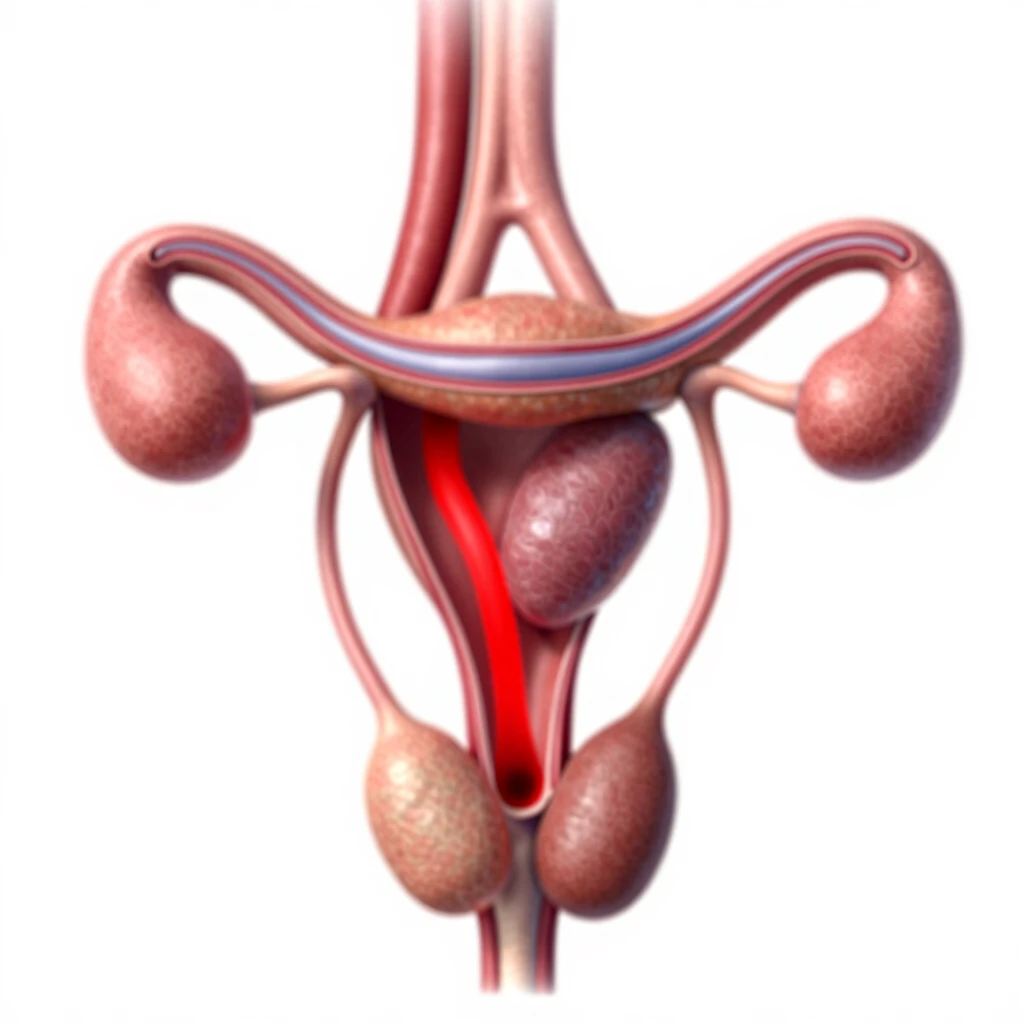
Obstructive Azoospermia: When Paths Get Blocked
Think of obstructive azoospermia like a traffic jam in your body's delivery system. Sperm form normally, but something clogs the route.
Common culprits? Past surgeries top the list. Vasectomy seals the vas deferens on purpose, but reversals can reopen the road.
Infections play a sneaky role too. Things like epididymitis from STIs can scar and block tubes. Even childhood hernia repairs might leave hidden damage.
Then there's congenital bilateral absence of the vas deferens (CBAVD). Born without these key tubes, often tied to cystic fibrosis genes. It hits 1-6% of obstructive cases.
Ejaculatory duct issues round it out—cysts or narrowing keep sperm bottled up. The good news? These blocks often fix with surgery. Sperm retrieval works well here.
For deeper dives, check this comprehensive review on obstructive causes from Yale Medicine, which shares how blockages stem from everyday medical histories.
| Common Causes of Obstructive Azoospermia | Description | Prevalence |
|---|---|---|
| Vasectomy | Surgical cut of vas deferens | Common in older men |
| CBAVD | Missing vas tubes at birth | 1-6% of cases |
| Infections (e.g., chlamydia) | Scarring in epididymis | Varies by exposure |
| Hernia surgery | Accidental tube damage | Post-procedure risk |
| Ejaculatory duct obstruction | Block at prostate exit | 1-5% of infertility |
Non-Obstructive Azoospermia: Production Problems
Non-obstructive azoospermia hits harder emotionally. Here, the testes struggle to produce sperm. It's like a factory running low on workers.
Genetic factors lead the pack. Klinefelter syndrome—extra X chromosome—shrinks testes and halts production. It affects 1 in 500-1,000 men.
Y chromosome microdeletions chip away at sperm-making genes. Up to 15% of these cases trace back here. Other chromosomal glitches, like XXY or XYY, add to the mix.

Hormonal imbalances sneak in too. Low testosterone or pituitary glitches—like Kallmann syndrome—starve the testes of signals to make sperm. Anabolic steroids or even heavy workouts can suppress hormones temporarily.
Environmental hits matter. Chemo, radiation for cancer, or toxins like pesticides damage germ cells. Varicoceles—swollen veins in the scrotum—overheat testes, cutting output in 5-10% of cases.
Infections like mumps orchitis scar testes permanently if they hit during puberty. Undescended testes in childhood, if not fixed early, raise risks big time—up to 34% chance of azoospermia.
Idiopathic cases—unknown reasons—frustrate many. But even here, micro-TESE surgery finds sperm in half the tries.
For a full breakdown, explore this epidemiology and etiology overview from the National Institutes of Health, packed with stats on genetic risks and incidence rates.
Personal Insights: Stories from the Front Lines
I've chatted with guys who've walked this road. Take Mike, a 38-year-old teacher. Years of unexplained infertility led to his azoospermia diagnosis—turns out, a sneaky varicocele was the thief.
'Shock hit first,' he shared. 'But fixing it brought sperm back. Now we've got our little one.' His story reminds us: Action beats despair.
Then there's Alex, dealing with Klinefelter. 'Learning it was genetic freed me from guilt,' he said. Sperm extraction plus IVF gave him fatherhood. These tales show resilience wins.
From my view, early chats with a specialist change everything. Don't wait—get tested. Lifestyle tweaks like ditching smokes or cooling the scrotum help too.
Risk Factors and Prevention Tips
Spot risks early to dodge pitfalls. Family history of infertility? Flag it. Childhood mumps? Vaccinate kids now—cuts orchitis odds.
Steer clear of toxins: Limit alcohol, avoid hot tubs, pick organic when possible. For cancer survivors, bank sperm pre-treatment.
- Genetic screening: If planning family, test for carriers.
- Hormone checks: Balance levels with doc's help.
- Scrotal exams: Catch varicoceles young.
- Safe habits: No steroids, protect during sports.
This detailed StatPearls guide from NCBI unpacks pretesticular and testicular causes with clinical precision—perfect for deeper understanding.
Wrapping It Up: Hope on the Horizon
Causes of azoospermia in men range from fixable blocks to tougher production woes. But knowledge empowers. Whether it's surgery, extraction, or donor paths, options abound.
You're not alone in this infertility journey. Reach out, stay positive, and take that first step. Fatherhood waits.