The Science Behind Modern Fertility Treatments
Nov. 19, 2025, 6:36 a.m.
A Quick Overview
Modern fertility treatments blend biology, technology, and hope to help millions build families. From in vitro fertilization (IVF) to egg freezing, these methods address infertility challenges head-on. This article unpacks the science, shares real stories, and explores options like fertility preservation. Discover how these innovations work and what they mean for you. (38 words)

Modern Fertility Treatments Explained
Imagine wanting a child but facing roadblocks like age or medical issues. That's where modern fertility treatments step in. These aren't just medical procedures—they're lifelines backed by decades of research.
At the heart is IVF, or in vitro fertilization. Doctors retrieve eggs from the ovaries, mix them with sperm in a lab, and let embryos form. Then, they transfer one or more into the uterus. Sounds simple? The magic happens in the details.
Take controlled ovarian hyperstimulation, a key step. Hormones like FSH and LH prompt the ovaries to produce multiple eggs. Without this, we'd rely on the body's natural one-egg cycle. It's like revving an engine for better odds.
Success isn't guaranteed, but it's improving. For women under 35, live birth rates hover around 50% per cycle, per the latest CDC data on ART success rates. That's huge progress from the 1980s, when the first IVF baby arrived amid skepticism.
Other treatments shine too. Intrauterine insemination (IUI) places sperm directly in the uterus—less invasive, often first-line. Intracytoplasmic sperm injection (ICSI) helps with male factor infertility by injecting a single sperm into an egg. Each tool fits different puzzles.
I've spoken with couples who've walked this path. Sarah, a teacher in her late 30s, tried IUI twice before IVF. 'It felt empowering,' she said. 'Knowing the science gave me control.' Her story echoes many: treatments work best when you understand them.
The Science Behind It All
Let's geek out a bit on the biology. Human reproduction starts with gametes—eggs and sperm. But timing and quality matter. Eggs peak in quality by age 25, then decline. Sperm? They age too, but slower.
Enter cryopreservation, freezing eggs or embryos at peak freshness. Vitrification, the gold standard, flash-freezes them in liquid nitrogen at -196°C. No ice crystals form to damage cells. It's like hitting pause on time.
Genetics play a role now more than ever. Preimplantation genetic testing (PGT) screens embryos for issues like Down syndrome. Labs sequence DNA from a few embryo cells. This boosts success and cuts miscarriage risks.
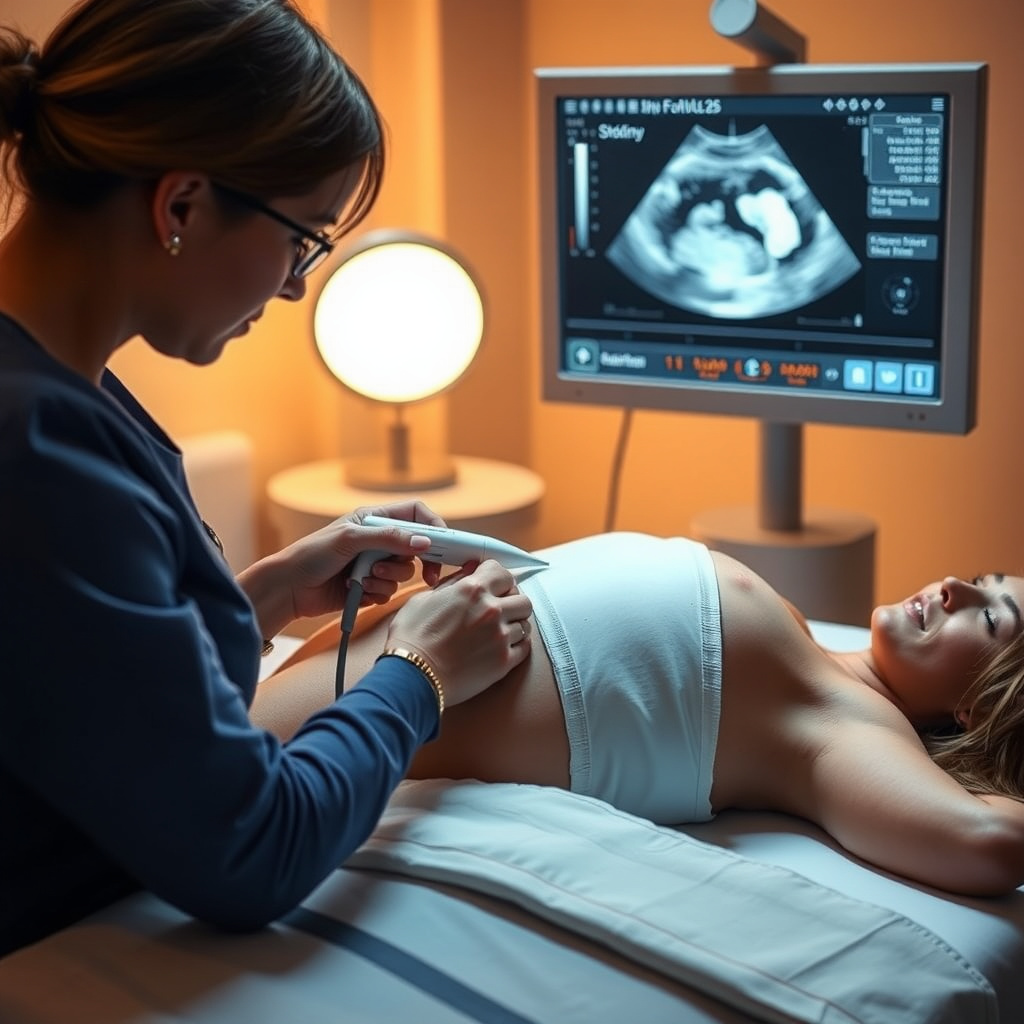
Hormone science drives it all. Estrogen surges signal egg maturity; progesterone preps the uterus. Treatments mimic or amplify these. But balance is key—too much stimulation risks ovarian hyperstimulation syndrome (OHSS), where ovaries swell painfully.
Researchers push boundaries. Stem cell tech aims to create eggs from skin cells. Early trials show promise, per recent advances in fertility preservation from the National Institutes of Health. Imagine endless supply—no age clock ticking.
| Common Fertility Treatments | Description | Best For |
|---|---|---|
| IVF | Eggs fertilized in lab, embryos transferred | Severe infertility, age-related issues |
| IUI | Sperm placed in uterus | Mild male factor, ovulation problems |
| ICSI | Single sperm injected into egg | Low sperm count/motility |
| Egg Freezing | Eggs harvested and frozen | Future planning, medical delays |
These aren't one-size-fits-all. A fertility specialist tailors plans based on bloodwork, ultrasounds, and history. Action step: Track your cycle with apps like Clue. It arms you with data for that first consult.
Fertility Preservation: Options and Considerations
Life throws curveballs—cancer, military service, career delays. Fertility preservation options let you safeguard your future family. It's proactive planning, not just crisis response.
Top choice for women? Oocyte cryopreservation, aka egg freezing. Harvest eggs young, freeze them, thaw later for IVF. Success mirrors fresh eggs if frozen before 35. Men opt for sperm banking—simple semen collection, indefinite storage.
Embryo freezing adds a twist. Fertilize eggs first, often needing a partner or donor sperm. It's stable long-term, with thawing survival over 90%.
Considerations abound. Cost: $10,000+ per cycle, plus storage fees. Insurance covers vary—check your plan. Emotionally? It's hopeful but heavy. One friend froze eggs at 28 before chemo. 'It let me focus on healing,' she shared. Today, she's a mom.
For kids or teens facing treatment, options expand. Ovarian tissue freezing: Slice and freeze ovarian strips, transplant back later. Experimental but growing, especially post-cancer.
Here's a quick pros/cons list: - Egg Freezing Pros: Independent, no partner needed; preserves youth. - Cons: Not 100% success; multiple cycles may be needed. - Embryo Freezing Pros: Higher viability; genetic testing possible. - Cons: Requires fertilization commitment; ethical debates for singles.

Advanced Fertility Preservation Techniques
The field evolves fast. Advanced fertility preservation techniques like ovarian tissue cryopreservation (OTC) lead the charge. Surgeons remove ovarian cortex, freeze it, and reimplant post-treatment. Blood flow revives follicles—natural conception possible.
Over 100 babies born this way worldwide. It's a game-changer for those short on time, like cancer patients. The American Society for Reproductive Medicine guidelines on fertility preservation endorse it for select cases.
Another frontier: Artificial ovaries. Engineers scaffold follicles in biocompatible gels, maturing them outside the body. Early mouse successes hint at human trials soon.
For men, testicular tissue banking echoes this. Freeze immature tissue, mature stem cells in lab later. Ethical? Yes, with consent protocols.
Personal take: These aren't sci-fi anymore. A colleague preserved tissue pre-radiation. Two years later, she's pregnant naturally. 'Science gave me my life back,' she says. It reminds us: Knowledge empowers choice.
Risks exist—surgery for OTC, unknown long-term thawing effects. Weigh with experts. Start here: Join support groups like Resolve.org. Stories ground the stats.
Wrapping It Up: Hope in Every Breakthrough
The science behind modern fertility treatments turns 'impossible' into 'possible.' From IVF's lab miracles to advanced fertility preservation techniques, options abound. Remember Sarah's empowerment? Yours awaits.
Consult a specialist soon. Track health, ask questions, stay informed. Families form through science and spirit. You've got this. (42 words)