Understanding the Success Rates of Fertility Preservation Methods
Sept. 18, 2025, 5:23 p.m.
Overview
Fertility preservation offers hope for those facing infertility or medical treatments that may impact their ability to have children. Methods like in vitro fertilization (IVF), egg freezing, and embryo cryopreservation have become vital tools. But what are the success rates of fertility preservation methods? This article dives into the numbers, factors influencing outcomes, and practical steps to maximize your chances, all while sharing insights from real experiences.
What Is Fertility Preservation?
Fertility preservation involves techniques to save eggs, sperm, or embryos for future use. It’s often chosen by people facing cancer treatments, those delaying parenthood, or couples dealing with infertility. Common methods include egg freezing (oocyte cryopreservation), sperm freezing, and embryo freezing. Each method has unique success rates, influenced by age, health, and technology. Understanding these options can feel overwhelming, but knowing the data helps you make informed choices.
Why Success Rates Matter
When you’re considering fertility preservation, success rates are a key factor. These rates show the likelihood of achieving a live birth or successful pregnancy. However, they vary widely based on the method, your age, and other factors. For example, IVF success rates are often higher for younger women. Knowing these numbers helps set realistic expectations and guides discussions with your doctor.

IVF Success Rates: What the Data Says
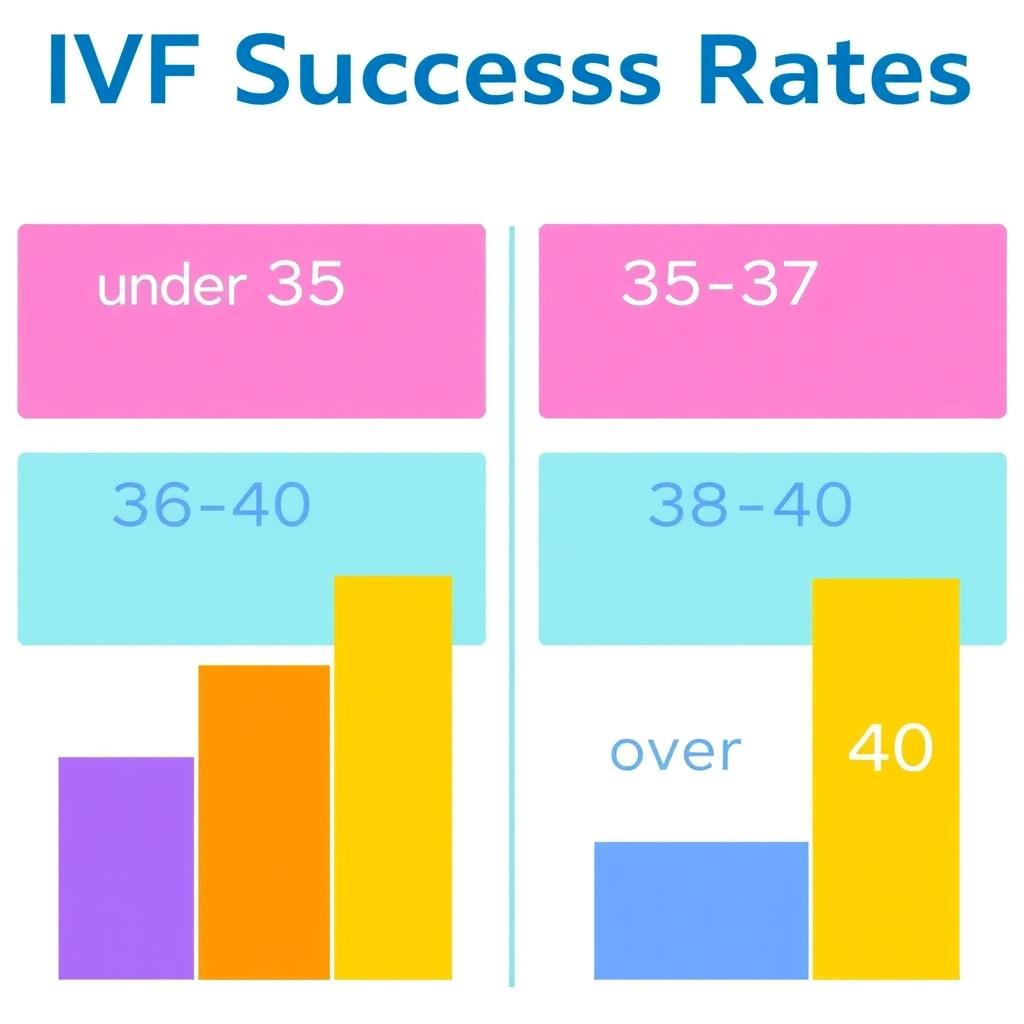
In vitro fertilization (IVF) is one of the most common fertility treatments. It involves fertilizing an egg with sperm in a lab and transferring the embryo to the uterus. According to the Centers for Disease Control and Prevention (CDC), the average IVF success rate for women under 35 is about 55.1% per cycle, leading to a live birth. This drops to 40.5% for ages 35-37, 26.4% for ages 38-40, and 8.2% for women over 40. These numbers reflect national data from 2020, showing how age significantly impacts outcomes.
The Society for Assisted Reproductive Technology (SART) provides clinic-specific data, showing that top clinics like Boston IVF often exceed national averages due to advanced protocols. However, success isn’t guaranteed. Factors like egg quality, sperm health, and uterine conditions play a role. For example, women with endometriosis may face lower success rates, as noted in a Mayo Clinic study, which found that advanced endometriosis correlates with reduced IVF outcomes.
Egg Freezing: A Growing Option
Egg freezing is increasingly popular for women who want to delay parenthood. The process involves stimulating the ovaries, retrieving eggs, and freezing them for later use. Success rates depend on the age at freezing. A study from the American Society for Reproductive Medicine shows that eggs frozen before age 35 have a 30-40% chance of resulting in a live birth when thawed and used in IVF. After age 40, this drops to 10-15%. Freezing younger eggs improves outcomes because they’re less likely to have chromosomal issues.
I spoke with a friend who froze her eggs at 32. She felt empowered knowing she had options, but she wished she’d known how much age matters. ‘If I’d waited a few more years, my chances would’ve been much lower,’ she said. Her story highlights why early action is key for egg freezing.

Embryo Freezing: A Strong Backup Plan
Embryo freezing involves fertilizing eggs with sperm before freezing. This method often has higher success rates than egg freezing because embryos are already fertilized. A 2021 study published in PubMed Central found that frozen embryo transfers (FET) had a 38.8% live birth rate compared to 15.7% for fresh transfers in some groups. FET allows better timing for uterine preparation, which can boost success.
One couple I know chose embryo freezing before the wife’s chemotherapy. They now have two healthy kids from those embryos. Their doctor explained that FET gave them flexibility, as they could wait until her health stabilized. This option is especially valuable for cancer patients needing urgent fertility preservation.
Factors Affecting Success Rates
Several factors influence the success rates of fertility preservation methods:
- Age: Younger eggs and embryos yield better results.
- Health Conditions: Issues like endometriosis or low ovarian reserve can lower success.
- Lifestyle: Smoking, obesity, and stress can hurt outcomes, while a healthy diet and exercise help.
- Clinic Quality: Advanced labs with tools like EmbryoScope improve embryo selection.
For example, clinics using AI-assisted embryo selection, as noted in recent fertility research, can increase live birth rates by identifying the healthiest embryos.
Tips to Improve Your Chances
While success isn’t guaranteed, you can take steps to boost your odds:
- Choose a Reputable Clinic: Look for SART-member clinics with strong track records. Check their success rates on the SART website.
- Act Early: Freeze eggs or embryos before age 35 for the best outcomes.
- Optimize Health: Maintain a healthy weight, avoid smoking, and manage stress through yoga or counseling.
- Consult a Specialist: Work with a board-certified reproductive endocrinologist for personalized care.
- Consider Multiple Cycles: Some patients need 2-3 IVF cycles to succeed, so plan financially and emotionally.
Emotional and Financial Considerations
Fertility preservation can be an emotional rollercoaster. The waiting period after embryo transfer is especially tough, as one patient shared: ‘Those two weeks felt like forever. I leaned on my support group to cope.’ Joining IVF support groups, like those offered by Resolve, can help. Financially, IVF costs $10,000-$15,000 per cycle, often not covered by insurance. Planning ahead and exploring grants can ease the burden.
The Future of Fertility Preservation
New technologies are improving success rates. In vitro gametogenesis (IVG), which creates eggs or sperm from skin cells, is being researched in Japan and the U.S. While still experimental, it could revolutionize fertility care for those unable to produce eggs or sperm naturally. AI is also enhancing embryo selection, making IVF more precise.
Summary
Fertility preservation methods like IVF, egg freezing, and embryo freezing offer hope for those facing infertility or medical challenges. IVF success rates vary by age, with younger patients seeing up to 55% live birth rates per cycle. Egg and embryo freezing provide options for delaying parenthood, with success tied to age and health. By choosing a quality clinic, optimizing health, and acting early, you can improve your chances. Stay informed, lean on support, and consult specialists to navigate this journey.