Advances in Fertility Preservation Techniques: A Path to Future Families
Sept. 17, 2025, 6:39 a.m.
Overview
Fertility preservation offers hope for those who want to build families later in life. Advances in fertility preservation techniques have transformed options for women and men facing infertility due to medical treatments, age, or personal choices. This article dives into these innovations, their long-term effects, and real stories of hope.
Why Fertility Preservation Matters
Fertility preservation is a lifeline for many. Whether you're facing cancer treatment, delaying parenthood for career or personal reasons, or navigating gender-affirming care, these techniques help keep the dream of parenthood alive. Infertility affects about 1 in 8 couples, according to the CDC, and preservation methods are changing lives.
For women, fertility preservation is especially critical. Age-related decline in egg quality starts in the mid-30s, making early action key. Men, too, benefit from preserving sperm before treatments like chemotherapy, which can impair fertility. The emotional weight of infertility can be heavy, but new techniques offer practical solutions.
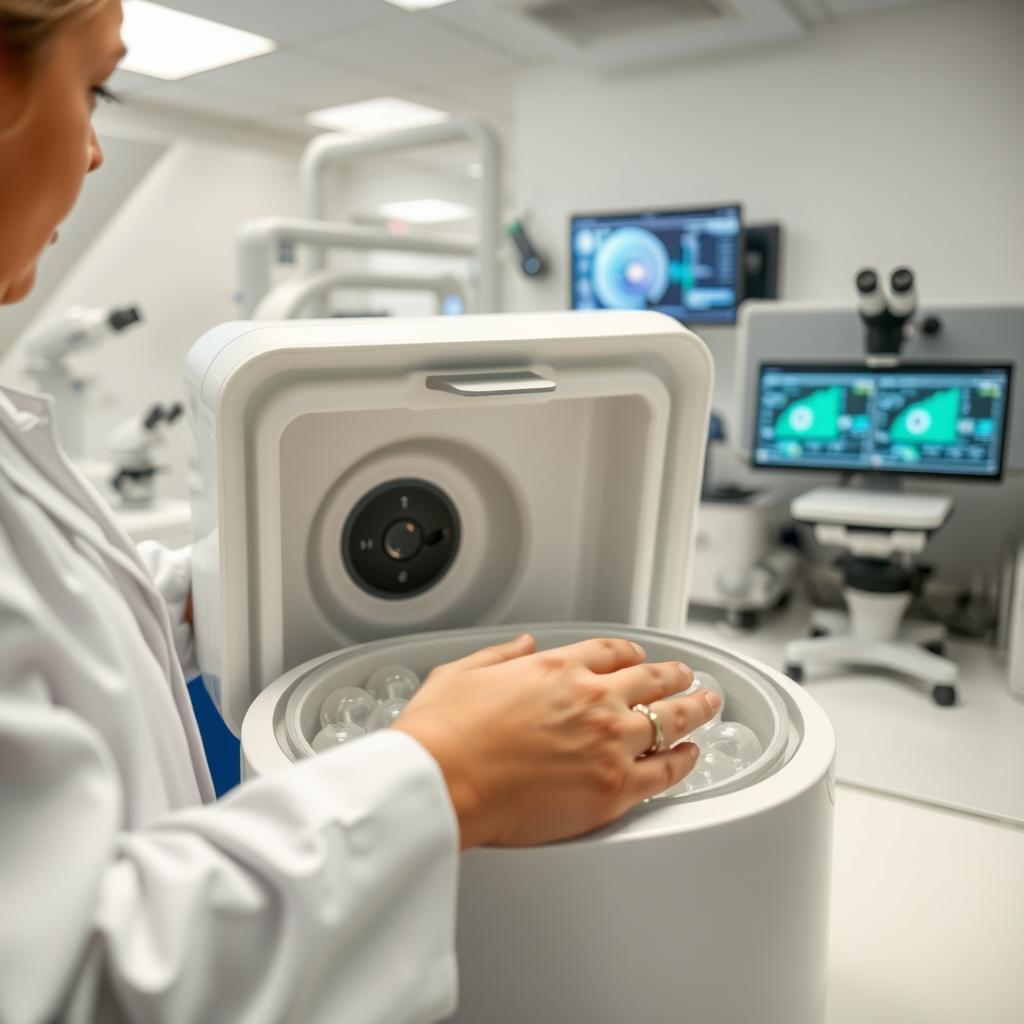
Breakthroughs in Fertility Preservation Techniques
The field of fertility preservation has seen remarkable progress. Here are some of the most impactful advances:
-
Egg Freezing (Oocyte Cryopreservation): Once experimental, egg freezing is now a standard option for fertility preservation in women. Improved vitrification techniques—flash-freezing eggs to prevent ice crystal formation—have boosted success rates. A 2023 study in Fertility and Sterility reported pregnancy rates from frozen eggs nearing those of fresh eggs.
-
Embryo Freezing: For couples or individuals using IVF, embryo freezing is highly effective. Advances in cryopreservation mean embryos can be stored for decades with minimal quality loss.
-
Ovarian Tissue Freezing: This newer method is a game-changer for prepubescent girls or women who can’t delay cancer treatment. Doctors remove and freeze ovarian tissue, which can later be re-implanted to restore fertility. A 2024 trial at the University of Pennsylvania showed 40% of patients regained natural fertility after re-implantation.
-
Sperm Freezing: Men benefit from straightforward sperm cryopreservation, with new techniques improving post-thaw sperm motility. This is critical for those facing medical treatments or occupational hazards like radiation exposure.
-
Testicular Tissue Freezing: Still experimental, this technique preserves fertility for prepubescent boys by freezing testicular tissue before treatments that could cause infertility.
Who Benefits from These Advances?
Fertility preservation isn’t just for medical patients. Here’s who’s using these techniques:
| Group | Reason for Preservation |
|---|---|
| Cancer Patients | Chemotherapy or radiation can damage reproductive cells. |
| Career-Driven Individuals | Delaying parenthood for professional or personal goals. |
| Transgender Individuals | Preserving fertility before gender-affirming treatments. |
| Military Personnel | Protecting fertility before deployment or hazardous duties. |
| Single Women | Freezing eggs to preserve options for future partnerships. |
Each group faces unique challenges, but advances in fertility preservation techniques make solutions more accessible than ever.

Long-Term Effects of Fertility Preservation
While these techniques offer hope, understanding the long-term effects of fertility preservation is crucial. For women, egg or embryo freezing carries minimal physical risks, but the emotional and financial costs can be significant. A single egg-freezing cycle can cost $6,000-$10,000, and success isn’t guaranteed. However, improved success rates are reducing uncertainty.
Ovarian tissue freezing, while promising, is still being studied for long-term outcomes. Early data suggests restored fertility can last years, but more research is needed. For men, sperm freezing is low-risk, with no significant long-term health impacts reported.
Emotionally, the process can be a rollercoaster. I spoke with Sarah, a 34-year-old who froze her eggs in 2022. 'It felt empowering but overwhelming,' she shared. 'Knowing I had options gave me peace, but the costs and uncertainty were tough.' Stories like Sarah’s highlight the need for better insurance coverage and emotional support.
Personal Stories: Real Experiences with Fertility Preservation
Hearing from those who’ve gone through fertility preservation brings the science to life. Take Michael, a 28-year-old cancer survivor. Before starting chemotherapy, he froze his sperm. 'It was a quick decision, but it gave me hope during a dark time,' he said. Three years later, he and his partner welcomed a healthy baby using his preserved sperm.
For women, the journey can be more complex. Lisa, a 38-year-old lawyer, froze her eggs to focus on her career. 'I didn’t want to rush into a relationship just to have kids,' she explained. 'Freezing my eggs let me take control of my timeline.' These stories show how fertility preservation empowers people to make choices that fit their lives.

Practical Tips for Exploring Fertility Preservation
If you’re considering fertility preservation, here’s how to start:
- Consult a Specialist: Find a reproductive endocrinologist with experience in fertility preservation. They’ll assess your health and recommend the best options.
- Understand Costs: Research costs and check if your insurance covers procedures. Some employers now offer fertility benefits.
- Explore Emotional Support: Join support groups or seek counseling to navigate the emotional side of the process.
- Stay Informed: Read up on the latest advances in fertility preservation techniques to make informed decisions.
- Plan Early: The earlier you preserve, the better the outcomes, especially for women.
Resources like the American Society for Reproductive Medicine (ASRM) offer reliable information. Visit ASRM’s website for guidance.
The Future of Fertility Preservation
The future looks bright. Researchers are exploring artificial ovaries, lab-grown eggs, and even stem cell therapies to restore fertility. These could revolutionize options for those facing infertility. Meanwhile, improved access to preservation techniques—through better insurance coverage and lower costs—is a growing focus.
As science advances, so does hope. Whether you’re preserving fertility for medical, personal, or professional reasons, these techniques offer a path to parenthood on your terms.
Summary
Advances in fertility preservation techniques are empowering people to take control of their reproductive futures. From egg and sperm freezing to ovarian tissue preservation, these methods offer hope to cancer patients, career-driven individuals, and others facing infertility. While challenges like cost and emotional stress remain, the long-term effects of fertility preservation are increasingly positive. Stay informed, consult experts, and explore your options to make the best choice for your future.