The Role of Nutrition in Fertility
Oct. 31, 2025, 9:39 a.m.
Nutrition plays a key role in fertility for both men and women. A balanced diet can boost reproductive health, while poor eating habits may lead to infertility issues. This article dives into how food choices affect your chances of conceiving.
Overview
Good nutrition supports hormone balance, egg quality, and sperm health. By eating right, you can improve your fertility naturally. This guide covers essential nutrients, common pitfalls, and ties to factors like age and fertility drugs.
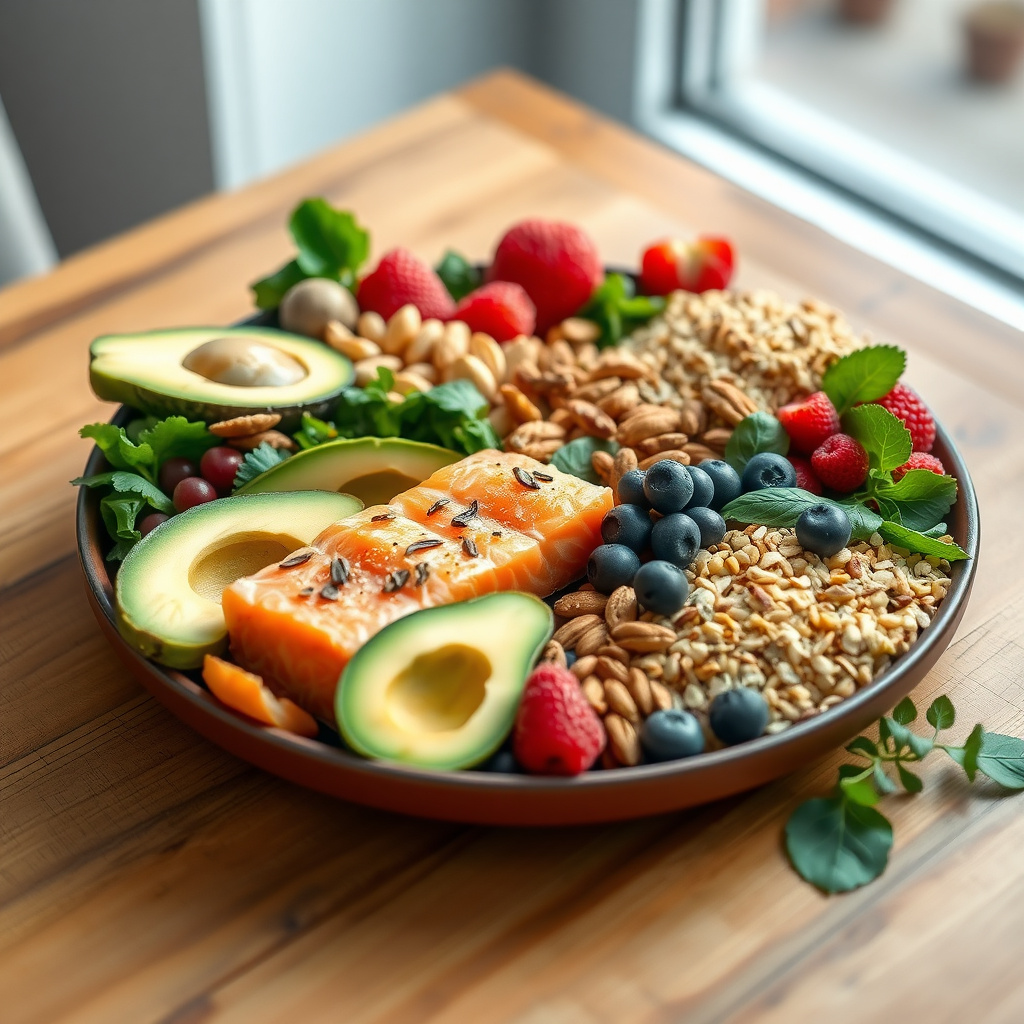
Why Nutrition Matters for Fertility
Your body needs the right fuel to reproduce. Nutrients help create healthy eggs and sperm. They also keep hormones in check. Without them, infertility can become a problem.
Think about it this way: Your reproductive system is like an engine. It runs best on premium fuel. Junk food clogs it up, while whole foods keep it smooth.
Studies from the Harvard School of Public Health show that women who eat more plant-based proteins have higher fertility rates. Men benefit too, with better sperm quality from antioxidant-rich diets.
Key Nutrients for Women's Fertility
Women need specific vitamins and minerals to ovulate well.
-
Folic Acid: This B-vitamin prevents birth defects and aids egg development. Find it in leafy greens, beans, and fortified cereals.
-
Iron: Low iron can stop ovulation. Eat red meat, spinach, and lentils to keep levels up.
-
Omega-3 Fatty Acids: These reduce inflammation and support hormone production. Salmon, flaxseeds, and walnuts are great sources.
From my talks with friends trying to conceive, adding these foods made a big difference. One switched to more greens and felt more energetic during her cycle.
Nutrients for Men's Fertility
Men's sperm health relies on nutrition too.
-
Zinc: Boosts testosterone and sperm count. Oysters, beef, and pumpkin seeds are top picks.
-
Vitamin C: Protects sperm from damage. Citrus fruits, bell peppers, and strawberries help.
-
Selenium: Improves sperm movement. Brazil nuts and tuna provide this mineral.
A buddy of mine improved his sperm motility by eating more nuts. Simple changes like that can turn things around.
The Impact of Diet on Hormone Balance
Hormones drive fertility. Insulin, estrogen, and testosterone need balance.
Eating too much sugar spikes insulin, which can disrupt ovulation. Choose whole grains over refined carbs.
Healthy fats from avocados and olive oil support estrogen levels. Avoid trans fats in processed foods—they harm hormones.
Research from the American Society for Reproductive Medicine links balanced diets to fewer infertility cases.

Common Dietary Mistakes That Hurt Fertility
Many people unknowingly sabotage their fertility with bad habits.
Skipping breakfast messes with blood sugar. Always start your day with protein and fiber.
Too much caffeine can reduce fertility by 27%, per a study in the journal Epidemiology. Limit to one cup a day.
Alcohol slows conception. Women who drink moderately take longer to get pregnant, says the British Medical Journal.
I've seen folks cut back on these and notice improvements quickly.
The Connection Between Nutrition and Infertility
Infertility affects 1 in 8 couples. Nutrition often plays a part.
Obesity from poor diet raises estrogen too high in men, lowering sperm. In women, it causes irregular periods.
Underweight people face issues too. Low body fat stops ovulation.
Addressing nutrition first can resolve some infertility without meds.
Fertility Drugs and Age Factors
Sometimes, nutrition alone isn't enough. Fertility drugs help stimulate ovulation.
But age matters. Women over 35 see declining egg quality. Nutrition can slow this, but fertility drugs often become necessary.
Fertility drugs and age factors interplay—older women may need higher doses. Always pair them with a good diet for best results.
The Mayo Clinic notes that lifestyle changes like better eating enhance drug effectiveness.
Building a Fertility-Friendly Meal Plan
Start with breakfast: Oatmeal with berries and nuts.
Lunch: Grilled chicken salad with greens, avocado, and olive oil dressing.
Dinner: Baked salmon, quinoa, and steamed broccoli.
Snacks: Yogurt with fruits or a handful of almonds.
Drink plenty of water. Aim for 8 glasses a day.
| Meal | Example | Key Nutrients |
|---|---|---|
| Breakfast | Oatmeal with berries | Fiber, antioxidants |
| Lunch | Chicken salad | Protein, healthy fats |
| Dinner | Salmon and veggies | Omega-3s, vitamins |
Supplements: Do They Help?
Whole foods come first, but supplements fill gaps.
Prenatal vitamins with folic acid are smart for women.
CoQ10 boosts egg and sperm quality, per Fertility and Sterility journal.
Talk to a doctor before starting. Overdoing it can harm.
I recommend getting tested for deficiencies first.
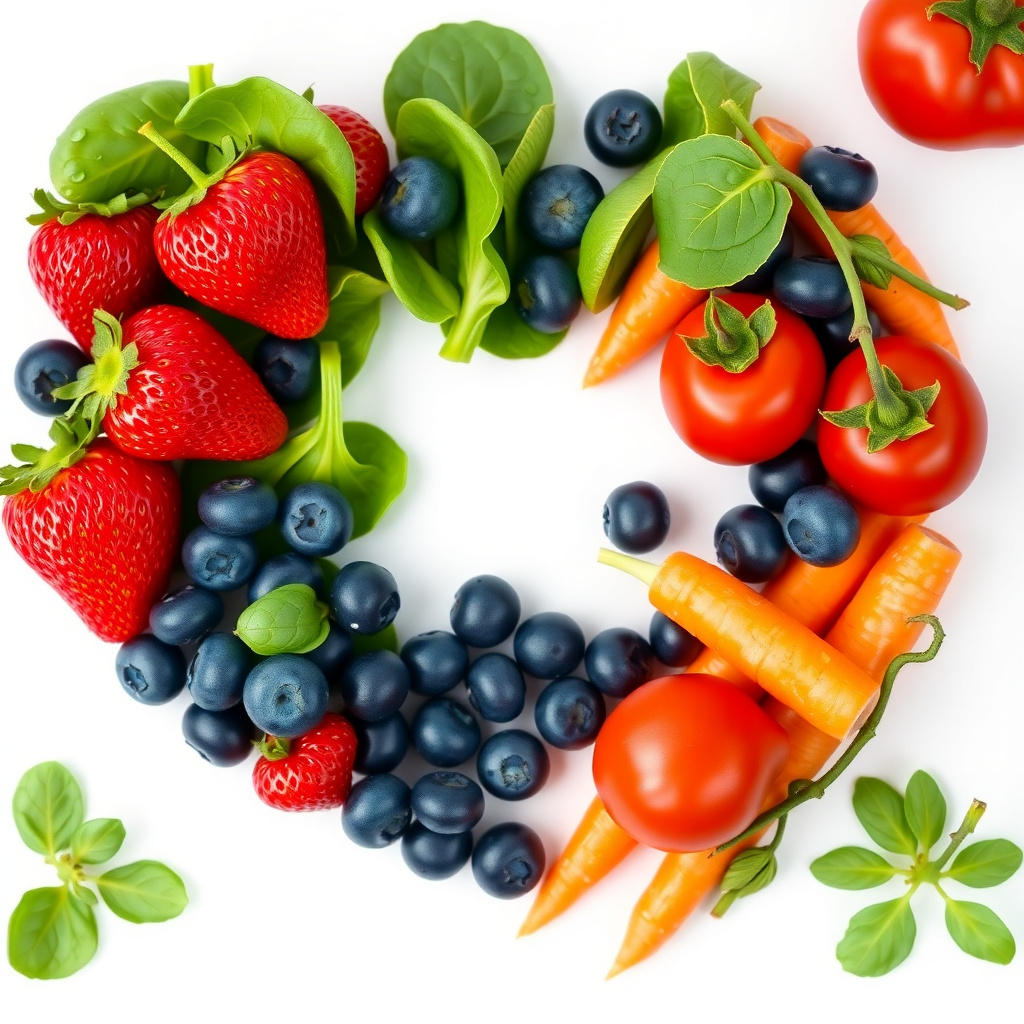
Lifestyle Tips Beyond Diet
Exercise moderately—30 minutes a day helps fertility.
Manage stress with yoga or walks. High stress raises cortisol, hurting hormones.
Sleep 7-9 hours nightly. Poor sleep disrupts cycles.
Combine these with nutrition for the best shot at conception.
Personal Stories and Insights
A couple I know struggled with infertility for years. They overhauled their diet, cutting sugar and adding more veggies. Within months, they conceived naturally.
Another friend used fertility drugs but boosted success with antioxidants. Age was a factor at 38, but nutrition helped.
These stories show food's power in the fertility journey.
Summary
Nutrition shapes fertility by supporting hormones, eggs, and sperm. Avoid common mistakes, eat key nutrients, and consider supplements. For tougher cases, blend with fertility drugs, mindful of age factors. Small changes yield big results.
For more, check the recommended readings below.