Healthy Eating for Fertility: Boost Your Chances with Nutrition
Sept. 1, 2025, 6:45 a.m.
Overview
Trying to conceive can feel like a journey full of hope and uncertainty. While many factors influence fertility, one area you can control is your diet. Healthy eating for fertility involves choosing nutrient-rich foods that support reproductive health for both men and women. By making informed choices, you can create an environment where your body thrives, boosting your chances of starting or growing your family.
Why Diet Matters for Fertility
Your diet doesn’t just fuel your day—it plays a big role in how your body prepares for pregnancy. The foods you eat affect hormone levels, ovulation, sperm quality, and even the health of a developing fetus. Poor nutrition can lead to issues like irregular ovulation or low sperm count, which contribute to infertility. In fact, studies show that about 8.5% of married women of childbearing age face infertility, often influenced by lifestyle factors like diet.
When I started researching fertility for a close friend struggling to conceive, I was amazed at how much food choices mattered. She was eating a lot of processed snacks and sugary drinks, not realizing they could be throwing her hormones out of balance. After switching to a more balanced diet, she felt healthier and eventually conceived. This personal experience showed me that small changes can make a big difference.
Key Nutrients for Fertility
Certain nutrients stand out when it comes to supporting fertility. Here’s a breakdown of the most important ones and how to incorporate them into your diet:
- Folic Acid: Essential for preventing neural tube defects in babies, folic acid also supports ovulation. Women should aim for 400-800 micrograms daily, ideally from supplements and foods like leafy greens, beans, and fortified cereals. A study from the Nurses’ Health Study II found that women with higher folic acid intake had a 66% lower risk of ovulatory infertility.
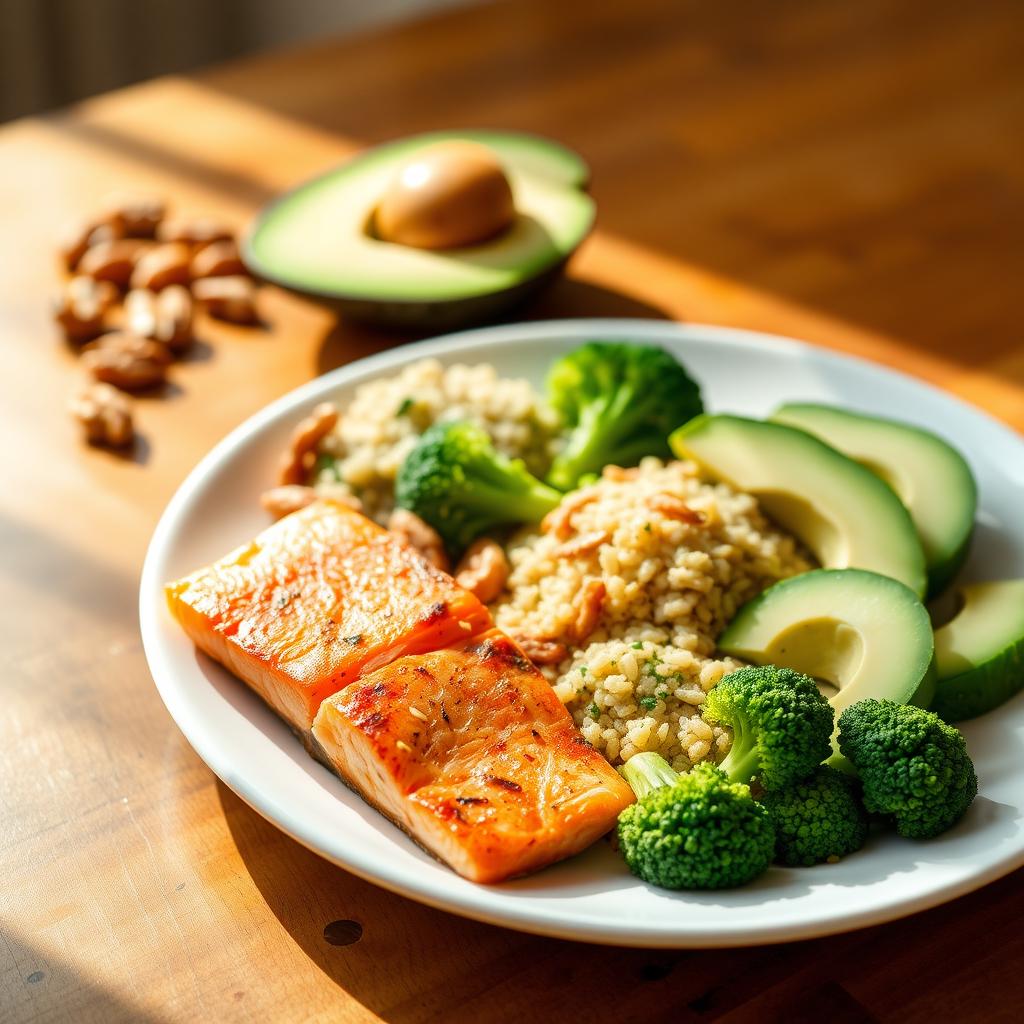
- Omega-3 Fatty Acids: These healthy fats improve egg quality in women and sperm motility in men. Fish like salmon and sardines are great sources, but choose low-mercury options to avoid potential risks.
- Antioxidants: Vitamins C, E, and zinc protect eggs and sperm from oxidative stress. Think colorful fruits, vegetables, nuts, and seeds.
- Iron: Low iron levels can affect ovulation. Plant-based sources like lentils and spinach are ideal, especially when paired with vitamin C to boost absorption.
- Vitamin D: Found in fortified dairy and sunlight exposure, vitamin D supports egg quality and implantation. A meta-analysis showed that adequate vitamin D levels are linked to better outcomes in assisted reproductive technology.
The Fertility-Friendly Diet: What to Eat
A fertility-friendly diet looks a lot like a healthy, balanced one, but with a focus on specific foods that support reproductive health. The Mediterranean diet, rich in plant-based foods, healthy fats, and lean proteins, is often praised for its fertility benefits. Here’s what to prioritize:
| Food Group | Examples | Benefits |
|---|---|---|
| Fruits & Vegetables | Berries, spinach, carrots | Provide antioxidants and fiber |
| Whole Grains | Quinoa, brown rice, oats | Stabilize blood sugar, support hormones |
| Lean Proteins | Poultry, beans, tofu | Support ovulation and sperm quality |
| Healthy Fats | Olive oil, avocados, nuts | Improve egg and sperm health |
| Low-Mercury Fish | Salmon, sardines | Boost omega-3 intake |
When my friend adopted a Mediterranean-style diet, she swapped out fast food for home-cooked meals with lots of veggies and olive oil. She said it wasn’t just about fertility—she felt more energetic and in control. Couples eating more seafood, for example, conceived faster than those who ate less, according to a Harvard Health study.

Foods to Limit or Avoid
Just as some foods boost fertility, others can hinder it. Here’s what to cut back on:
- Processed Foods and Sugars: Sugary drinks and fast food are linked to lower fertility in both men and women. They can cause insulin resistance, which disrupts hormones.
- High-Mercury Fish: Shark, swordfish, and king mackerel can harm reproductive health due to mercury buildup.
- Trans Fats: Found in fried foods and baked goods, trans fats are linked to poorer fertility outcomes.
- Excessive Caffeine and Alcohol: While moderate coffee (1-2 cups daily) is usually fine, heavy caffeine or alcohol intake may reduce fertility. A review on PubMed found inconsistent results, but limiting both is a safe bet.
I remember my friend panicking about her morning coffee, but her doctor reassured her that a single cup was fine. It’s about balance, not deprivation.
Impact of Lifestyle on Fertility Preservation
Diet is just one piece of the puzzle. The impact of lifestyle on fertility preservation is huge. Maintaining a healthy weight is key—both underweight and overweight women may experience irregular ovulation. For men, obesity can lower sperm count and motility. Regular exercise, stress management, and avoiding smoking also play a role in fertility preservation in women and men.
When my cousin was trying to conceive, her doctor emphasized sleep and stress reduction alongside diet. She started yoga and cut back on late-night work, which helped her feel more balanced. Small lifestyle tweaks, like eating nutrient-dense meals and staying active, can support long-term fertility preservation.

Special Considerations for Fertility Preservation in Women
For women, fertility preservation often involves planning ahead, especially if you’re delaying pregnancy. Diet can support egg quality and ovarian health. Conditions like polycystic ovary syndrome (PCOS) or endometriosis may require tailored nutrition. For example, reducing simple carbs can help manage PCOS symptoms by stabilizing insulin levels. A study in Frontiers found that lower carb intake improved pregnancy rates in women with PCOS.
If you’re undergoing treatments like IVF, a nutrient-rich diet can improve outcomes. My friend’s fertility clinic recommended she focus on plant-based proteins and healthy fats before her IVF cycle, and she felt it gave her body the best shot.
Tips for Both Partners
Fertility isn’t just a woman’s issue—men’s diet matters too. A diet rich in antioxidants, like walnuts and tomatoes, can improve sperm quality. Couples who eat together and share healthy habits often see better results. Try meal prepping together or swapping one fast-food meal a week for a home-cooked one. It’s a team effort, and it can make the journey feel less overwhelming.
I’ve seen couples bond over cooking healthy meals, turning a stressful time into a shared goal. It’s not just about conception—it’s about building a healthier life together.
Summary
Healthy eating for fertility is about nourishing your body with the right nutrients to support reproductive health. Focus on whole foods, healthy fats, and key nutrients like folic acid and omega-3s. Limit processed foods, high-mercury fish, and excessive caffeine or alcohol. Combine diet with a balanced lifestyle for the best chance at conception. Small, consistent changes can pave the way for a healthier pregnancy journey.