Understanding PCOS: Symptoms and Solutions
Sept. 3, 2025, 6:38 a.m.
Overview
Polycystic Ovary Syndrome (PCOS) affects millions of women worldwide, often causing irregular periods, weight gain, and infertility. Understanding PCOS: Symptoms and Solutions is key to managing this condition. This article dives into its signs, causes, and practical steps to take control of your health.
What Is PCOS?
PCOS is a hormonal disorder common among women of reproductive age. It disrupts the balance of estrogen and progesterone, leading to irregular ovulation or none at all. This can cause cysts on the ovaries, though not every woman with PCOS has them. The condition often goes undiagnosed for years because symptoms vary widely.
I remember a friend sharing her frustration with unpredictable periods and unexplained weight gain. She felt dismissed by doctors until a proper PCOS diagnosis gave her clarity. Her story isn’t unique—many women struggle to pinpoint why their bodies feel 'off.' Knowing the symptoms is the first step.
Common Symptoms of PCOS
PCOS manifests differently in everyone, but some signs are telltale. Here’s what to watch for: - Irregular Periods: Cycles longer than 35 days or fewer than eight periods a year. - Excess Hair Growth: Hirsutism, or unwanted hair on the face, chest, or back, due to high androgen levels. - Acne and Oily Skin: Persistent breakouts, especially on the jawline. - Weight Gain: Difficulty losing weight or sudden gains, often tied to insulin resistance. - Infertility: Trouble conceiving due to ovulation disorders. - Thinning Hair: Hair loss or balding on the scalp, similar to male-pattern baldness.
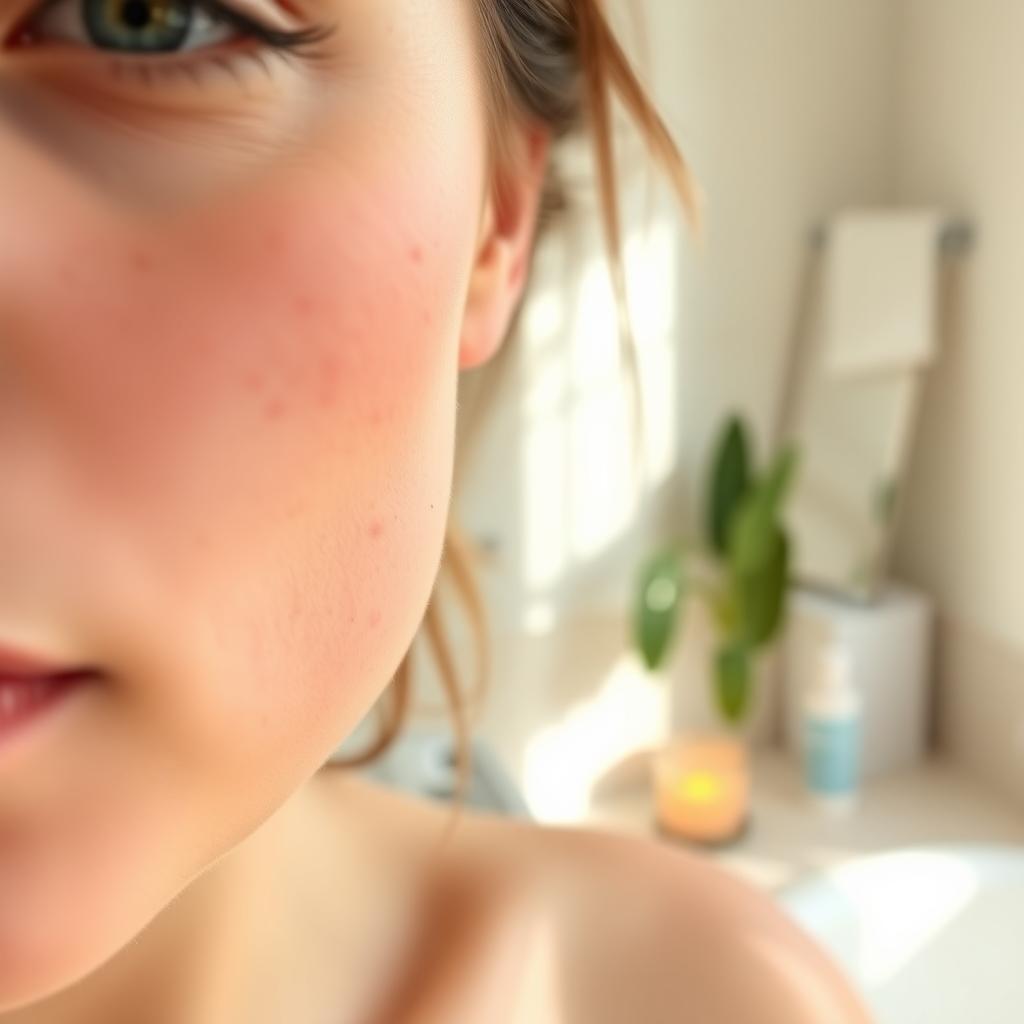
These symptoms can feel overwhelming. My friend described feeling embarrassed about her facial hair, avoiding social events because of it. If you’re noticing these signs, you’re not alone. Tracking symptoms with a journal can help when discussing them with a doctor.
What Causes PCOS?
The exact cause of PCOS isn’t fully understood, but several factors play a role: | Factor | Description | |--------|-------------| | Genetics | If your mother or sister has PCOS, you’re more likely to develop it. | | Insulin Resistance | High insulin levels can increase androgen production, disrupting ovulation. | | Hormonal Imbalance | Elevated androgens interfere with egg release, causing ovulation disorders. | | Inflammation | Chronic low-grade inflammation may worsen symptoms. | Studies, like those from the National Institutes of Health, suggest insulin resistance affects up to 70% of women with PCOS, making diet and lifestyle critical.
PCOS and Female Infertility
PCOS is a leading cause of female infertility due to ovulation disorders. Without regular ovulation, eggs aren’t released, making conception difficult. I’ve spoken with women who felt defeated after months of trying to conceive, only to learn PCOS was the culprit. The good news? Treatment options for ovulation disorders can help.
Treatment Options for Ovulation Disorders
Managing PCOS often focuses on restoring ovulation and balancing hormones. Here are common approaches: 1. Lifestyle Changes: Weight loss, even 5-10% of body weight, can regulate cycles. A balanced diet low in processed carbs helps manage insulin resistance. 2. Medications: - Clomiphene Citrate: Stimulates ovulation in women trying to conceive. - Metformin: Improves insulin sensitivity, often used for women with type 2 diabetes or prediabetes. - Letrozole: Another ovulation-inducing drug, sometimes more effective than clomiphene. 3. Hormonal Birth Control: Regulates periods and reduces androgen-related symptoms like acne or hair growth. 4. Supplements: Inositol, particularly myo-inositol, may improve ovulation and insulin sensitivity, per research from the Journal of Clinical Endocrinology. 5. Fertility Treatments: In vitro fertilization (IVF) or intrauterine insemination (IUI) for persistent infertility.
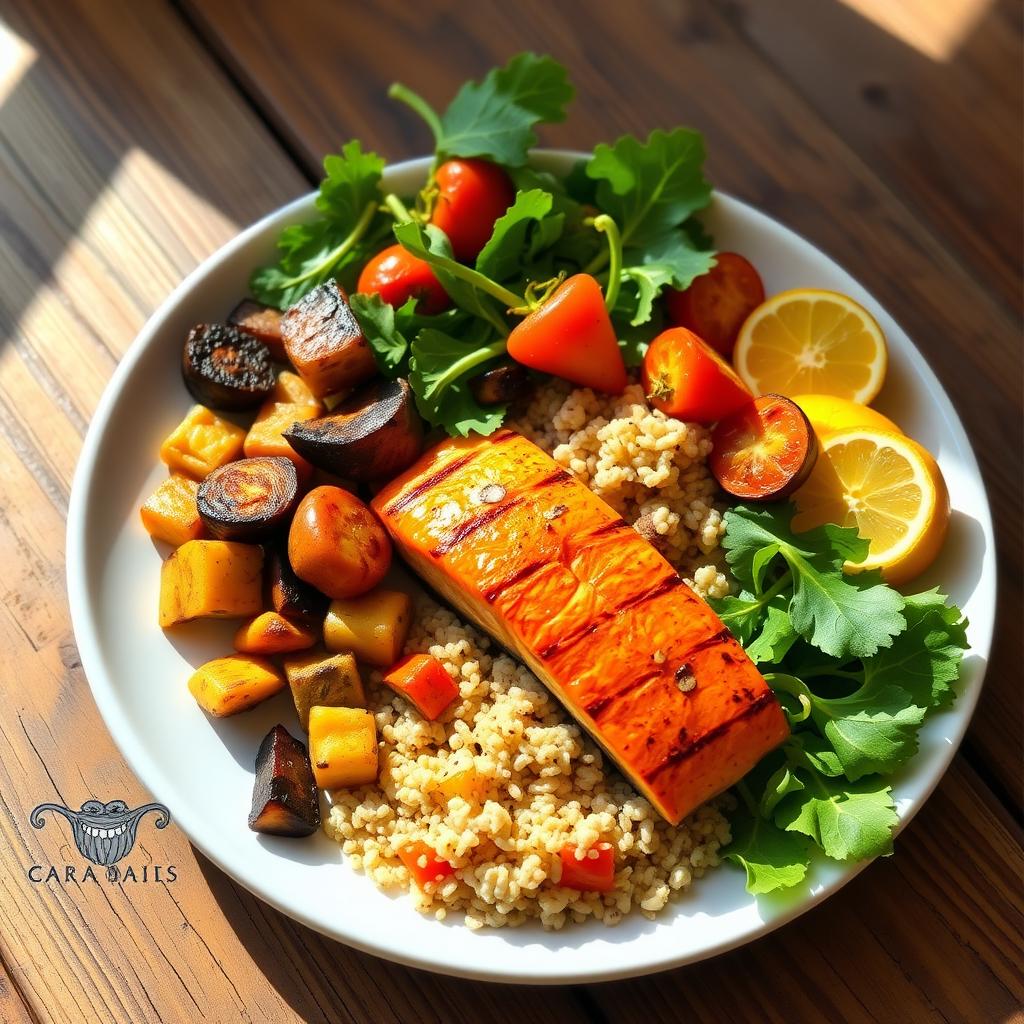
My friend found that cutting sugary drinks and adding strength training made a big difference in her energy and cycle regularity. Small changes add up. Always consult a healthcare provider to tailor treatments to your needs.
Lifestyle Tips for Managing PCOS
Beyond medical treatments, daily habits can ease symptoms: - Exercise Regularly: Aim for 30 minutes of moderate activity, like brisk walking or yoga, most days. - Eat a PCOS-Friendly Diet: Focus on whole foods—think lean proteins, healthy fats, and low-glycemic carbs like sweet potatoes. - Manage Stress: Chronic stress can worsen hormonal imbalances. Try meditation or deep breathing. - Sleep Well: Poor sleep disrupts insulin and hormones. Aim for 7-9 hours nightly. These steps aren’t just for PCOS—they improve overall health. I’ve seen friends feel empowered after swapping late-night scrolling for a bedtime routine.
Emotional and Mental Health with PCOS
PCOS isn’t just physical. The emotional toll—feeling self-conscious about weight, hair, or infertility—can be heavy. Support groups, therapy, or even online communities can help. One woman I know found solace in a PCOS forum on X, where others shared tips and encouragement.

When to See a Doctor
If you suspect PCOS, don’t wait. A doctor can diagnose it through blood tests, ultrasounds, and symptom reviews. Early diagnosis prevents complications like diabetes or heart disease. Bring a symptom log to your appointment—it’s a game-changer for clear communication.
Summary
Understanding PCOS: Symptoms and Solutions empowers women to take charge of their health. From irregular periods to infertility, PCOS is manageable with lifestyle changes, medications, and support. Start small, stay consistent, and seek professional guidance to navigate this condition confidently.