In Vitro Fertilization with Donor Eggs: A Comprehensive Guide to Your Journey
Sept. 4, 2025, 5:20 p.m.
Overview
In Vitro Fertilization with donor eggs offers hope for individuals and couples facing infertility. This advanced fertility treatment combines a donor’s eggs with sperm in a lab to create embryos, which are then transferred to the uterus. This guide dives into the process, emotional journey, and practical steps for those considering IVF with donor eggs.
What Is In Vitro Fertilization with Donor Eggs?
In Vitro Fertilization (IVF) is a process where eggs are fertilized outside the body and implanted into the uterus. When using donor eggs, the eggs come from a donor—often a young, healthy woman—rather than the intended parent. This is a common option for women with low egg quality, advanced age, or medical conditions affecting fertility.
IVF with donor eggs increases the chances of pregnancy for those struggling with infertility. According to the CDC’s 2021 ART Report, donor egg cycles have a success rate of about 50% per cycle for women over 40, compared to lower rates with their own eggs.
Why Choose Donor Eggs?
Infertility can stem from various causes—diminished ovarian reserve, premature ovarian failure, or genetic concerns. Donor eggs provide a viable path forward. Here’s why people choose this option:
- Higher Success Rates: Donor eggs come from younger women, typically under 30, ensuring better egg quality.
- Genetic Diversity: Couples can select donors with specific traits, if desired.
- Overcoming Medical Barriers: Ideal for women with conditions like endometriosis or chemotherapy-related infertility.
For example, Sarah, a 42-year-old teacher, shared, 'After years of failed treatments, donor eggs gave us our daughter. It wasn’t our first choice, but it was the right one.'

The IVF with Donor Eggs Process
The journey of In Vitro Fertilization with donor eggs involves several steps. Here’s a breakdown:
- Donor Selection: You’ll choose a donor through a clinic or agency. Donors are screened for health, genetics, and lifestyle factors.
- Synchronization: The recipient’s cycle is synced with the donor’s using medications.
- Egg Retrieval: The donor undergoes egg retrieval under sedation.
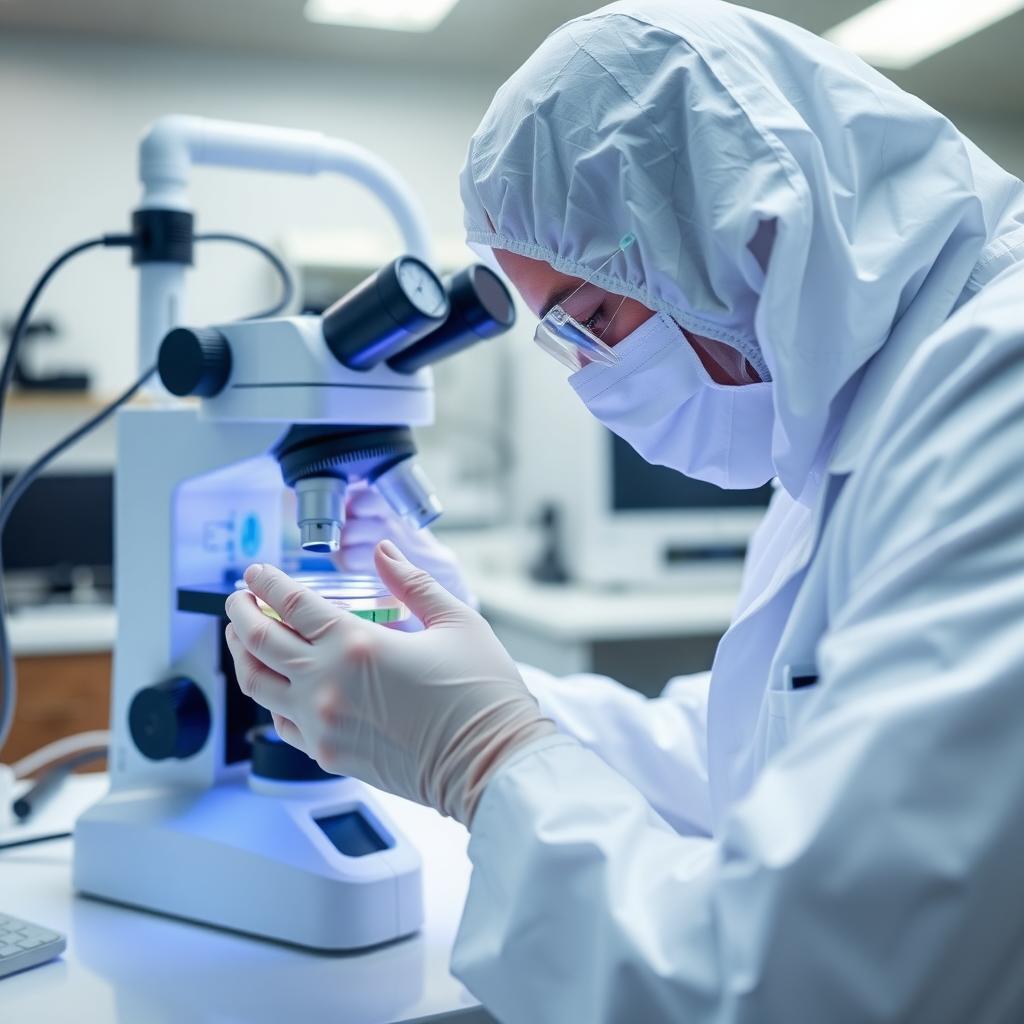
- Fertilization: Eggs are fertilized with sperm in a lab to create embryos.
- Embryo Transfer: Healthy embryos are transferred to the recipient’s uterus.
- Pregnancy Test: About 10-14 days later, a test confirms pregnancy.
The American Society for Reproductive Medicine provides detailed guidelines on donor screening, ensuring safety and transparency.
Emotional Considerations
Choosing donor eggs can be an emotional rollercoaster. Many feel a mix of hope, grief, and excitement. It’s common to mourn the loss of a genetic connection while embracing the chance to become a parent. Counseling is often recommended to navigate these feelings.
Lisa, a mother via donor eggs, shared, 'I worried I wouldn’t bond with my baby. But the moment I held her, she was mine in every way.' Support groups and therapists specializing in infertility can provide invaluable guidance.
Costs and Financial Planning
IVF with donor eggs can be expensive, often ranging from $20,000 to $40,000 per cycle, depending on the clinic and location. This includes donor fees, medications, and lab costs. Some insurance plans cover parts of the process, but coverage varies widely.
Here are ways to manage costs:
- Grants and Scholarships: Organizations like BabyQuest Foundation offer financial aid for fertility treatments.
- Payment Plans: Many clinics provide financing options.
- Shared Donor Programs: Splitting donor eggs with another recipient can lower costs.
Always discuss costs upfront with your clinic to avoid surprises.
Success Rates and Expectations
Success rates for IVF with donor eggs are promising but not guaranteed. Factors like the recipient’s uterine health and the quality of the sperm play a role. The Society for Assisted Reproductive Technology reports that live birth rates for donor egg IVF are around 40-50% per transfer for women of all ages.
It’s important to set realistic expectations. Multiple cycles may be needed, and emotional resilience is key. Clinics often provide data on their success rates, so ask for specifics.

Legal and Ethical Considerations
Using donor eggs involves legal agreements to protect all parties. Donors typically sign contracts relinquishing rights to any resulting children. Laws vary by country and state, so consult a reproductive attorney.
Ethically, some worry about the commercialization of egg donation or the psychological impact on donors. Reputable clinics follow strict guidelines to ensure informed consent and fair compensation for donors.
Preparing for the Journey
Before starting IVF with donor eggs, take these steps:
- Research Clinics: Look for accredited centers with high success rates.
- Build a Support System: Connect with others who’ve used donor eggs through online forums or local groups.
- Prioritize Self-Care: Stress management, like yoga or meditation, can help during the process.
Having a clear plan and support network makes the journey smoother.
Summary
In Vitro Fertilization with donor eggs is a powerful option for those facing infertility, offering high success rates and the chance to build a family. While the process involves emotional and financial challenges, the reward—a child—can make it worthwhile. With careful planning, support, and expert care, this journey can lead to joyful outcomes.