Nutrition and Fertility: Best Foods for Conception
Sept. 5, 2025, 6:45 a.m.
Overview: Fueling Your Fertility Journey
Trying to conceive can feel like an emotional rollercoaster. For many, nutrition becomes a powerful tool to support fertility. Nutrition and Fertility: Best Foods for Conception explores how the right foods and lifestyle choices can enhance your chances of getting pregnant, whether you're trying naturally or with treatments like IVF.
Why Nutrition Matters for Fertility
Your diet plays a big role in reproductive health. What you eat affects hormone balance, egg quality, sperm health, and overall wellness. Poor nutrition can disrupt ovulation, lower sperm count, or make it harder for an embryo to implant. On the flip side, a nutrient-rich diet can create a fertile environment in your body.
When I was trying to conceive, I felt overwhelmed by conflicting advice. But focusing on whole, nutrient-dense foods gave me a sense of control. Research backs this up: studies show that diets high in certain nutrients can improve fertility outcomes, even for those with an infertility diagnosis.
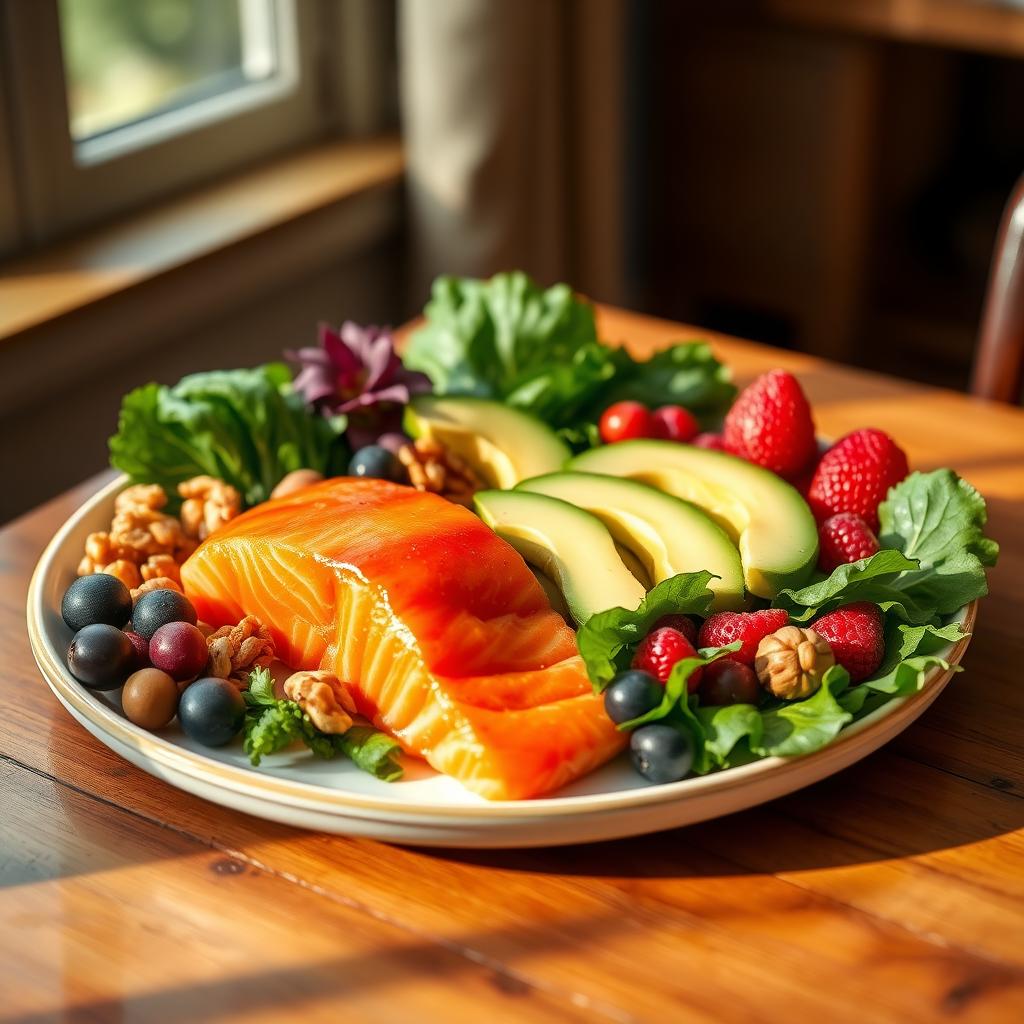
Best Foods for Conception
Let’s dive into the foods that can support your fertility journey. These choices are backed by science and practical for everyday life.
1. Leafy Greens
Spinach, kale, and Swiss chard are packed with folate, a B-vitamin crucial for DNA synthesis and cell division. Folate supports ovulation and may reduce the risk of miscarriage. Aim for 2–3 cups daily, whether in salads, smoothies, or sautéed dishes.
2. Fatty Fish
Salmon, mackerel, and sardines are rich in omega-3 fatty acids, which reduce inflammation and support hormone production. Omega-3s may also improve egg quality and sperm motility. Try eating fish 2–3 times per week.
3. Whole Grains
Quinoa, brown rice, and oats provide complex carbohydrates that stabilize blood sugar and insulin levels. Balanced insulin is key for ovulation, especially for those with PCOS, a common cause of infertility. Swap refined grains for whole ones to keep energy steady.
4. Nuts and Seeds
Walnuts, almonds, and pumpkin seeds offer healthy fats, zinc, and selenium. Zinc supports sperm health, while selenium protects eggs from oxidative stress. A small handful daily is plenty.
5. Berries
Blueberries, raspberries, and strawberries are loaded with antioxidants, which protect reproductive cells from damage. They’re also low in sugar, making them a great snack for hormone balance.
6. Avocados
Avocados are a fertility superfood, rich in healthy fats and vitamin E, which supports uterine lining health. Add half an avocado to your meals a few times a week.
Foods to Avoid
Just as some foods boost fertility, others can hinder it. Limit these to create a fertility-friendly diet:
- Trans Fats: Found in processed snacks and fast food, trans fats can disrupt ovulation.
- Sugary Drinks: High sugar intake spikes insulin, which can affect hormone balance.
- Excess Caffeine: More than 200 mg daily (about two cups of coffee) may lower conception odds.
When I cut out sugary sodas, I noticed more energy and fewer mood swings. Small changes like this can make a big difference.

Lifestyle Factors Beyond Diet
Infertility diagnosis and lifestyle factors go hand in hand. Diet is critical, but other habits matter too. Here’s what to focus on:
| Factor | Impact on Fertility | Actionable Tip |
|---|---|---|
| Exercise | Moderate activity improves ovulation and sperm health. | Aim for 30 minutes of walking or yoga 5 days a week. |
| Sleep | Poor sleep disrupts hormones like melatonin, which affects fertility. | Get 7–8 hours of quality sleep nightly. |
| Stress | Chronic stress raises cortisol, which can delay ovulation. | Try meditation or journaling for 10 minutes daily. |
| Weight | Being under- or overweight can disrupt cycles. | Work with a doctor to reach a healthy BMI. |
I found that adding a short evening walk not only helped my body but also gave me time to clear my mind. It’s amazing how small habits add up.
Nutrition and IVF: Special Considerations
For those undergoing IVF, nutrition is even more critical. IVF demands a lot from your body, and the right foods can support egg quality, embryo development, and recovery. Focus on protein-rich foods like eggs and lentils to support tissue repair. Hydration is also key—aim for 8–10 cups of water daily to support blood flow and hormone delivery.
A friend who went through IVF swore by bone broth for its collagen and nutrients. She said it made her feel stronger during the process. Always check with your doctor before making big dietary changes during infertility treatments.
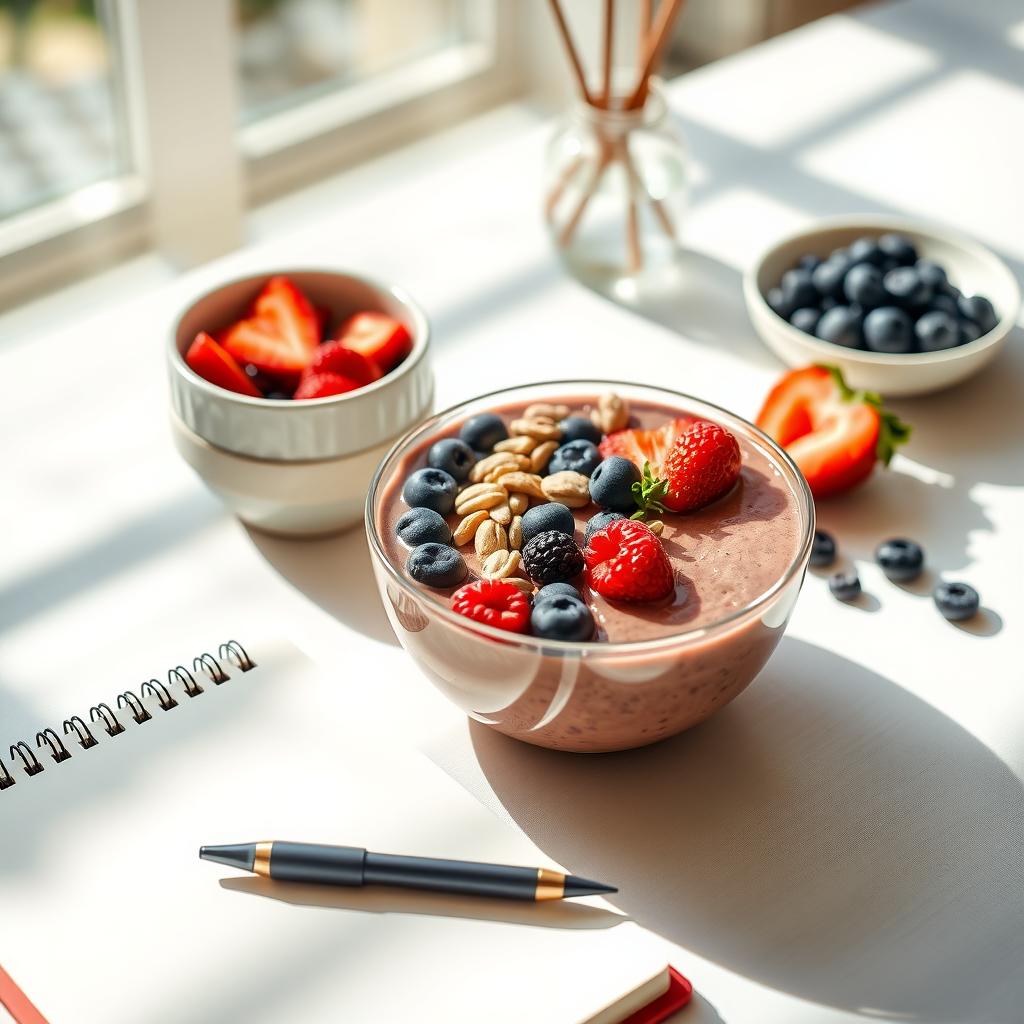
Sample Meal Plan for Fertility
Here’s a simple one-day meal plan to get you started:
- Breakfast: Greek yogurt with mixed berries, chia seeds, and a drizzle of honey.
- Snack: A handful of almonds and an apple.
- Lunch: Grilled salmon with quinoa and steamed broccoli.
- Snack: Carrot sticks with hummus.
- Dinner: Chicken stir-fry with brown rice, spinach, and bell peppers.
This plan is balanced, nutrient-dense, and easy to adapt. I loved experimenting with new recipes—it made the journey feel less like a chore.
The Role of Supplements
Sometimes, food alone isn’t enough. Supplements can fill gaps, but talk to your doctor first. Common ones for fertility include:
- Folic Acid: 400–800 mcg daily to prevent birth defects.
- CoQ10: May improve egg and sperm quality.
- Vitamin D: Supports hormone balance; many people are deficient.
I started taking vitamin D after a blood test showed I was low. Within weeks, I felt more energized, though it’s hard to say if it directly helped conception.
Emotional and Practical Tips
Navigating infertility can feel isolating, but you’re not alone. Connect with a support group or a nutritionist who specializes in fertility. Tracking your meals can also help you stay consistent. Apps like MyFitnessPal make it easy to log what you eat and spot patterns.
When I was struggling, talking to others who’d been there helped me stay hopeful. It reminded me that fertility is a journey, not a race.
Summary: Take Control of Your Fertility
Nutrition is a powerful way to support your fertility, whether you’re trying naturally or with IVF. By focusing on nutrient-rich foods like leafy greens, fatty fish, and whole grains, and pairing them with healthy lifestyle habits, you can create the best environment for conception. Small, consistent changes can lead to big results. Stay patient, stay informed, and keep your doctor in the loop.