Exercise Plans to Boost Fertility Naturally: A Comprehensive Guide
Sept. 9, 2025, 6:44 a.m.
Overview
Trying to conceive can feel like an emotional rollercoaster, but your lifestyle choices, including exercise, can make a real difference. Exercise plans to boost fertility naturally focus on moderate, consistent activities that support hormonal balance, reduce stress, and improve overall health. This guide dives into practical, science-backed workouts to enhance your fertility journey.
Why Exercise Matters for Fertility
Exercise isn’t just about staying fit—it plays a big role in fertility. Regular physical activity can improve blood flow to reproductive organs, balance hormones like estrogen and progesterone, and help maintain a healthy body mass index (BMI). These factors are critical for ovulation and conception. For men, exercise can improve sperm quality and count. However, too much or too intense exercise can disrupt hormonal balance, so moderation is key.
Research from the American Society for Reproductive Medicine shows that women with a healthy BMI (18.5–24.9) have better fertility outcomes. Both being overweight or underweight can affect ovulation, making it harder to conceive naturally. Exercise helps you stay in that healthy range, but it’s not a one-size-fits-all solution. Your workout plan should match your fitness level and fertility goals.
Best Exercises to Boost Fertility Naturally
Here’s a breakdown of the most effective exercises to support your fertility journey. These activities are low-impact, beginner-friendly, and backed by science to optimize reproductive health.
1. Yoga for Stress Relief and Hormonal Balance
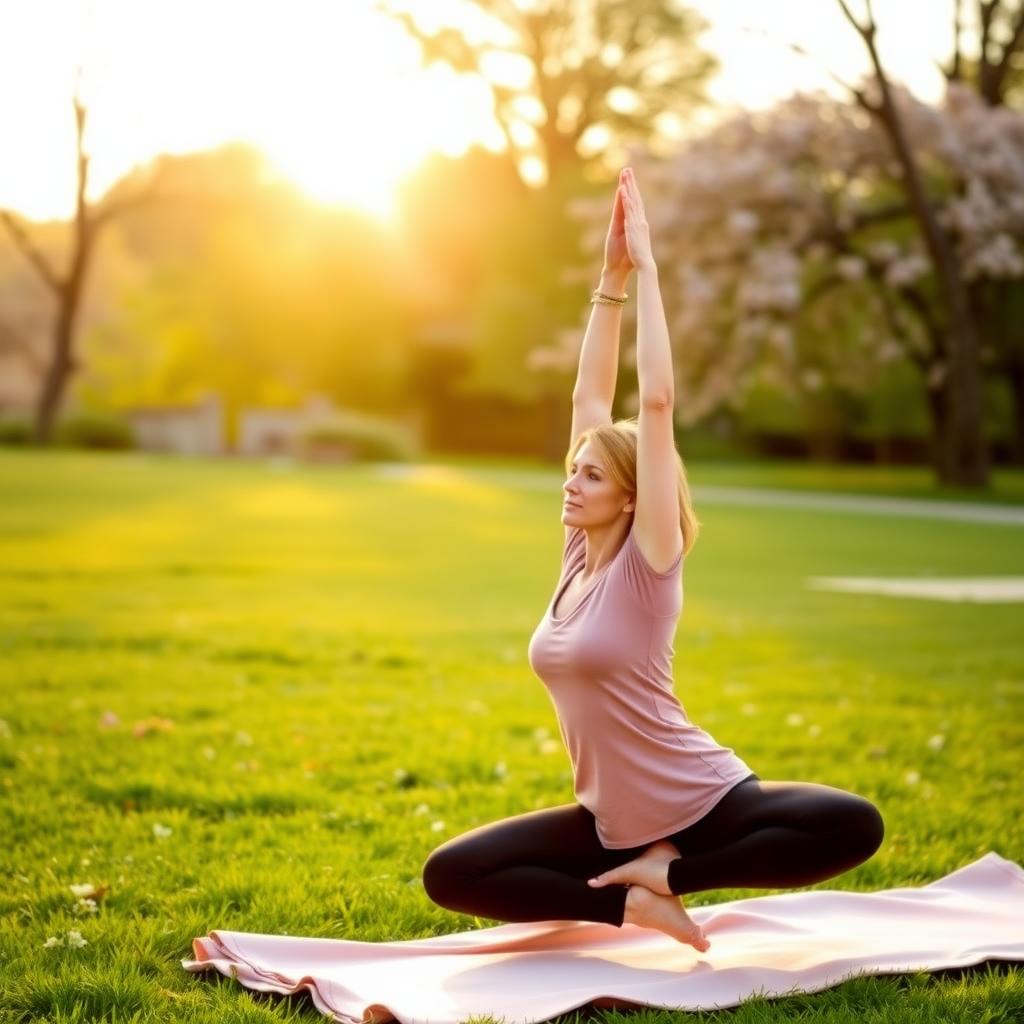
Yoga is a powerhouse for fertility. It reduces stress, which can interfere with ovulation, and improves blood flow to the reproductive organs. Poses like Child’s Pose, Legs-Up-the-Wall, and Reclined Bound Angle are especially helpful. A study from Harvard Medical School found that yoga can lower cortisol levels, a stress hormone that can disrupt fertility. Aim for 20–30 minutes of yoga 3–4 times a week.
Tips for Yoga: - Join a fertility-focused yoga class or follow online videos. - Focus on gentle, restorative poses rather than intense flows. - Practice deep breathing to enhance relaxation.
2. Brisk Walking for Cardiovascular Health
Walking is simple, free, and effective. It improves circulation, helps maintain a healthy weight, and boosts mood without overtaxing the body. Aim for 30 minutes of brisk walking most days of the week, as recommended by the Centers for Disease Control and Prevention (CDC).
Walking Plan: - Start with 15-minute walks if you’re new to exercise. - Gradually increase to 30–45 minutes at a pace where you can talk but not sing. - Walk in nature for added stress relief.
3. Strength Training for Muscle and Metabolism
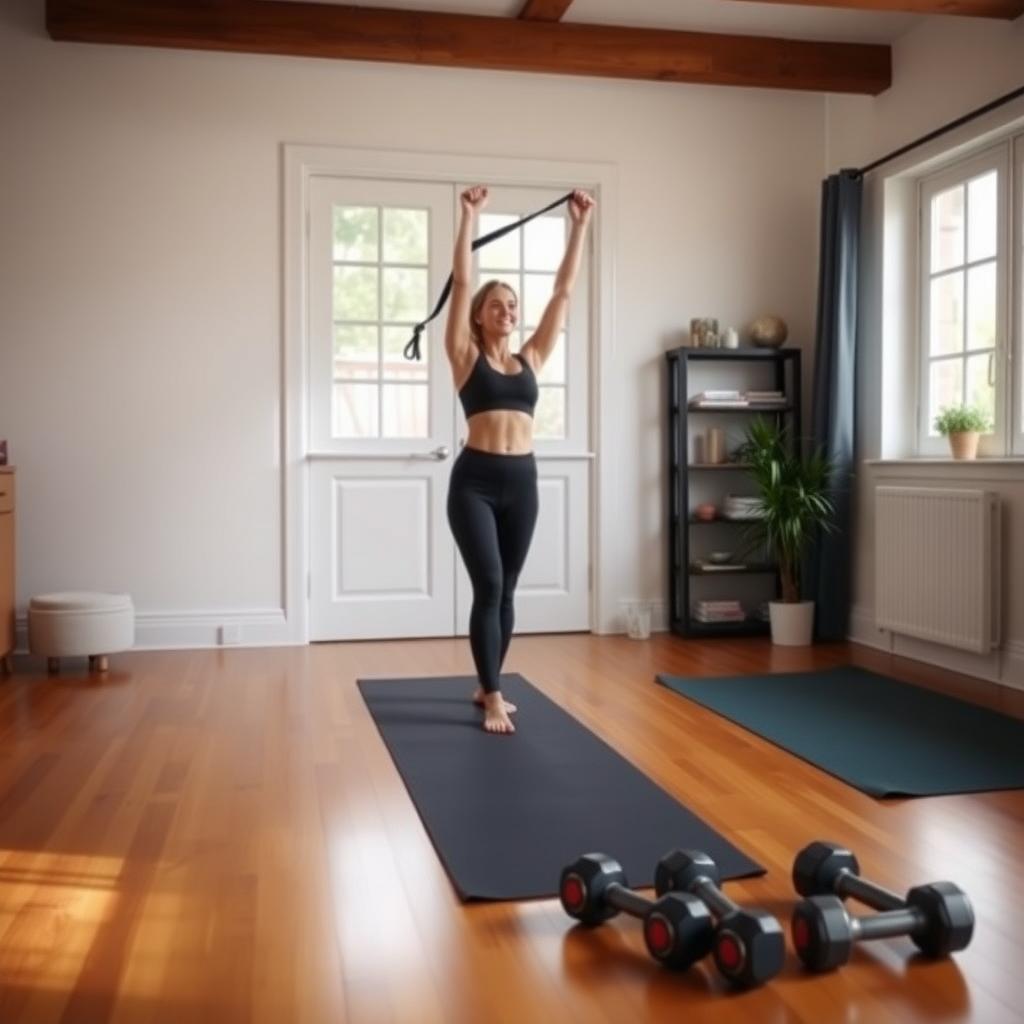
Light strength training, like bodyweight exercises or resistance bands, builds muscle and supports a healthy metabolism. This can help regulate insulin levels, which is crucial for women with polycystic ovary syndrome (PCOS), a common infertility diagnosis. Avoid heavy lifting, as it may increase stress hormones.
Sample Strength Routine (2–3 times per week): | Exercise | Reps/Sets | Notes | |----------------|-----------------|---------------------------| | Bodyweight Squats | 12 reps, 3 sets | Keep knees behind toes | | Push-Ups (Modified) | 10 reps, 3 sets | Use knees if needed | | Resistance Band Rows | 12 reps, 3 sets | Focus on slow, controlled movements |
4. Swimming for Low-Impact Fitness
Swimming is gentle on the joints and provides a full-body workout. It improves cardiovascular health and helps maintain a healthy weight without stressing the body. Swim for 20–30 minutes, 2–3 times a week, at a moderate pace.
Swimming Tips: - Try freestyle or breaststroke for a balanced workout. - Avoid hot tubs or overheated pools, as high temperatures can affect fertility.
5. Pelvic Floor Exercises for Reproductive Support
Pelvic floor exercises, like Kegels, strengthen the muscles supporting your reproductive organs. They can improve sexual function and prepare your body for pregnancy. Practice Kegels daily by contracting and relaxing the pelvic muscles for 10–15 reps.
Exercise and Infertility Diagnosis
If you’ve received an infertility diagnosis, exercise can still play a supportive role. For example, women with PCOS benefit from moderate exercise to manage insulin resistance, a key factor in ovulation issues. However, if you’re undergoing fertility treatments like IVF, your exercise routine may need adjustments. High-impact workouts can stress the body during IVF cycles, so consult your doctor. The Mayo Clinic advises limiting intense exercise during IVF to avoid complications.
Key Considerations for Infertility Diagnosis and Lifestyle Factors: - PCOS: Focus on low-impact cardio and strength training to improve insulin sensitivity. - Endometriosis: Gentle yoga and walking can reduce inflammation without worsening symptoms. - Male Infertility: Moderate exercise improves sperm quality, but avoid excessive cycling, which may reduce sperm count due to heat and pressure.
Always talk to your healthcare provider to tailor your exercise plan to your specific diagnosis.
Common Mistakes to Avoid
While exercise is beneficial, certain habits can hinder fertility. Here’s what to watch out for:
- Overdoing It: Intense workouts, like marathon running, can disrupt ovulation by increasing cortisol. Stick to moderate exercise (3–5 times per week, 30–60 minutes).
- Ignoring Rest Days: Your body needs recovery time to maintain hormonal balance. Take at least 1–2 rest days per week.
- Poor Nutrition: Exercise without enough calories can lead to energy deficits, harming fertility. Pair your workouts with a balanced diet rich in whole foods.
- Skipping Warm-Ups: Always warm up to prevent injury and improve circulation.
Creating Your Fertility-Friendly Exercise Plan
Ready to start? Here’s a sample weekly exercise plan to boost fertility naturally:
| Day | Activity | Duration |
|---|---|---|
| Monday | Brisk Walking | 30 minutes |
| Tuesday | Fertility Yoga | 25 minutes |
| Wednesday | Light Strength Training | 20 minutes |
| Thursday | Swimming | 30 minutes |
| Friday | Rest or Gentle Stretching | 15 minutes |
| Saturday | Brisk Walking | 30 minutes |
| Sunday | Pelvic Floor Exercises | 10 minutes |
Tips for Success: - Start slow if you’re new to exercise. - Listen to your body and adjust intensity as needed. - Stay hydrated and prioritize sleep for recovery. - Track your progress to stay motivated, but don’t obsess over results.
Personal Insights
When I started exploring exercise to support my fertility, I was overwhelmed by conflicting advice. A friend recommended yoga, and it became my anchor. The gentle stretches and focus on breathing helped me feel grounded during a stressful time. Walking with my partner also became a bonding ritual, turning exercise into a shared goal. Finding activities you enjoy makes all the difference—it’s less about perfection and more about consistency.
Summary
Exercise plans to boost fertility naturally can enhance your reproductive health by balancing hormones, reducing stress, and maintaining a healthy weight. Focus on moderate activities like yoga, walking, swimming, strength training, and pelvic floor exercises. Avoid overtraining, listen to your body, and consult your doctor, especially if you have an infertility diagnosis or are undergoing IVF. With the right approach, exercise can be a powerful tool on your fertility journey.