The Ultimate Guide to Home Fertility Testing Kits for Women in 2025
Sept. 8, 2025, 5:23 p.m.
Overview
Home fertility testing kits for women have transformed how we approach reproductive health. These tools offer a private, convenient way to gain insights into fertility without an immediate visit to a fertility clinic. This guide dives into how these kits work, their benefits, limitations, and what to consider before choosing one.
Why Home Fertility Testing Matters
If you’re thinking about starting a family or curious about your reproductive health, fertility testing can provide clarity. Infertility, defined as the inability to conceive after a year of trying, affects about 12% of women aged 15-44, according to the CDC’s data on infertility. For many, the journey begins with understanding hormone levels or ovulation patterns, and home fertility testing kits for women make this first step accessible.
Unlike a fertility clinic, these kits let you test in the comfort of your home. They’re not a replacement for professional care, but they can flag potential issues early, helping you decide when to seek expert advice. I remember a friend who used a kit to confirm her ovulation patterns before consulting a doctor—it gave her confidence to start the conversation.
Types of Home Fertility Testing Kits
Home fertility testing kits generally fall into three categories:
- Ovulation Predictor Kits (OPKs): These detect luteinizing hormone (LH) surges, signaling ovulation. They’re great for timing intercourse.
- Hormone Level Tests: These measure hormones like follicle-stimulating hormone (FSH), anti-Mullerian hormone (AMH), and estradiol to assess ovarian reserve and overall fertility.
- Fertility Trackers: Wearable devices or apps that monitor cycles, basal body temperature, or cervical mucus for ongoing fertility insights.
Each type serves a different purpose, so your choice depends on your goals. Are you trying to conceive now, or planning for the future? Knowing this helps narrow down the options.
How Home Fertility Testing Kits Work
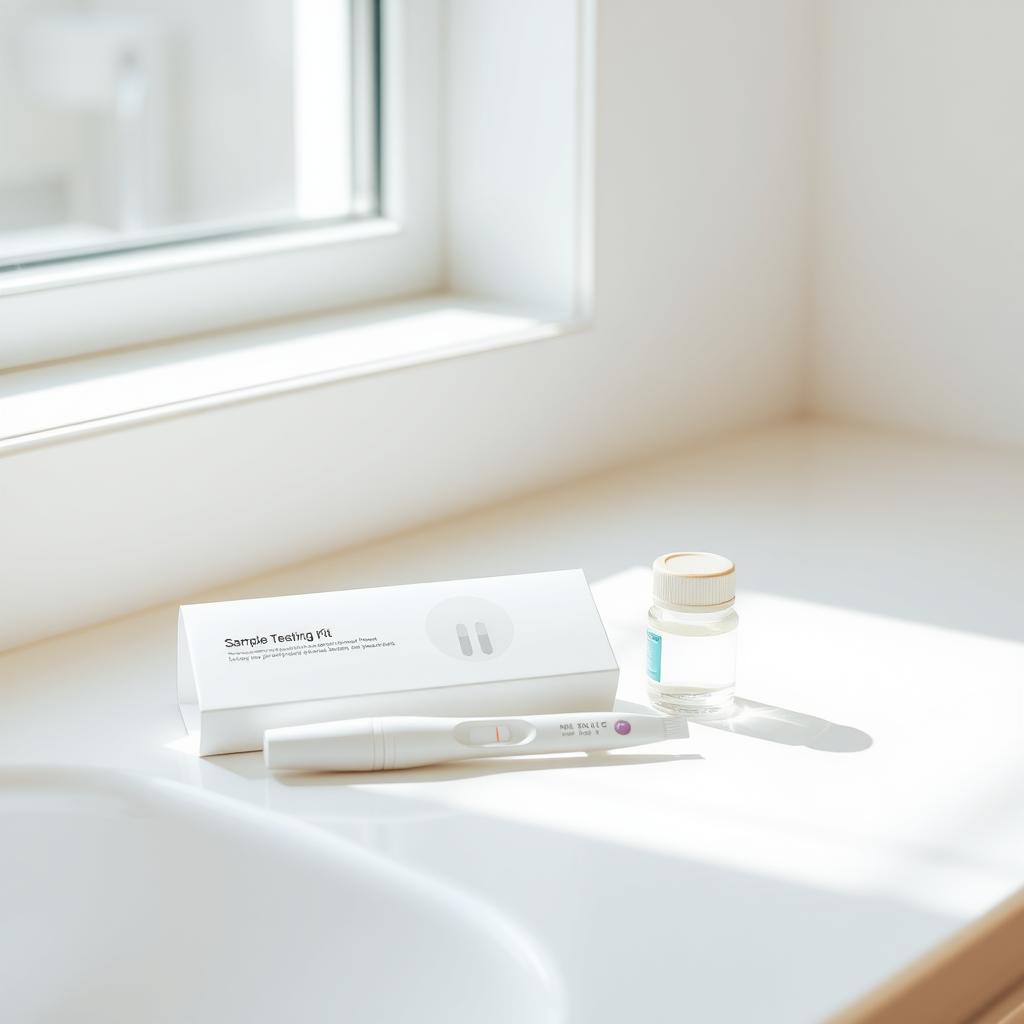
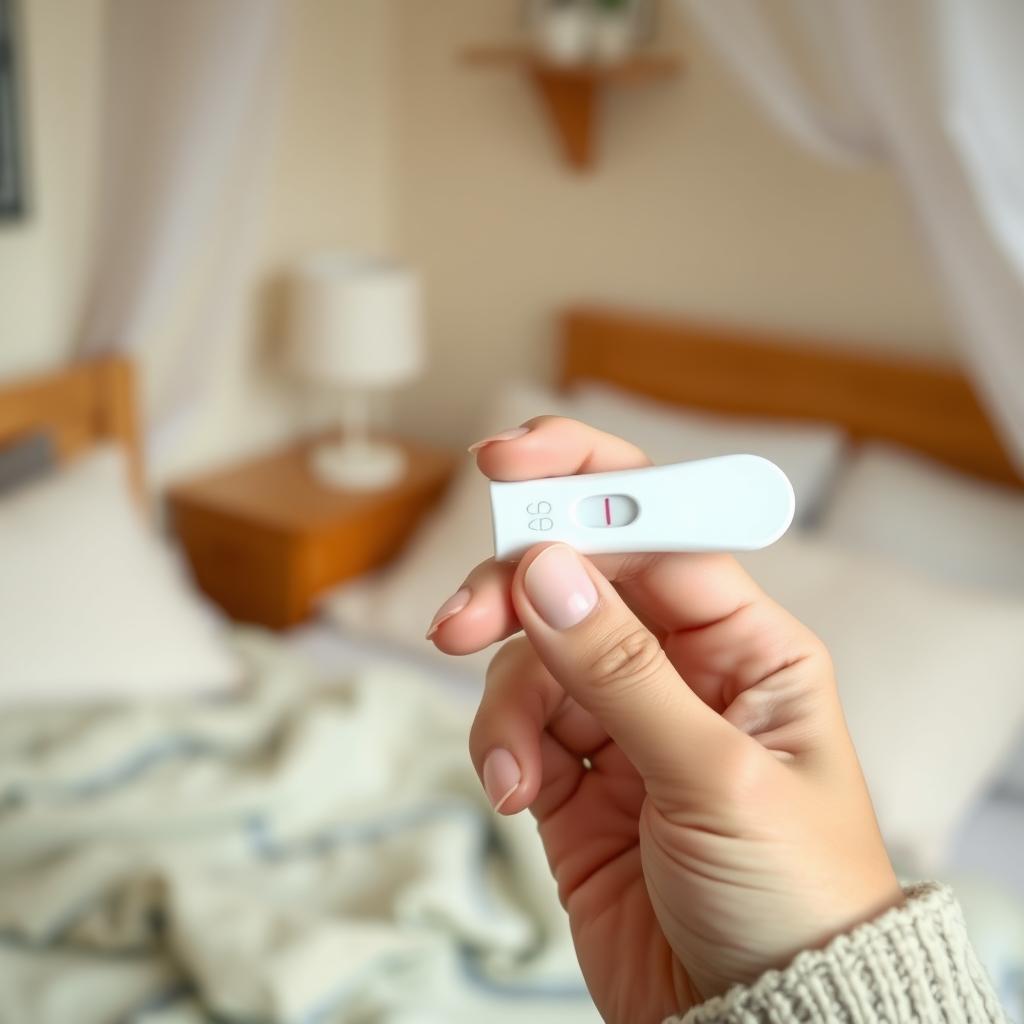
Most kits are straightforward. For OPKs, you urinate on a test strip or into a cup and dip the strip. Results appear in minutes, showing whether an LH surge is present. Hormone level tests often require a finger-prick blood sample, which you mail to a lab. Some kits, like those from Modern Fertility, customize tests based on whether you’re on birth control, measuring hormones like AMH and TSH for a fuller picture.
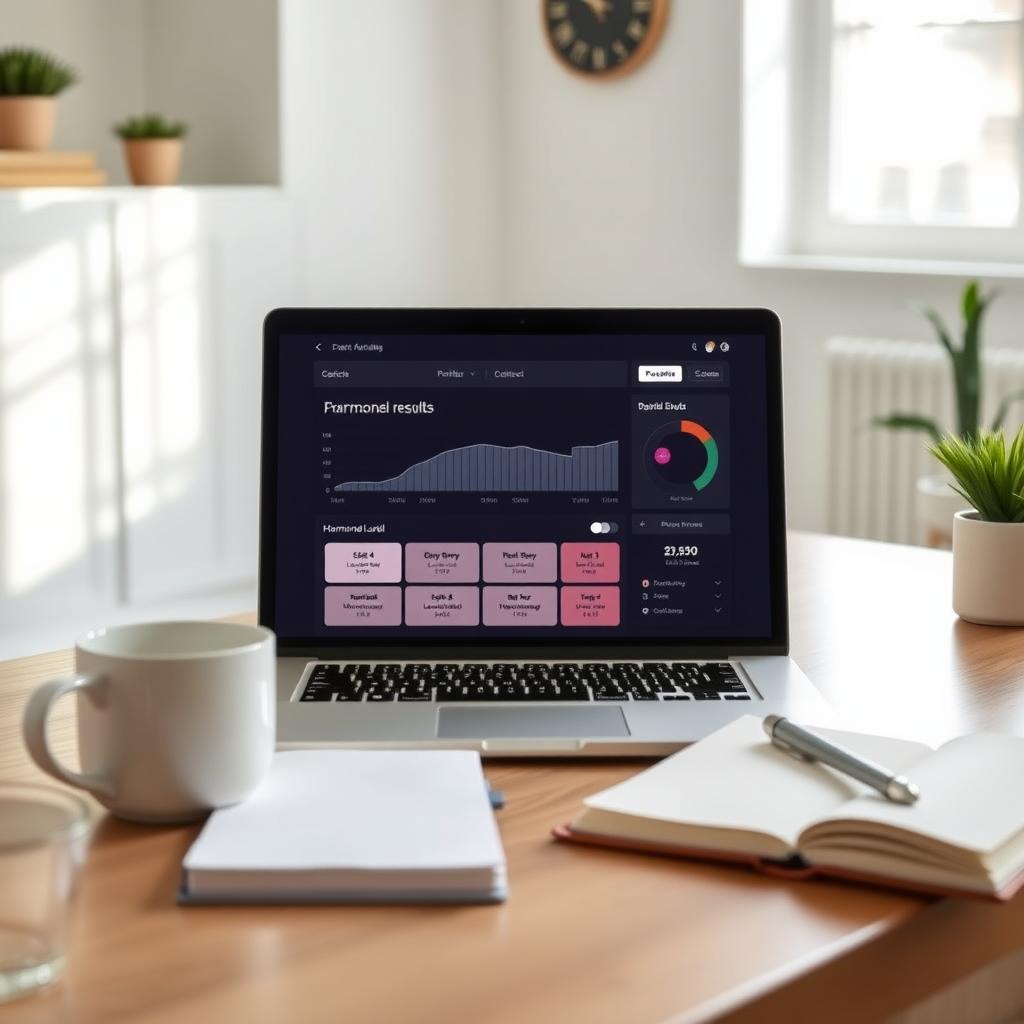
Results typically arrive via an app or online dashboard within days. My cousin used one of these kits and loved how the app explained her results in simple terms, though she wished it offered more guidance on next steps. Always follow the instructions carefully—timing and sample collection matter for accuracy.
Benefits of Home Fertility Testing
Why choose a home kit over a fertility clinic visit? Here’s a breakdown:
| Benefit | Details |
|---|---|
| Convenience | Test at home, no appointments needed. |
| Privacy | Avoid the stress of clinical settings. |
| Affordability | Kits cost $10-$250, far less than clinic visits. |
| Early Insights | Flag potential issues before seeing a doctor. |
For women with irregular cycles or those over 35, these kits can be a game-changer. They empower you to take control of your fertility journey, offering data to discuss with a doctor. The American College of Obstetricians and Gynecologists notes that early testing can help identify issues like diminished ovarian reserve, which is critical for timely interventions.
Limitations to Keep in Mind
Home fertility testing kits for women aren’t perfect. They can’t diagnose infertility or assess egg quality, uterine health, or fallopian tube function. A high FSH level might suggest low ovarian reserve, but only a fertility clinic can confirm this with ultrasounds or further tests. I’ve spoken with women who felt frustrated when their kit results were vague, leaving them unsure of what to do next.
Accuracy varies too. OPKs are 90-99% reliable for detecting LH surges, but hormone level tests depend on proper sample collection and lab quality. Always check for CLIA-certified labs, which ensure reliable results. If your results raise concerns, don’t panic—consult a reproductive endocrinologist for a full evaluation.
Top Home Fertility Testing Kits in 2025
Here are some top-rated kits based on ease of use, accuracy, and comprehensiveness:
- Ro Modern Fertility Hormone Test ($179)
- Tests AMH, FSH, TSH, estradiol, and more.
- Customizes for birth control users.
- Results in 7-10 days via app.
-
Why it stands out: Comprehensive and physician-reviewed.
-
Proov Complete Testing System ($89)
- Measures FSH, LH, E1G, and PdG (progesterone marker).
- Urine-based, same-day results.
-
Why it stands out: Budget-friendly and thorough.
-
LetsGetChecked Female Hormone Test ($129)
- Tests FSH, LH, prolactin, and estradiol.
- Finger-prick blood sample, lab results in days.
-
Why it stands out: CLIA-certified labs ensure accuracy.
-
Mira Starter Kit ($199)
- Tracks LH and estrogen for ovulation and PCOS monitoring.
- Reusable analyzer with app integration.
- Why it stands out: Ideal for ongoing cycle tracking.
These kits were chosen based on user reviews, expert input, and lab reliability. Prices vary, so consider your budget and testing needs.
Who Should Use These Kits?
Home fertility testing is ideal for:
- Women planning to conceive soon, especially those with irregular cycles.
- Women over 35, as fertility declines with age.
- Those curious about their reproductive health before starting a family.
- Couples who’ve been trying to conceive for 6-12 months without success.
If you have a history of PCOS, endometriosis, or multiple miscarriages, a kit can provide initial data, but a fertility clinic visit is crucial for a complete picture. A colleague of mine used a kit to monitor her cycles after a miscarriage, which helped her feel proactive while awaiting specialist advice.
Tips for Choosing the Right Kit
With so many options, here’s how to pick the best one:
- Define Your Goal: Are you tracking ovulation or assessing ovarian reserve? OPKs are great for timing conception, while hormone tests offer broader insights.
- Check Certifications: Look for CLIA-certified labs to ensure reliable results.
- Read Reviews: User feedback on ease of use and customer support can guide your choice.
- Consider Follow-Up: Some kits, like Modern Fertility, offer nurse consultations or community support.
Before buying, talk to your partner or a trusted friend about your goals. It can make the process feel less overwhelming. Also, check if your insurance or HSA/FSA covers the cost—some kits qualify for reimbursement.
When to Visit a Fertility Clinic
Home tests are a starting point, but they don’t replace professional care. If your results show high FSH, low AMH, or irregular ovulation, or if you’ve been trying to conceive for over a year (or 6 months if over 35), it’s time to see a specialist. The Resolve: The National Infertility Association offers resources to find reputable clinics.
A fertility clinic can provide advanced tests like ultrasounds or semen analysis for your partner. My sister-in-law learned she had a thyroid issue affecting her fertility through a clinic, something no home test could catch. Don’t delay seeking help if you’re concerned.
Summary
Home fertility testing kits for women are a powerful tool to kickstart your fertility journey. They offer convenience, privacy, and early insights, but they’re not a full replacement for a fertility clinic. By choosing the right kit and understanding its limitations, you can take charge of your reproductive health with confidence. Whether you’re planning to conceive now or later, these kits empower you to make informed decisions.