Exercise and Reproductive Health: Boosting Fertility Naturally
Aug. 17, 2025, 6:37 a.m.
Overview
Exercise is more than just a way to stay fit—it’s a powerful tool for improving reproductive health. For women trying to conceive, regular physical activity can balance hormones, reduce stress, and enhance fertility naturally. This article explores the connection between exercise and reproductive health, offering actionable insights to support your fertility journey.
Why Exercise Matters for Reproductive Health
When I started my fertility journey, I was overwhelmed by conflicting advice. One thing stood out: exercise could make a difference. Physical activity influences reproductive health by regulating hormones, improving blood flow, and reducing stress—key factors in fertility. For women, maintaining a healthy weight through exercise can improve ovulation and increase the chances of conception.
Studies show that moderate exercise, like brisk walking or yoga, can enhance fertility by stabilizing insulin levels and reducing inflammation. Too much or too little exercise, however, can disrupt hormonal balance. Finding the right balance is key to supporting reproductive health.

How Exercise Improves Fertility Naturally
Exercise can be a game-changer for women looking to boost fertility naturally. Regular movement helps regulate menstrual cycles, which is crucial for ovulation. For women with irregular cycles, moderate exercise can stimulate the release of hormones like estrogen and progesterone, which support ovulation.
Here’s how exercise helps:
- Hormonal Balance: Physical activity reduces cortisol (stress hormone) levels, which can interfere with reproductive hormones.
- Weight Management: Maintaining a healthy BMI (18.5–24.9) supports regular ovulation. Both underweight and overweight conditions can lead to ovulation disorders.
- Improved Blood Flow: Exercise enhances circulation to reproductive organs, supporting egg quality and uterine health.
- Stress Reduction: Activities like yoga or swimming lower stress, which can otherwise disrupt ovulation.
When I incorporated daily walks and yoga into my routine, I noticed my cycles became more regular. It wasn’t instant, but over a few months, I felt more in tune with my body.
Symptoms of Ovulation Disorders in Women
Ovulation disorders are a common cause of female infertility, affecting up to 25% of women struggling to conceive. Recognizing the symptoms early can help you take action, including using exercise to support reproductive health.
Common symptoms of ovulation disorders include:
| Symptom | Description |
|---|---|
| Irregular Periods | Cycles shorter than 21 days or longer than 35 days. |
| Absent Periods | No menstruation for 3+ months (amenorrhea). |
| Heavy or Light Bleeding | Unusually heavy or scant menstrual flow. |
| No Ovulation Signs | Lack of cervical mucus changes or ovulation pain. |
| Hormonal Symptoms | Acne, weight gain, or excessive hair growth (hirsutism). |
If you notice these signs, consult a healthcare provider. Conditions like polycystic ovary syndrome (PCOS) or hypothalamic amenorrhea can cause ovulation disorders. Exercise, combined with medical guidance, can help manage these conditions.
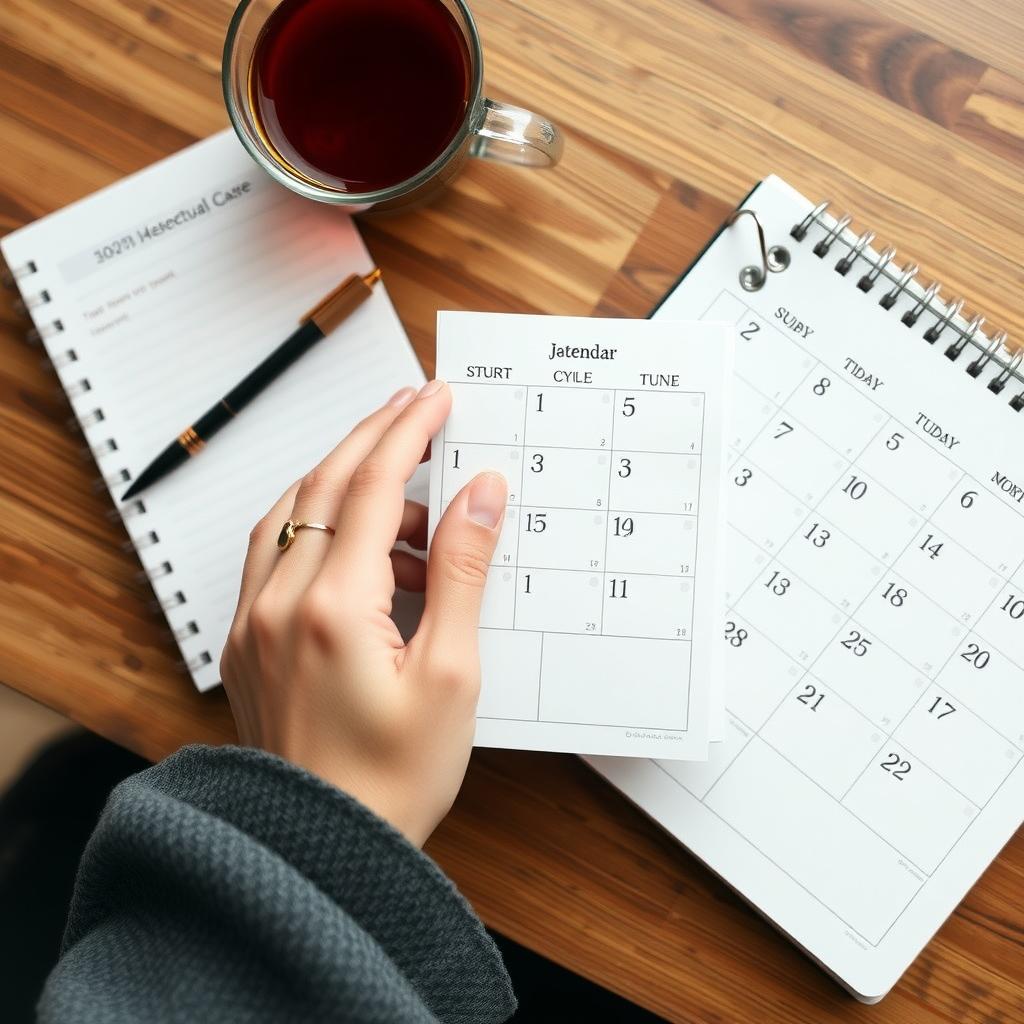
Best Exercises for Reproductive Health
Not all exercises are created equal when it comes to fertility. High-intensity workouts, like marathon running, can sometimes disrupt ovulation, especially if overdone. Moderate, low-impact activities are often best for improving fertility naturally.
Here are some fertility-friendly exercises:
- Walking: A 30-minute daily walk improves circulation and reduces stress without overtaxing the body.
- Yoga: Poses like child’s pose or reclining bound angle pose promote relaxation and pelvic blood flow.
- Swimming: Gentle on joints, swimming supports weight management and stress relief.
- Strength Training: Light resistance exercises, like bodyweight squats, build muscle and support insulin regulation.
- Pilates: Core-focused movements enhance pelvic stability and reduce tension.
I found yoga particularly helpful. A weekly class gave me a sense of calm and connection to my body, which felt empowering during a stressful time.
Exercise and Female Infertility: What to Avoid
While exercise is beneficial, overdoing it can harm reproductive health. Intense workouts, like CrossFit or excessive cardio, can increase cortisol levels, disrupting ovulation. Women with a low BMI (below 18.5) from over-exercising may experience amenorrhea, a common cause of female infertility.
Tips to avoid exercise-related fertility issues:
- Limit high-intensity workouts to 3–4 hours per week.
- Ensure adequate calorie intake to support energy needs.
- Listen to your body—fatigue or missed periods are red flags.
- Balance exercise with rest days to allow recovery.
When I dialed back my intense spin classes and focused on gentler activities, my energy levels improved, and my cycles became more predictable.
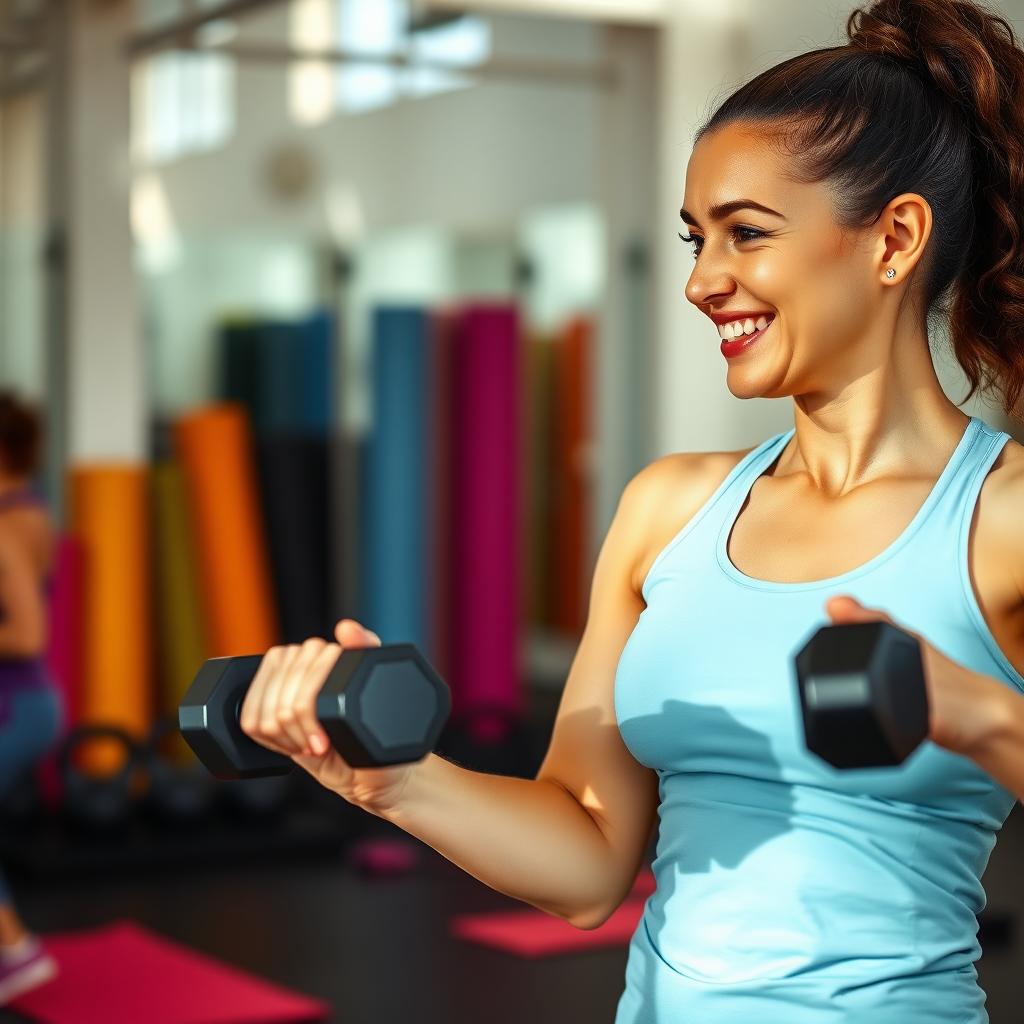
Creating a Fertility-Friendly Exercise Routine
Building an exercise routine for reproductive health doesn’t require a gym membership or fancy equipment. Start small and focus on consistency. Here’s a sample weekly plan:
- Monday: 30-minute brisk walk + 10-minute stretching.
- Tuesday: 20-minute yoga session focusing on pelvic-opening poses.
- Wednesday: 30-minute swim or light cardio.
- Thursday: Rest day with gentle stretching.
- Friday: 20-minute strength training with bodyweight exercises.
- Saturday: 30-minute walk or low-impact dance class.
- Sunday: Rest or light yoga.
Adjust based on your energy levels and schedule. Pair exercise with a balanced diet rich in whole foods to maximize benefits. I found that tracking my workouts alongside my cycle helped me stay consistent without overdoing it.
When to Seek Professional Help
Exercise alone may not resolve all fertility challenges, especially if ovulation disorders or other medical conditions are present. If you’ve been trying to conceive for over a year (or six months if over 35), consult a fertility specialist. Tests can identify issues like PCOS or thyroid imbalances, which may require medical intervention alongside lifestyle changes.
The American College of Obstetricians and Gynecologists (ACOG) recommends combining exercise with stress management and nutrition for optimal reproductive health. Visit ACOG’s website for more resources.
Summary
Exercise is a powerful ally in improving reproductive health and fertility naturally. By choosing moderate, fertility-friendly activities like walking, yoga, or swimming, women can balance hormones, manage weight, and reduce stress. Recognizing symptoms of ovulation disorders and avoiding excessive exercise are crucial steps. With consistency and professional guidance when needed, exercise can pave the way for a healthier fertility journey.