Female Infertility: Causes and Treatments
July 13, 2025, 7:10 a.m.
Infertility affects millions of couples worldwide, often bringing emotional and physical challenges. This article dives into Female Infertility: Causes and Treatments, offering a clear look at why it happens and how it’s addressed. We’ll also explore male factors, unexplained cases, and real stories of hope.
According to the World Health Organization's fact sheet on infertility, about 15% of couples face infertility. Female factors make up 40% of cases, male factors another 40%, and the rest are a mix or unexplained. This shows infertility is a shared journey, needing understanding and support.
Here, we’ll cover the main causes of female infertility, treatment options, and more. Expect practical insights, personal perspectives, and a touch of encouragement for anyone on this path.

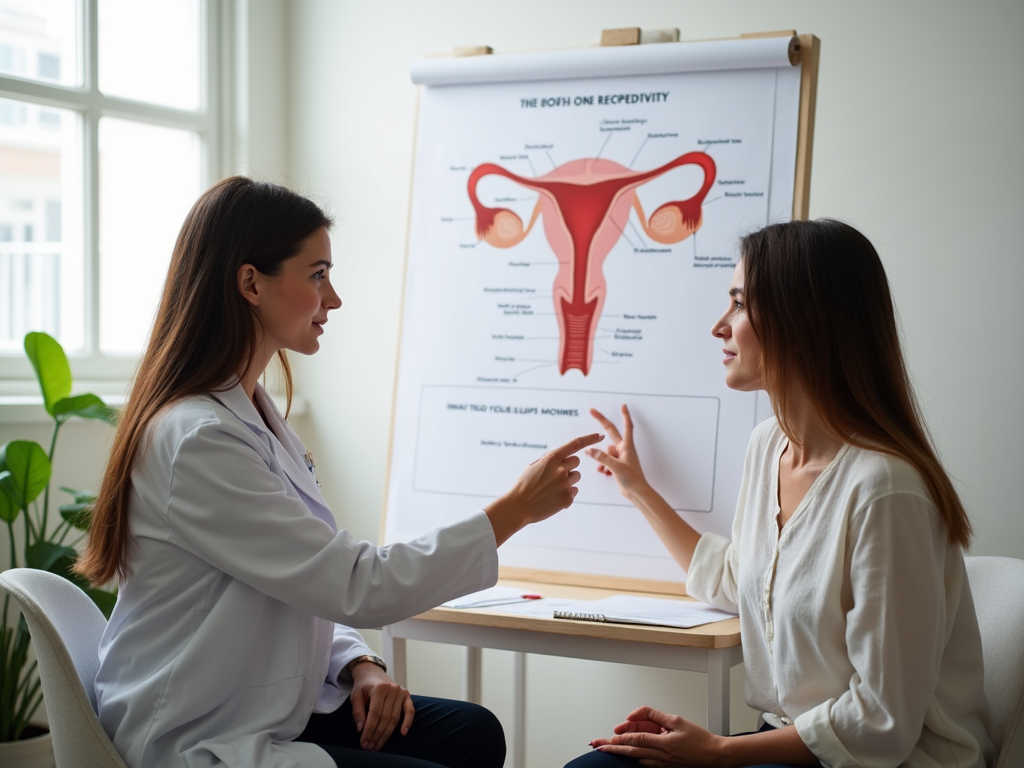
What Causes Female Infertility?
Female infertility has several root causes. Let’s break them down:
- Ovulation Disorders: These stop eggs from releasing properly. For example, polycystic ovary syndrome (PCOS), as explained by the Mayo Clinic messes with hormones and cycles, making ovulation tricky.
- Tubal Issues: Blocked or damaged fallopian tubes block sperm from meeting the egg. Past infections or surgeries can cause this.
- Uterine Problems: Things like fibroids or polyps can mess up implantation. These growths change the womb’s shape or lining.
- Age: Fertility drops as women age. After 35, egg quality and quantity decline, raising miscarriage risks.
Lifestyle—like smoking or stress—can also play a role. A fertility specialist can run tests to pinpoint the issue.
Treatments That Work
Treatments depend on the cause. Here’s what’s out there:
- Medications: Drugs like clomiphene spark ovulation. They’re simple and often the first step.
- Surgery: Fixes like laparoscopy clear blocked tubes or remove fibroids.
- Assisted Reproductive Technologies (ART): In vitro fertilization (IVF) is a big one. Eggs are fertilized in a lab, then placed in the uterus. Check out in vitro fertilization (IVF), visit the CDC's ART page for details.
- Lifestyle Tweaks: Losing weight or cutting stress can boost chances.
Success varies, but many find a path forward with these options.

Unexplained Infertility: The Mystery
Sometimes, no cause shows up after tests. This is unexplained infertility, hitting 10-20% of couples. It’s tough because there’s no clear fix. Doctors might try IVF or insemination anyway. Many still conceive, proving hope isn’t lost.
Male Factor Infertility: Diagnosis and Solutions
Infertility isn’t just a woman’s issue. Male Factor Infertility: Diagnosis and Solutions matter too. Low sperm count or poor movement can be culprits. A semen analysis, as detailed by the National Institute of Child Health and Human Development checks sperm health. Treatments include surgery for blockages or IVF with sperm injection. Couples tackle this together.

The Emotional Side
Infertility hurts. It brings grief, worry, and sometimes distance between partners. The cost of treatments adds stress too. Talking to a counselor or joining a group helps. Sharing with others who get it can lift the weight.
Overcoming Infertility Challenges: Stories of Hope
Real stories inspire. One couple tried IVF for years and got twins—now they share their tale to help others. Another used sperm injection for male issues and welcomed a son. Some adopt, finding joy differently. These show that Overcoming Infertility Challenges: Stories of Hope is possible.

Wrapping Up
Female Infertility: Causes and Treatments covers a lot—hormones, tubes, age, and more. Treatments like IVF or surgery offer solutions, even for unexplained infertility and male factors. Emotions run high, but hope shines through stories of success. You’re not alone. Keep exploring options and leaning on support.
Want to dig deeper? Check out the readings below.