In Vitro Fertilization and Genetic Testing: A Comprehensive Guide
Aug. 6, 2025, 5:21 p.m.
In vitro fertilization (IVF) is a fertility treatment that helps people with infertility have children by fertilizing an egg outside the body. Genetic testing often pairs with IVF to screen for genetic disorders, offering hope and healthier outcomes. This article explores the realities, challenges, and insights of both.

The emotional rollercoaster of IVF can be overwhelming. Many experience hope and excitement with each treatment cycle, but disappointment is often just around the corner. The physical toll of hormone injections, clinic visits, and the IVF procedure itself can add to an already stressful situation. Not to mention, the financial burden of IVF can weigh heavily on couples—it’s important to be prepared for these challenges.
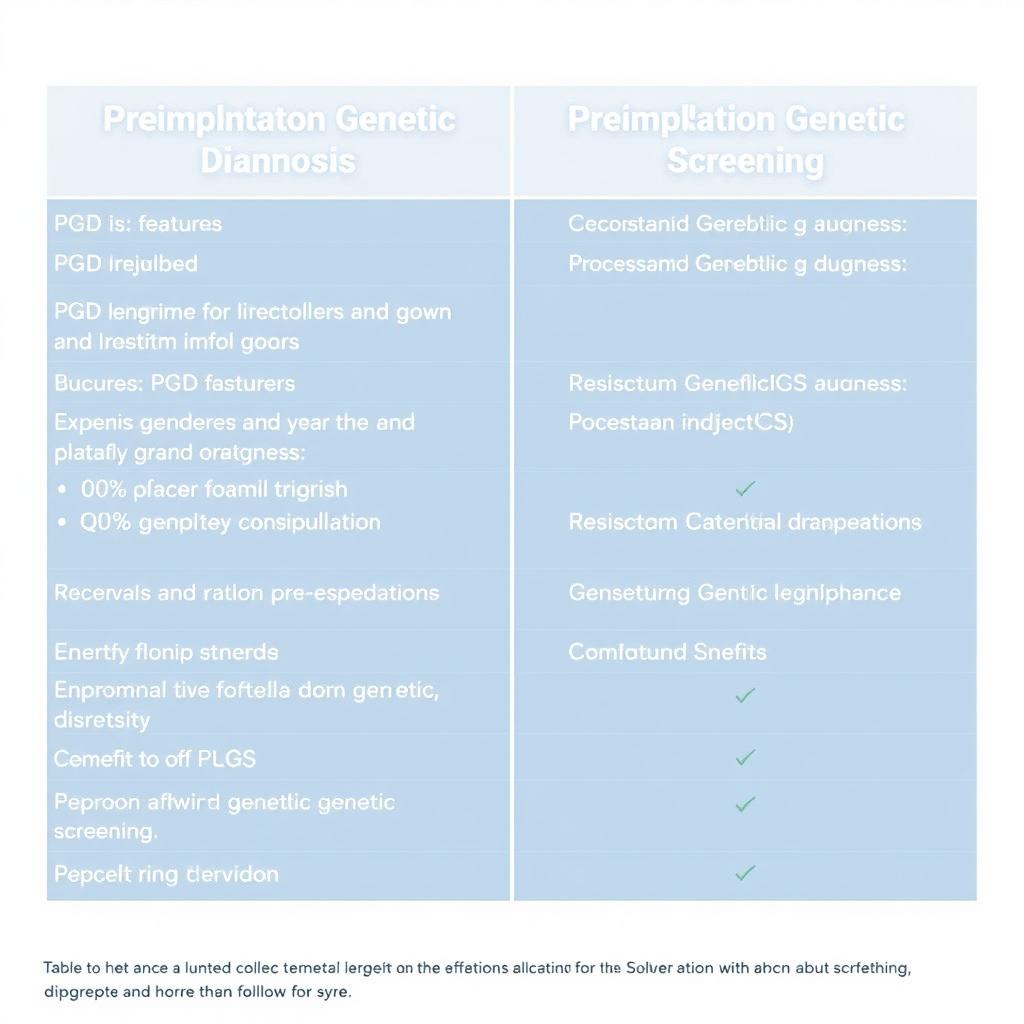
Genetic testing plays a crucial role in the IVF process. Two common types are preimplantation genetic diagnosis (PGD) and preimplantation genetic screening (PGS). PGD tests embryos for specific genetic disorders that are known to run in families, while PGS checks for chromosomal abnormalities that can lead to miscarriages or genetic disorders. Understanding these options can help couples make informed decisions.

It's vital for those considering IVF and genetic testing to have a strong support system. Whether it's through friends, family, or support groups, sharing experiences can relieve some of the emotional burden. Additionally, consulting authoritative sources, like the American Society for Reproductive Medicine (ASRM) and the National Institutes of Health (NIH), can provide the latest information and advancements in treatment.
As we summarize the journey through IVF and genetic testing, it is clear that while the process can be daunting, understanding the steps involved and preparing adequately can foster confidence. From emotional support to financial planning, every aspect plays a role in navigating this intricate path.

In vitro fertilization and genetic testing offer hope to those facing infertility, but the journey is complex. From the emotional highs and lows to the physical and financial challenges, it's a path that requires resilience and support. Genetic testing can provide peace of mind by reducing the risk of genetic disorders, but it's important to approach it with realistic expectations.
For more information, explore the recommended readings below. They offer deeper insights into the emotional, financial, and medical aspects of IVF and genetic testing.
Recommended Readings: Understanding the Emotional Impact of IVF, Genetic Testing: What You Need to Know, Financial Planning for Fertility Treatments, Preparing Your Body for IVF Success, and The Science Behind Genetic Screening.